672 protein recipes
 Recipe NOT List™ - disabled
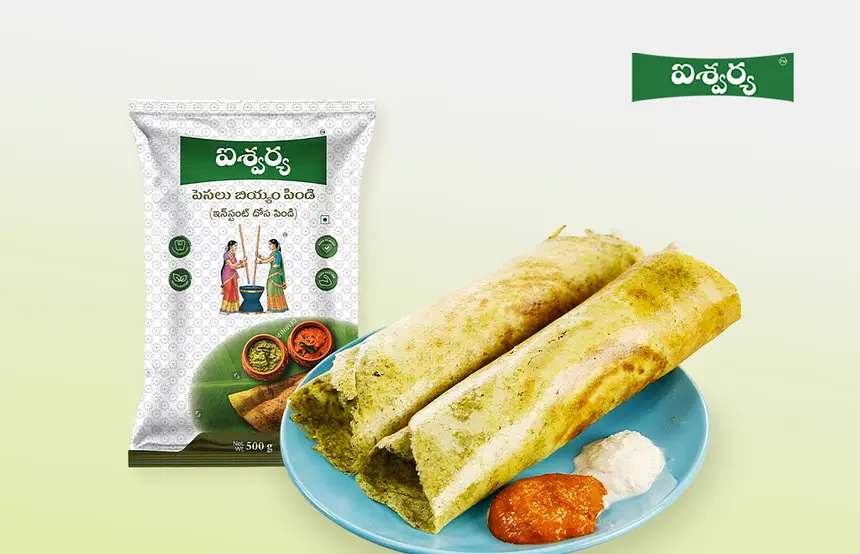
Instead of adai dosa, the Andhra classic Pesarattu (green gram dosa) pairs beautifully with hand-pound rice. It is light, protein-rich, and a filling breakfast that is also considered one of the best nutrient-rich foods in Andhra homes.
A super-healthy take on the original German classic - guilt free! Made with antioxidant-rich raw cacao, healthy coconut oil and cacao butter, high-protein mesquite powder, and filled with juicy wolfberries, vitamin E-rich almonds, and other delicious toppings of your choice.
As promised, here is another easy & healthy breakfast idea that can be done in 15-20 min. It's high in protein, low in fat, and a great breakfast when you're on the go! This would also double as a lunch as well!
Use this stock as a base for mushroom soup or a mushroom sauce. For the latter, deglaze the pan with some of the stock after sautéing the protein. Then add sautéed mushrooms and either reduce the fluid or add flour to make a gravy.
Quinoa has been called the supergrain of the future because of its complete protein profile and nutrient density. It contains almost twice as much fiber as most other grains, and is rich in magnesium, iron and vitamin B2, which improves energy metabolism within brain and muscle cells.

Wolfberries are some of the most nutritionally dense superfoods on earth and have been used for thousands of years in Chinese and Tibetan medicine. They contain all the essential amino acids, making them complete proteins. They also have very high concentrations of vitamin C and 21 trace minerals necessary for health.
If you cannot find fresh peaches, use frozen ones (they will further thicken the smoothie). Peaches were first cultivated in China where they are considered a symbol of immortality and friendship. Nutritionally, they are a good source of selenium and vitamins A and C. Chia seeds are not only a complete protein, but supply the much needed omega-3 fatty acids missing from so many modern diets.
Loaded with healthy protein from chicken and egg and anti-inflammatory herbs such as coriander and ginger, this is a great way to start the day. Although traditionally made by cooking grain in the soup until it becomes mushy, consider cooking grains separately to retain their texture and nutrients. Also swap white rice for brown rice or quinoa, or even barley to boost the nutrition profile of the soup.
Containing a wealth of vitamins C, A, and K, as well as calcium, magnesium, potassium, manganese, and iron, bok choy is a very nutritionally dense vegetable. Vitamin A, for instance, is essential for a properly functioning immune system, while vitamin C is an antioxidant that shields the body from free radicals. Bok choy supplies potassium for healthy muscle and nerve function, and vitamin B6 for carbohydrate, fat, and protein metabolism.
It's important to note that reducing belly fat in just one week is not a realistic or healthy goal. Sustainable and healthy weight loss typically occurs at a rate of 1-2 pounds per week. That being said, there are some steps you can take to start making progress towards reducing belly fat: Cut back on processed foods and added sugars: Foods high in added sugars and processed ingredients are often high in calories and contribute to weight gain, including belly fat. Focus on eating whole foods and try to limit your intake of sugary drinks, desserts, and snacks. Eat more protein and fiber: Eating protein and fiber can help you feel fuller for longer, which may help you eat fewer calories overall. Good sources of protein include lean meats, fish, eggs, and plant-based sources such as beans, lentils, and tofu. Good sources of fiber include whole grains, fruits, vegetables, legumes, and nuts. Stay hydrated: Drinking plenty of water can help you stay hydrated and may help you eat less. Aim for at least 8 glasses of water per day. Engage in physical activity: Cardiovascular exercise, strength training, and high-intensity interval training can all help you burn calories and reduce body fat, including belly fat. Aim to be active for at least 30 minutes per day. Reduce stress: Stress can lead to an increase in the hormone cortisol, which is associated with belly fat. Reducing stress through techniques such as meditation, yoga, or deep breathing exercises can help you manage cortisol levels and reduce belly fat.
I originally learned this recipe that I learned from my good friend of mine from San Juan. She taught me to make beans and rice like the natives do it. Of course over the years I’ve adapted it to make it my own. The biggest benefit of this recipe is that it is high protein and high fiber. Using brown rice instead of white rice decreases the glycemic index slightly as well. I hope you enjoy!
This smoothie packs a real superfood punch with a combination of wolfberries, hemp seeds, chia seeds, maca and spirulina. Wolfberries, hemp seeds, chia seeds and spirulina are all complete proteins. In addition, chia seeds and hemp seeds are rich sources of omega-3 fatty acids. Maca is a great hormone regulator and has traditionally been used to enhance fertility. Spirulina is one of nature's wonder foods and its GLA content (gamma linolenic acid, an important fatty acid) is second only to mother's milk.
Eggs are high in protein and contain all the essential amino acids needed for growth and repair. In addition, they contain vitamin A, omega-3 fatty acids and vitamin E. However, not all eggs are created equal: tests have confirmed that free range eggs (from hens that were allowed to roam free and were not kept in cages) are nutritionally superior and much less likely to be contaminated with disease-causing bacteria such as salmonella. They also taste better, so whenever possible always choose free range eggs.

Bircher muesli was first developed by a Swiss physician, Maximilian Bircher-Benner as part of the therapy he prescribed for his patients. Often called simply ‘overnight oats’ Bircher muesli is an ideal breakfast food – it can be assembled the night before, left in the fridge overnight and enjoyed in the morning – there is no cooking required. It's also a perfect combination of plant-based protein, slow-release wholegrain carbohydrates, and essential fats. The version below calls for pears and coconut, but alternative combinations are provided in the notes.
Paneer is a fresh cheese with plenty of texture and protein. In this traditional northern Indian dish, Paneer is combined with green peas in a spicy tomato-ginger sauce. Fresh Paneer is quite crumbly, so it is generally cut into cubes and sauteed until golden before combining with other ingredients. For variety, try adding some finely minced fresh cilantro and a little freshly ground black pepper to the mixture before cubing and frying. If you do have any left over, serve it warm in whole wheat pita bread topped with sliced tomaotes and crunchy red onions.

The health benefits of green papaya exceed those of the ripe variety. Raw green papaya is packed with vitamins, enzymes and phytonutrients. It contains vital nutrients including potassium, magnesium, and vitamins A, C, E and B. However, perhaps the most important health property of green papaya is its ability to improve digestion and the uptake of nutrients, raising enzyme levels and improving assimilation, and thus also strengthening the immune system. Green papaya contains two of the most powerful plant proteolytic enzymes: papain and chymopapain. These enzymes excel at breaking down proteins, fats and carbohydrates, as well as aiding healthy digestion. Papain can only be found in the papaya fruit and is more effective than pepsin produced by our own stomachs.
Showing 657 - 672 of 672 recipes