What Are Sorrel leaves and How Can I Use Them?
Wondering what to do with sorrel leaves? This guide covers how to pick them, cook them, store them, and swap them, plus 22 recipes to put them to work.
Key Points
- Leafy green herb with a sharp lemony tartness from oxalic acid, like an edible squeeze of lemon.
- Melts to a soft puree in under a minute; the brown-green color is normal, not spoilage.
- Classic in sorrel soup and as a sauce for rich, oily fish like salmon.
- Cook it in stainless or enameled pots; bare aluminum or cast iron turns it gray and metallic.
- No exact substitute; spinach plus lemon juice fakes the body and the acidity.
What are sorrel leaves?
Sorrel is a leafy green herb with a sharp, lemony, almost sour tang that sets it apart from every other green on the produce shelf. The arrow-shaped leaves look a lot like young spinach, but one bite tells you they're something else entirely.
That tartness comes from oxalic acid, the same compound in rhubarb, and it's the whole reason cooks reach for the plant. Sorrel brings built-in acidity, so it can do the job lemon usually does, but as a leaf rather than a squeeze of juice.
Two kinds turn up in kitchens. Common garden or broadleaf sorrel has large, mild leaves, while French sorrel is smaller, more shield-shaped, and the finer-flavored of the two. This is the cooking green and has nothing to do with the red hibiscus drink also called sorrel in the Caribbean.
Cooking With Sorrel
The signature trick is that sorrel melts. Add the leaves to a hot pan and they collapse in under a minute into a soft, khaki-green puree, much faster than spinach.
That brown-green color is normal. The acid simply dulls the bright green, and it's no sign the sorrel has gone off.
Soup is the classic home. A sorrel soup, often thickened with potato and finished with cream or egg yolk, turns the herb's tartness into something silky and comforting. Sorrel Soup (Irish), Potato-Sorrel Soup, and Cream Sorrel Soup all run that route, and the cream tempers the bite.
Sorrel and fish are a marriage. The leaf's acidity cuts through rich, oily fish exactly the way a lemon wedge would, which is why Sunshine Poached Fish with Sorrel and Spaghetti with Salmon & Sorrel (Or Spinach) lean on it as a sauce.
It also wilts into eggs beautifully. Sorrel Frittata and Sorrel Omelet fold the melted leaves into a soft, tangy custard.
Raw, young sorrel is a salad green. A few small, tender leaves add a bright, lemony snap to a mixed salad, as in Ojawashkwawegad (Wild Green Salad), and it can be blitzed cold into Fresh Sorrel Mayonnaise.
Pairing and Common Mistakes
Sorrel partners with anything rich or fatty that wants cutting through. Cream, butter, eggs, potato, and oily fish like salmon are its natural foils, and it sits well alongside chives and tarragon and chervil among the herbs.
There's one real piece of cookware advice: avoid reactive pots. Sorrel's acid reacts with bare aluminum and cast iron, picking up a metallic taste and an unappealing gray tint, so cook it in stainless steel or enameled pots.
The biggest mistake is overdoing it. Sorrel is potent, and a big handful can turn a dish aggressively sour, so start with less than you think and taste as you go.
People also overcook it, though since it's almost always cooked just to wilting, the bigger risk is simply using too much.
Substitutes
There's no clean swap for sorrel's specific lemon-tartness, but you can fake it. Use spinach for the body and color, then add lemon juice to bring the acid: about a tablespoon of juice per few cups of spinach gets you close.
Other tart greens come nearer in spirit. Young dandelion greens or watercress or arugula bring their own bite, and a handful of these mixed with a squeeze of lemon makes a passable stand-in for raw sorrel in a salad.
For a sauce or soup, baby spinach plus lemon juice (or a little white wine or vinegar) is the most reliable route. Add the acid at the end and adjust to taste, since you're rebuilding the sourness sorrel would have supplied on its own.
Buying and Storing
Sorrel is rarely in supermarkets; look for it at farmers markets in spring and early summer, or grow your own, since it's a hardy perennial that comes back every year. Choose crisp, bright leaves with no yellowing or wilting, and pick the smallest, youngest leaves for the best flavor.
Sorrel is delicate and doesn't keep long. Wrap the leaves loosely in a damp paper towel, slip them into a bag, and refrigerate, where they stay good for only two or three days before going limp.
For longer storage, sorrel freezes well as a puree. Wilt the leaves in a dry or lightly buttered pan, let them cool, then freeze the puree in small portions, ready to drop straight into a soup or sauce. The texture is already soft, so freezing costs you nothing.
Quick facts
- In Chinese
- 酸模叶子
- British (UK) term
- Sorrel leaves
- en français
- feuilles d'oseille
- en español
- hojas de acedera
Recipes using sorrel leaves
There are 22 recipes that contain this ingredient.
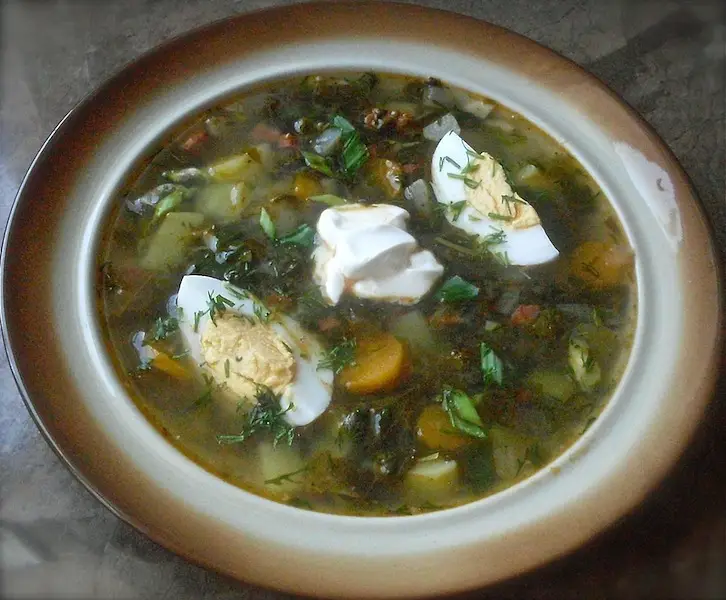
Sorrel Soup with Chorizo


I cook sorrel soup every spring year by year because of the unique sour flavor. I usually make it on the base of long simmered veal bones. This spring the process of cooking was shortened by using Spanish chorizo. No regret.
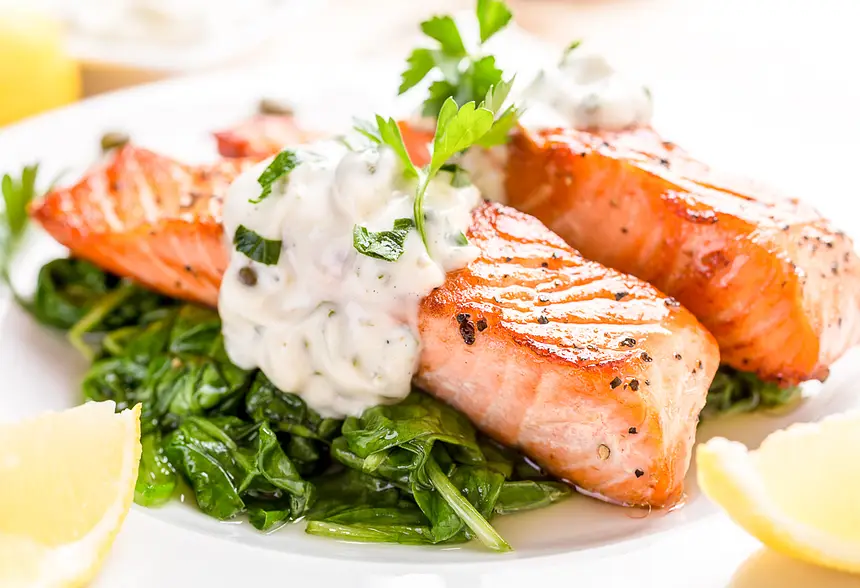

Pumpkin Ravioli (Hazen)
Handmade pumpkin ravioli with a spiced pumpkin-carrot filling, served in a garlic cream sauce with toasted hazelnuts and wilted sorrel. A showpiece fall pasta.

Lobster in Wild Watercress Dressing
Lobster steamed over fresh herbs and white vermouth, served with an emulsified watercress dressing and julienned peppers and tomato. An elegant, garden-fresh seafood platter.

Sorrel & Haricot Soup
Sorrel and haricot bean soup with a lemony, herbaceous flavor from fresh sorrel leaves, blended beans for body, and soy milk for creaminess. Vegan-friendly and deeply savory.
Sorrel Borscht
Sorrel borscht is a chilled Eastern European soup with lemony sorrel leaves, potatoes, dill, and sour cream. A tangy, refreshing cold soup for warm weather.

Wild Green Salad
Wild green salad tossing bittersweet escarole, lemony sorrel, and fresh mint with toasted sunflower seeds in a light herb vinegar dressing. A bright, garden-fresh bowl ready in minutes.

Sorrel & Haricot Soup
Vegan sorrel and haricot bean soup with a bright lemony tang from fresh sorrel leaves sieved into a creamy blended bean base. Finished with soy milk for silky body.

New Potatoes with Salami & Sorrel
Warm new potato salad with thinly sliced salami, fresh sorrel ribbons, and a mustard-coriander seed dressing. A European-style potato salad served while still warm.
Sunshine Poached Fish with Sorrel
White fish poached in fresh orange juice and white wine with shallots, leeks, and sorrel or spinach. A light, elegant dinner for two with a silky citrus sauce, ready in 30 minutes.

Sorrel Omelet
Sorrel omelet with wilted sorrel leaves folded into eggs and finished with a reduced cream sauce poured down the center. A classic French omelet with a bright, lemony tang.

Aunt Eloise's Borscht
Aunt Eloise's borscht simmers ruby beets, potatoes, cabbage, tomatoes and sorrel into a tangy Eastern European soup served hot or cold with a swirl of sour cream.

Spaghetti with Salmon & Sorrel (Or Spinach)
A quick dinner for two: canned salmon, sorrel or spinach ribbons, and broccoli tossed with buttered fresh spaghetti, lemon, and Parmesan. Pantry-friendly elegance in 20 minutes.

Herbed Salmon in Foil
Salmon fillets baked in foil packets with fresh dill, sorrel leaves, shallots, and lime juice. A light, clean method that steams the fish to flaky perfection in under 10 minutes.

Sorrel Soup (Irish)
Hearty Irish sorrel soup simmered for an hour with a full pound of tangy sorrel, thickened with breadcrumbs, and enriched with egg yolks and cream. Pure comfort from the Emerald Isle.

Sauerampfersuppe (Sorrel Soup)
A recipe from grandmother's more thrifty times; rarely encountered today.

Sorrel Soup
Silky sorrel soup with a bright, lemony tang from fresh leaves wilted in butter, pureed with chicken broth, cream, and egg yolks. Serve hot or chilled.
Cream Sorrel Soup
Tangy cream sorrel soup with leeks, potatoes, and fresh herbs, pureed silky smooth. A classic French potager soup with a bright, lemony bite that's ready in 40 minutes.

Potato-Sorrel Soup
Potato sorrel soup with leeks, red potatoes, and creme fraiche. A rustic French-style soup with a bright, lemony tang from fresh sorrel leaves.

Sorrel Frittata
Elegant sorrel frittata with red potatoes and shallots, topped with sour cream and broiled until golden. Lemony sorrel adds a bright, tangy twist to the classic egg dish.
Botvinia (Cold, Green Vegetable Soup with Fish)
Cold green vegetable soup with poached fish. Source: Olga Gorechev, St. Petersburg, Russia

Ojawashkwawegad (Wild Green Salad)
Foraged wild greens meet a sweet maple vinaigrette in this authentic Algonquin salad that brings woods-to-table dining alive with peppery watercress, tangy sorrel, and sunny dandelion flowers.