What Are Matzo crackers and How Can I Use Them?
Matzo crackers is easier to cook with than it looks. Here's how to choose, use, and store them, what to substitute, and 13 recipes to get you started.

Key Points
- Matzo is unleavened flatbread of just flour and water, baked thin, dry and crisp.
- It is the staple of Passover; a kosher-for-Passover batch must bake within eighteen minutes.
- Soak broken sheets and fry with egg for matzo brei; layer whole sheets like pasta.
- Matzo crackers are not matzo meal: grind crackers to a flour for matzo balls and breading.
- Plain sealed sheets last a year; once open they go stale within weeks.
What are matzo crackers?
Matzo is an unleavened flatbread, baked from just flour and water into a thin, crisp, cracker-like sheet. The dough never rises, so the result is dry and brittle with a faintly toasty edge, somewhere between a water cracker and flatbread.
It is the central food of Passover, the Jewish holiday that forbids leavened bread for eight days. To stay kosher for Passover, the whole batch must go from mixing to oven in under eighteen minutes, before any natural fermentation can begin.
The rest of the year it is simply a plain, sturdy cracker, good with butter and cheese or anything else you would pile on toast.
How to Use Matzo
Eaten as is, matzo is a snacking cracker. It carries soft toppings well because it stays rigid: smear it with butter and jam, top it with cream cheese, or use it as the base for tuna salad.
Crumbled or soaked, it becomes an ingredient. The classic is matzo brei, where you soften broken sheets in water or milk, then fry them with beaten egg into a soft scramble, as in Veggie Matzo Brie and the related Matzo Omelet.
Whole sheets also layer like lasagna noodles or pasta in baked dishes. Eggplant Matzo Mina stacks them with filling into a Sephardic pie, and Leek, Potato & Matzo Gratin uses softened sheets between the vegetables.
A quick dip in warm water softens a sheet in seconds, so do it just before assembling or it turns to mush.
Cooking and Pairing
Matzo is a blank canvas, so it leans on whatever it carries. It pairs naturally with eggs, smoked fish, sharp onions and aged cheese, which is why Sauteed Smoked Salmon, Eggs & Onions with Matzo works so well.
Sweet treatments suit it too, from cinnamon sugar to the layered Apple Pie with Matzos.
The single most useful thing to know: matzo crackers are not matzo meal. Meal is matzo ground to a flour, and it is what binds matzo balls and breading, not the whole cracker.
A soup like Spring Vegetable Soup with Matzo Balls needs the meal, so grinding your own crackers in a food processor is the fix if you only have sheets.
The common mistake in baked dishes is oversoaking. Matzo absorbs liquid fast and goes gluey, so dip briefly and let the dish itself finish the softening in the oven.
Substitutes
For snacking, any plain unsalted cracker stands in: water crackers, cream crackers, or a crisp flatbread all give the same neutral crunch.
For matzo brei or a baked layer, a stale flour tortilla or even sturdy white bread can mimic the soak-and-fry texture, though neither has that toasty matzo flavor. Lasagna sheets work in a mina or gratin in a pinch.
For a Passover dish specifically, there is no real swap, since the whole point is that nothing leavened is allowed. Ground matzo meal or matzo cake meal covers the baking and binding jobs.
Buying and Storing
Boxes of plain matzo sit on the shelf year-round at most supermarkets and turn up in big stacks before Passover. Look for plainness on the label: egg matzo and flavored versions are not kosher for Passover, while whole wheat or spelt change the texture.
Unopened, the dry sheets keep for a year or more, since there is no fat or moisture to spoil. Heat and humidity are the enemies, not time.
Once the box is open, the crackers go stale and soft within a few weeks as they pull moisture from the air. Keep them in a sealed bag or tin, and crisp limp sheets back up with a few minutes in a low oven.
Store them flat. The thin sheets shatter easily, and a box of broken shards is still fine for matzo brei or meal, just not for topping.
Quick facts
Where to find matzo crackers: Matzo crackers are usually found in the baking supplies section or aisle of the grocery store or supermarket.
- In Chinese
- 马佐饼干
- British (UK) term
- Matzo crackers
- en français
- craquelins de pain azyme
- en español
- galletas de matzá
Recipes using matzo crackers
There are 13 recipes that contain this ingredient.
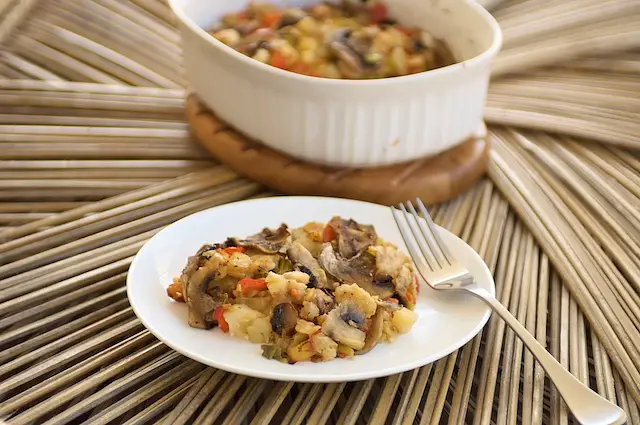
Leek, Potato & Matzo Gratin


Leek potato and matzo gratin baked with mushrooms, red pepper, and soy milk for a dairy-free Passover casserole. Golden on top, creamy inside, ready in about an hour.
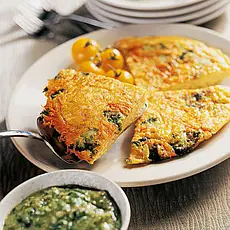

Hammin Di Pesach
Hammin di Pesach is a traditional Passover lamb stew with chicken meatballs, spinach, and matzo served as a two-course meal. Braised lamb chops and tiny seasoned chicken dumplings simmer together, then split into a main dish and a matzo soup.
Stuffed Fritters
Matzoh fritters stuffed with currants, almonds, and dried apricots, lightened with folded egg whites and fried golden. A Passover-friendly treat with bright lemon flavor.
Turkey Breast Pie for Passover
An Italian-Jewish Passover pie with seasoned turkey breast, pine nuts, and broth-soaked matzo bound with eggs and baked with egg yolks nestled on top. Fragrant with sage, rosemary, and nutmeg, this kosher holiday main is truly special.
Leek & Potato Gratin
Leek and potato gratin made with soaked matzo, sauteed leeks, red pepper, evaporated milk, and mozzarella cheese. A Passover-friendly baked casserole with a golden top.
Spring Vegetable Soup with Matzo Balls
Spring vegetable soup with matzo balls: a vegetarian Passover-friendly soup brimming with carrots, potatoes, cauliflower, and tender peas, finished with fluffy matzo dumplings and fresh dill.

Matzo Omelet
Soft, custardy matzo omelet soaked in hot water and pan-fried until golden. Classic Passover breakfast that's fluffy inside with crispy edges, perfect with jelly or sour cream.
Eggplant Matzo Mina
Eggplant matzo mina layers broiled eggplant, softened matzo, homemade tomato sauce, and soy mozzarella into a Passover-friendly vegetarian casserole baked until bubbly.
Apple Pie with Matzos
Traditional Passover apple pie made with matzo meal crust instead of flour. Unique dough from soaked matzos, hard-boiled egg yolks, and butter.

Sauteed Smoked Salmon, Eggs & Onions with Matzo
This passover dish is made with lots of flavorful ingredients. Quick and easy to enjoy this delicious dish at Passover.

Passover Stuffing with Chestnuts & Mushroom
Passover stuffing with chestnuts and mushrooms uses softened matzoh in place of bread, bound with egg and folded with sauteed onion, celery, earthy mushrooms, sweet chestnuts, and fresh herbs. Kosher-for-Passover holiday comfort.

Passover Stuffing with Chestnuts & Mushrooms
Passover stuffing made with soaked matzo, chestnuts, mushrooms, and fresh herbs. Kosher for Pesach, rich enough for Thanksgiving, and works as a side or a turkey stuffing.