What Is Lemon curd and How Can I Use It?
Wondering what to do with lemon curd? This guide covers how to pick it, cook it, store it, and swap it, plus 10 recipes to put it to work.
Key Points
- A tart, glossy spread of egg yolks, sugar, lemon juice and zest, and butter.
- Use as tart and cake filling, topping for scones, or folded into whipped cream.
- Cook low and pull near 170°F (77°C); higher heat scrambles the yolks.
- Not the same as cornstarch-thickened lemon pie filling, which is sweeter and less rich.
- Keeps 1 to 2 weeks refrigerated, or freeze up to about 2 months.
What is lemon curd?
Lemon curd is a thick, glossy spread cooked from egg yolks, sugar, fresh lemon juice and zest, then enriched with butter. It sits somewhere between a custard and a jam.
It is tart enough to make you blink and rich enough to coat the back of a spoon. The yolks and butter give it body and a satiny sheen, while the lemon keeps it from ever feeling heavy.
You cook it gently over low heat or a water bath until it thickens, then strain it smooth. Done right it spreads like soft fudge once chilled and holds its shape on a tart. It is the bright counterpoint that keeps a sweet dessert from going flat.
How to Use Lemon Curd
Curd earns its keep as a filling. It is the classic center of a lemon tart, and it goes between cake layers where its acidity cuts through buttercream, as in Lemon Curd-Coconut Cake or a Walnut Spice Cake with Lemon Curd.
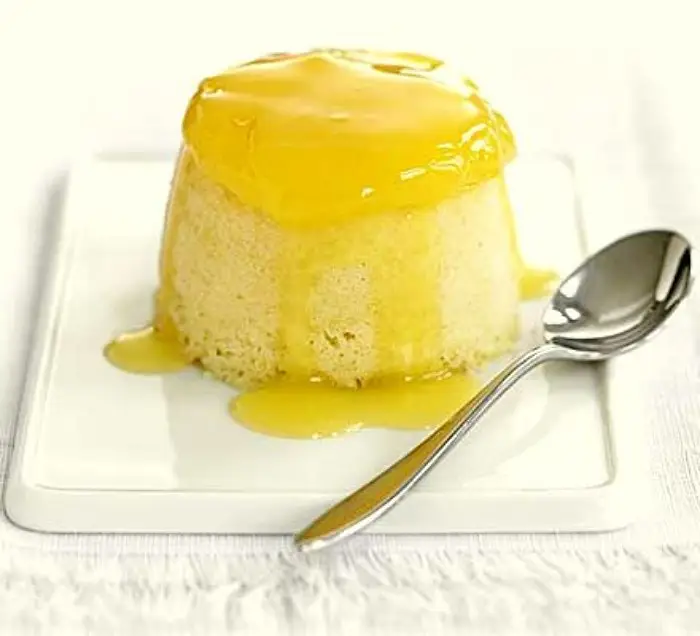
You can also spoon it into baked tartlet shells, swirl it through cheesecake batter, or use it as the surprise pocket inside Mini Lemon Curd Sponge Puddings.
It works just as well as a topping. Spread it on warm scones or over a pavlova, or fold a few spoonfuls into softly whipped cream for an instant lemon mousse.
Lemon Meringue Ice Cream and Lemon Curd Coconut Macaroons both lean on it to carry the citrus.
A quick trick when it sets too firm: stir in a teaspoon of warm water or fresh juice to loosen it back to a spreadable gloss.
Pairing and Common Mistakes
Lemon curd loves anything that softens its edge. Pair it with cream, mascarpone, coconut, or white chocolate, and play its tartness against berries, especially raspberries and strawberries. Vanilla and ginger round it out, which is why it shows up in a Lemon-Ginger Cheesecake.
The mistake that ruins a batch is heat. Push the eggs past about 170°F (77°C) and the yolks scramble, leaving tiny cooked-egg specks and a grainy texture no amount of stirring fixes.
Cook it low over gentle heat while stirring constantly, then pull it the moment it coats a spoon and holds a line when you drag a finger across the back. Straining afterward catches any stray bits of cooked egg and zest.
The other slip is adding the butter too early. Whisk it in off the heat, a little at a time, once the curd is already thick. Stirred in while the mix is still loose, it just thins things out.
Substitutes
For a filling, the closest swap is another fruit curd. Passion fruit, lime, or orange curd all behave the same way, though orange runs noticeably sweeter and less sharp.
Store-bought lemon pie filling is not the same thing, and it is worth knowing why. Pie filling is thickened with cornstarch and runs much sweeter, with little or no egg richness, so it tastes flat and looks cloudy next to real curd.
Use pie filling only when you want a soft, sliceable pie center, never as a spread.
In a pinch, fold lemon zest and a squeeze of juice into thick vanilla pudding or sweetened mascarpone. You lose the true curd texture but keep the bright citrus hit.
Buying and Storing Lemon Curd
Jarred curd lives near the jams. Read the label: the good ones list egg yolks and butter near the top, while cheaper versions lean on cornstarch and vegetable oil and taste duller. A deep yellow color usually means real yolks rather than added coloring.
Homemade curd keeps about 1 to 2 weeks in the fridge in a clean sealed jar. Press a piece of plastic wrap directly onto the surface to stop a skin forming.
It freezes well too, up to about 2 months. Thaw it overnight in the fridge and give it a brisk stir to bring back the gloss.
Once a jar is opened, keep it refrigerated and use a clean spoon every time, since the eggs make it more perishable than jam. If it ever smells sulfurous or shows mold, toss it.
Quick facts
- In Chinese
- 柠檬酱
- British (UK) term
- Lemon curd
- en français
- caillé de citron
- en español
- cuajada de limón
Recipes using lemon curd
There are 10 recipes that contain this ingredient.
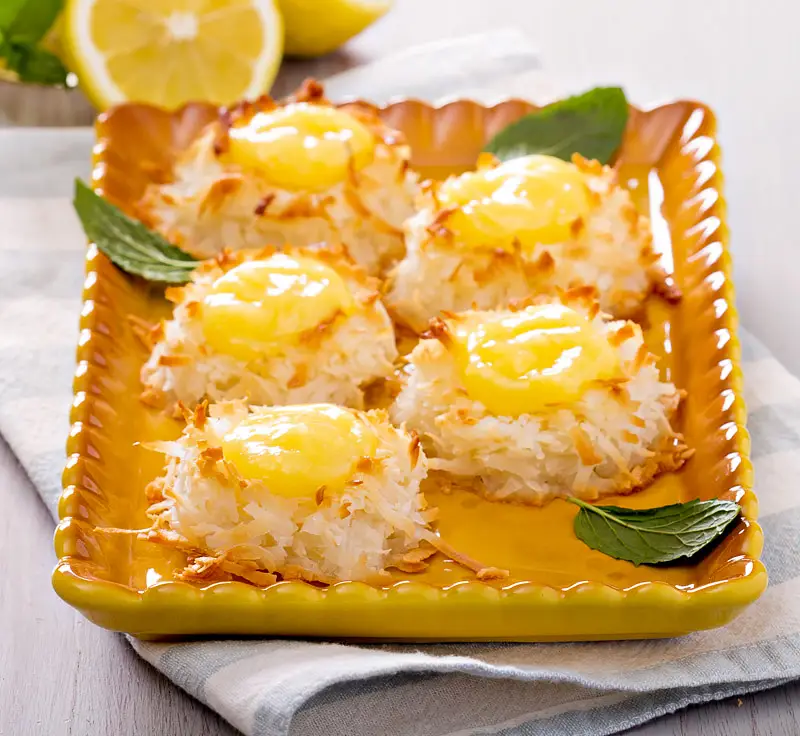
Lemon Curd Coconut Macaroons


Lemon curd coconut macaroons with bright citrus centers spooned into chewy meringue cookies. Five ingredients, no flour, naturally gluten-free.
Lemon Curd Coffee Cake
Lemon curd coffee cake made from a buttery yeast dough rolled with tangy lemon curd filling, sliced into swirls, and baked with a walnut topping. A stunning brunch centerpiece.
Walnut Spice Cake with Lemon Curd
Warmly spiced walnut cake with molasses, honey, ginger, and cinnamon topped with bright lemon curd. A cozy, one-pan dessert with bold flavor and a citrus zing.
Lemon Curd-Coconut Cake
Two-layer white cake filled with lemon curd, covered in fluffy seven-minute frosting, and pressed with shredded coconut. A classic Southern-style coconut cake with a tangy lemon surprise inside.
Lemon-Ginger Cheesecake
No-bake lemon-ginger cheesecake with a gingersnap and vanilla wafer crust, gelatin-set cream cheese filling, and lemon curd swirl. Bright citrus and warm ginger in every slice.
Pistachio Torte
Pistachio torte with 2 cups of finely chopped pistachios and breadcrumbs standing in for flour, lifted with beaten egg whites, and topped with a cup of lemon curd. A proper European-style celebration cake.

Lemon Pound Cake
Lemon pound cake using cake mix and a full cup of lemon curd for intense citrus flavor, studded with walnuts and topped with fresh lemon glaze. Just 5 ingredients.

No-bake Strawberry, White chocolate & Vanilla Cheesecake
A simple soft cheesecake which is light, creamy and perfect for summer! If you’re feeling brave, the strawberry flavour is really brought out by steeping the chopped strawberries in some freshly ground black pepper and balsamic vinegar, before adding them to the cheese mixture.