What Is Custard powder and How Can I Use It?
If custard powder has turned up in a recipe or caught your eye at the store, here's what you need to use it with confidence and how to choose it, cook it, store it, what to substitute, and 9 recipes to try it in.
Key Points
- Custard powder is vanilla-flavored, yellow-tinted cornstarch that makes a smooth eggless custard.
- Bird's classic ratio is about 2 tablespoons powder and 2 tablespoons sugar per pint of milk.
- Always slake it in cold milk first, then whisk into hot milk to avoid lumps.
- Swap with plain cornstarch plus vanilla and a pinch of salt in the same amount.
- It is mostly dry starch, so it keeps well over a year if kept sealed and dry.
What is custard powder?
Custard powder is a flavored starch mix that turns milk and sugar into a smooth, eggless custard with nothing more than a whisk and a hot pan.
The classic is Bird's, invented in 1837 by an English chemist whose wife was allergic to eggs, and the formula has barely changed since.
It is essentially cornstarch tinted yellow and scented with vanilla, with a little salt. There are no eggs in it. The starch does the thickening that yolks would normally do, which makes it hard to wreck: no scrambling, no tempering, no curdling over the stove.
The flavor is a soft, sweet vanilla, more nostalgic than fancy. In Britain and the Commonwealth it is the pourable custard served warm over crumbles and steamed puddings.
How to Use It
For a pourable custard, the classic Bird's ratio is about 2 tablespoons of powder and 2 tablespoons of sugar per 1 pint (2 cups, 475 ml) of milk. Make a slurry with a little cold milk, heat the rest, then stir the slurry in and cook until it thickens.
It thickens as it heats and sets firmer as it cools, so pull it just before it looks done. For a thick, sliceable pastry-cream texture, roughly double the powder.
Beyond a pour-over sauce, the powder is a baking shortcut. It is the yellow custard layer in Nanaimo Bars and Peanut Butter Nanaimo Bars, the tender shortbread crumb in Viennese Fingers, and the gentle vanilla note folded into a Chocolate Banana Custard.
Pairing and Common Mistakes
Custard pairs with almost any dessert that wants a creamy, vanilla counterpoint: stewed apples, rhubarb, berries, sponge cake, and warm spiced puddings. It is the traditional partner for Christmas pudding and fruit crumbles.
The most common mistake is dumping the powder straight into hot milk, which gives you lumps instantly. Always slake it in cold liquid first, then add it to the heat.
The second is walking away. Once the milk is hot the starch sets fast, so whisk constantly through the thickening stage or the bottom scorches and the texture turns grainy. If a skin forms as it cools, press plastic wrap directly onto the surface.
Substitutes
The closest swap is plain cornstarch plus vanilla and a pinch of salt, with a drop of yellow color if you want the look. Use the same amount of cornstarch the recipe calls for in custard powder; the only thing you are adding back is flavor.
Instant vanilla pudding mix works in a pinch but is sweeter and already contains sugar, so cut the recipe's sugar accordingly. Vanilla pudding-and-pie-filling (the cook type) is even closer.
For a richer result, a real egg-yolk custard (creme anglaise) outclasses the powder in flavor, but it takes more care and can curdle. The powder's whole appeal is that it cannot.
Buying and Storing It
You will usually find it as a powder in a tin or box near the baking aisle or the British foods section, Bird's being the standard. Check the label: a few brands sell a "custard powder" that already contains milk powder and only needs water, which behaves differently.
Because it is mostly dry starch, it keeps a long time. Stored sealed in a cool, dry cupboard it stays good well past a year; the main enemy is moisture, which makes it clump.
If the powder has hardened into solid lumps or smells stale, replace it. A few soft clumps that break apart are fine, but rock-hard chunks mean moisture got in and the starch may not thicken cleanly.
Quick facts
- In Chinese
- 吉士粉
- British (UK) term
- Custard powder
- en français
- poudre à crème
- en español
- polvo de flan
Recipes using custard powder
There are 9 recipes that contain this ingredient.
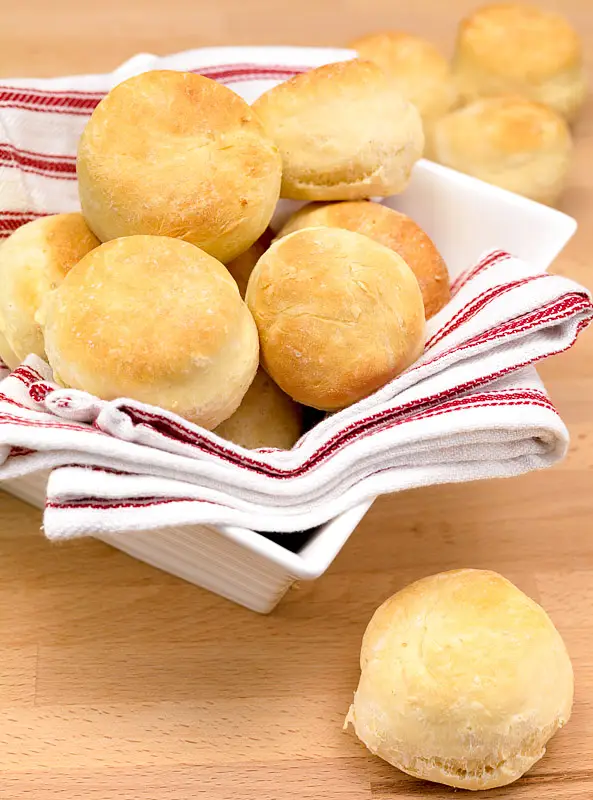
Buttery Orange Biscuits


Buttery orange shortbread biscuits with custard powder and fresh orange zest. British-style melting moments with crisp edges and tender, crumbly centers.
Jellied Cheesecake
No-bake jellied cheesecake with cottage cheese, crushed pineapple, whipped cream, and crystallized ginger on a graham cracker crust. A light, airy refrigerator dessert.

Chocolate Banana Custard
A quick low-fat chocolate banana custard made with chocolate milk, custard powder, sliced bananas, and toffee yogurt. No added sugar needed. Light, creamy, and ready in 15 minutes.

Walnut Fudge Cookies
Walnut fudge cookies (British-style biscuit fingers): a buttery shortbread base studded with walnuts and topped with a quick brown sugar fudge. Tea-time treat that slices clean.

Viennese Fingers
Buttery, melt-in-your-mouth piped shortbread cookies dipped in chocolate. Only 5 ingredients and no eggs needed for these classic Viennese Fingers.
Nainaimo Bars
This is a traditional Canadian sweet, much loved and admired. The origin of the recipe seems to be lost in the mists of time, though everyone seems to agree that it comes from the town of Nanaimo, in British Columbia.

Easy Cottage Cheese Pie
Cottage cheese pie is an old-fashioned custard pie with a tangy curd filling lightened by beaten egg whites and warmed with vanilla. A simple, frugal dessert with a creamy texture between cheesecake and custard.
Peanut Butter Nanaimo Bars
No-bake peanut butter Nanaimo bars with a chocolate coconut crumb base, creamy peanut butter custard filling, and glossy semisweet chocolate topping. A Canadian classic with a twist.