What Is Basic shrimp stock and How Can I Use It?
Here's everything worth knowing about basic shrimp stock and how to pick it, what it is, how to store it, and what to use instead, plus 6 recipes to cook tonight.
Key Points
- Sweet, rich stock simmered from saved shrimp shells and heads.
- Toast the shells first for deeper color and a nutty sweetness.
- Simmer only 20 to 30 minutes; longer turns it bitter.
- The base for gumbo, etouffee, bisque, and seafood rice dishes.
- Keeps 3 to 4 days chilled or about 3 months frozen.
What is basic shrimp stock?
Shrimp stock is the sweet, savory liquid you get by simmering shrimp shells and heads. Every time you peel shrimp for a recipe you are throwing away the most flavorful part.
Save those shells, give them a quick simmer, and you turn kitchen scraps into a base that tastes deeply of the sea.
The flavor leans sweeter and rounder than fish stock, with a gentle shellfish richness. It is the secret behind a good gumbo, etouffee, or shrimp bisque.
It is also nearly free and fast. Twenty to thirty minutes on the stove is all the shells need.
How to Make and Use It
The method is simple. Save the shells and heads when you peel raw shrimp, then sweat them in a little oil or butter until they turn pink and smell toasty. Cover with cold water, add an onion and a couple of aromatics, and simmer briefly.
That brief simmer matters. Like all seafood stocks, shrimp stock wants only 20 to 30 minutes; the parent stock page has the general rules, but here long cooking just turns it bitter.
Reach for it anywhere shrimp or seafood is the point. It builds the base for gumbo and etouffee, and it carries the rice in a dish like Seafood Dirty Rice. Use it to poach shellfish or to deglaze the pan in Louisiana Shrimp with Tomato/Vidalia Onion Sauce.
Getting the Most Flavor
The single trick that separates good shrimp stock from great is toasting the shells. A few minutes in a hot pan, or even roasting them in the oven, deepens the color and pulls out a roasted, almost nutty sweetness. Skip it and the stock tastes flat.
Shrimp stock pairs naturally with the Creole and Cajun pantry: garlic, onion, celery, bell pepper, tomato, cayenne, and bay. It also loves butter, a splash of white wine, and a finish of lemon.
The mistake to avoid is bitterness from overcooking, the same trap that catches every seafood stock. Pull it off the heat at the half-hour mark and strain it right away.
What to Use Instead
No shrimp shells saved up? Lobster or crawfish shells make stock the same way and taste close, a touch richer but in the same sweet family. Simmer them the same short window.
Fish stock works as a milder swap, cleaner and less sweet, so the shellfish character drops out. Bottled clam juice gets you the briny seafood note in a hurry, though it runs saltier, so ease back on added salt.
In a real pinch, a vegetable or light chicken stock with a splash of fish sauce stands in. It will not have the shrimp sweetness, but it keeps a dish moving.
Buying and Storing
Shrimp stock is rarely sold, so plan to make it. The smart move is to stockpile shells: every time you cook shrimp, toss the shells and heads into a freezer bag and keep adding until you have enough for a pot.
If you want to buy something, a low-sodium seafood or shellfish stock is the closest jarred option, but homemade beats it on flavor and cost every time.
Fresh shrimp stock keeps 3 to 4 days in the fridge in a sealed container. For longer storage, freeze it for up to about 3 months.
Freezing it in an ice cube tray gives you small portions for pan sauces and quick soups. Cool it quickly and refrigerate it promptly, since seafood stocks spoil faster than meat ones.
Quick facts
- In Chinese
- 基本虾股票
- British (UK) term
- Basic shrimp stock
- en français
- base stock de crevettes
- en español
- camarones stock básico
Recipes using basic shrimp stock
There are 6 recipes that contain this ingredient.
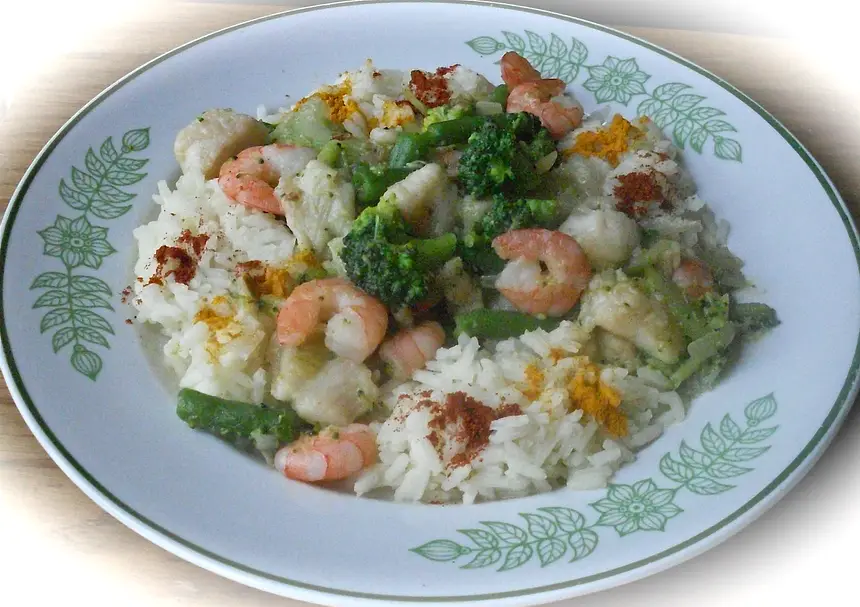
Shrimp & Fish with Green Vegetables in Orange Sauce


delicate, a bit spicy dish inspired by Asian cuisine, and stir-fried in my favorite old wok..
Crawfish-Tasso Saute
Cajun crawfish tails and smoky tasso sautéed with the holy trinity, mushrooms, and garlic, finished with white wine and butter. Serve over rice or pasta for a quick bayou-worthy supper.
Chile-roasted Shrimp
I have made this recipe for quite a long time, until now there is no one who told me this is not good. Very nice recipe.
Shrimp with Fettuccine
Shrimp fettuccine in a buttery white wine sauce with mushrooms, tomatoes, and Creole seasoning. Shrimp stock builds deep seafood flavor into every strand.
Louisiana Shrimp with Tomato/Vidalia Onion Sauce
Louisiana Shrimp with Tomato/Vidalia Onion Sauce recipe
Seafood Dirty Rice
Cajun seafood dirty rice loaded with shrimp, lump crab, homemade shrimp stock, and the holy trinity. Spiced with cayenne and thyme for that real Louisiana bayou flavor.