96 indian gravy recipes
 Recipe NOT List™ - disabled
Indian gravy: a make-ahead curry base of onions, garlic, ginger, turmeric, cayenne, and garam masala bloomed in ghee, then simmered with tomatoes and yogurt. The foundation for endless curries.
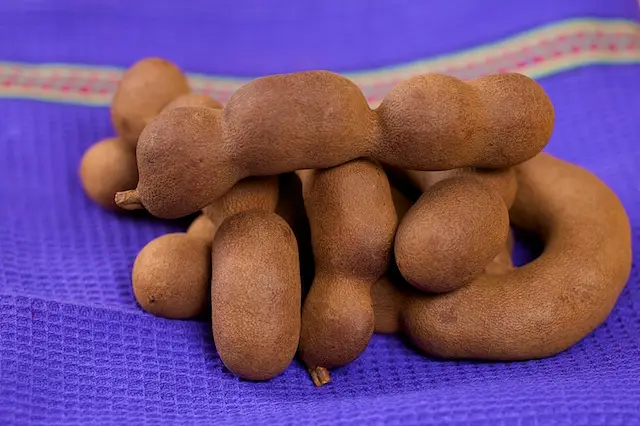
Indian tamarind chutney (imli ki chutney) made from soaked tamarind pulp with toasted cumin, chili, and mint. The classic tangy-sweet dipping sauce for samosas, pakoras, and chaats.
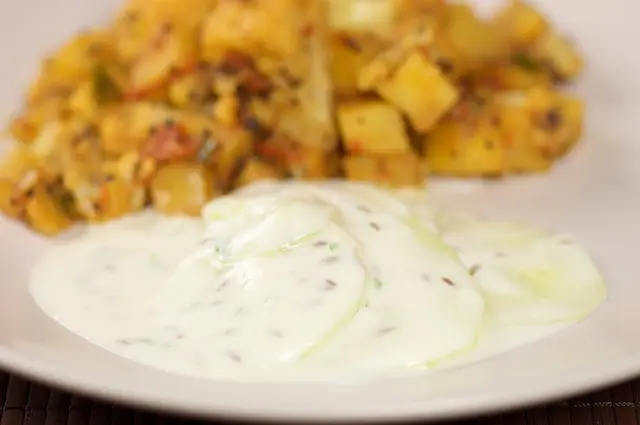
Creamy and cool. Great with any spicy food to cool the palate. Traditionally served at almost any East Indian meal raita is an everyday staple.
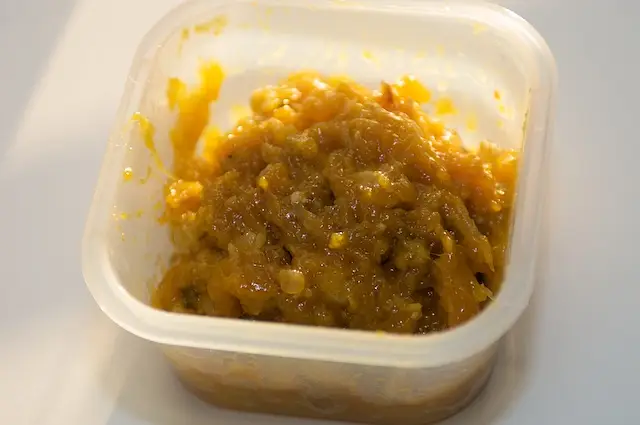
Mango chutney with brown sugar, vinegar, ginger, coriander, and cayenne. A quick-cook Indian condiment that improves with age. Makes 8 cups for pairing with curries and grilled meats.
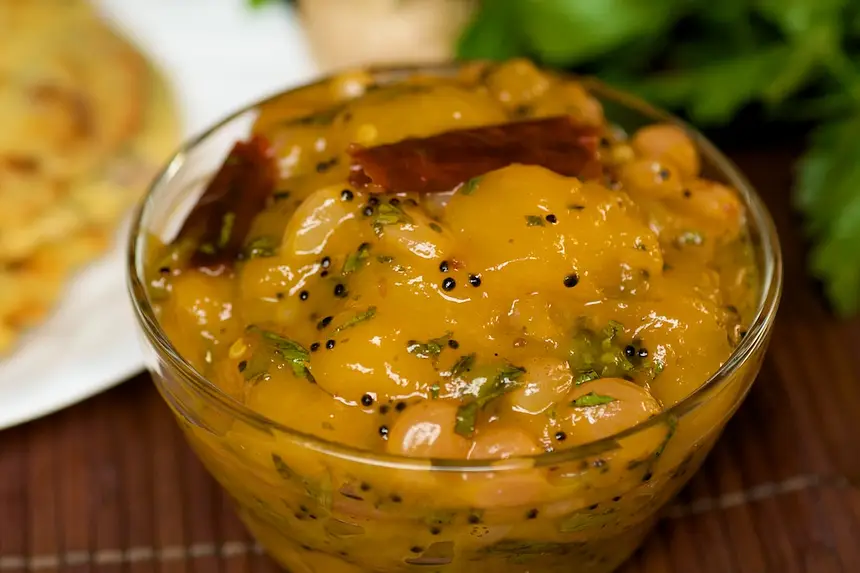
This spicy and sweet mango chuntney goes very well with the corn flatbread, you can also use pineapple too.
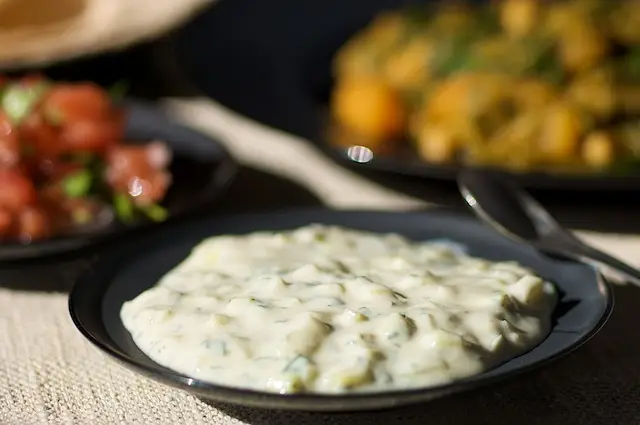
This is an awesome Raita (cucumber and yogurt) with the fresh zing of mint which goes well with lamb or to cool off your taste buds with a spicy curry or any other hot and spicy dish.

Gujarati tomato kasundi with mustard seeds, garlic, turmeric, and cayenne, simmered sharp and hot. Indian relish for rice, dosas, or slathered on a cheese sandwich.
Fresh mint and coriander chutney with tamarind, green chili, and onion ground into a bright, tangy paste. A no-cook Indian condiment that keeps in the fridge for a week and pairs with samosas, kebabs, and chaat.

Butter in India is called makkhan. Clarified butter, instead of being called makkhan ghee, is called usli ghee (usli means "real" or "pure," which in this context refers to the real or original fat of the ancient Indians). Clarified butter or usli ghee is essentially French brown butter with the brown residue strained off. Usli ghee has a light caramel color and a heavenly aroma. Since there is no moisture present, it keeps well covered, at room temperature, for several months.

Green lentils simmered with lovage, thyme, orange peel, and shallots in a reduced butter sauce. A refined, herbaceous French-style lentil side dish with an unexpected citrus note.
Asafetida, mango powder, and black salt distinguish the chat masala from other masalas, giving the blend a sourness that makes it a welcome accompaniment to fresh fruit and other snacks. 'Chat' refers to various snacks and to the North Indian cafes that serve them. Fresh fruit often is sprinkled with lime juice and chat masala. Black salt (which is actually reddish gray), available at Indian food stores, has a distinctive flavor that's quite different from sea salt or table salt. The garam masala is the wild card in this recipe; either one of the (Tamil Nadu Curry Powder or Punjabi-Style Garam Masala) masalas may be used.

A simple 4-spice Bengali garam masala blend of ground cardamom, cinnamon, cumin, and cloves. Warm, aromatic, and essential for authentic Bengali cooking.

A little of this warm, spicy blend goes a long way. Coming from North India, where meat is eaten more frequently than in the South, it is the kind of masala that's popular as an accompaniment for almost any meat dish, as a condiment or in the sauce.

Traditional tamarind and guava chutney with fresh ginger, mustard seeds, currants, and warm spices, boiled and canned for preserving. A tangy, complex Indian condiment.

Indian curry paste for seafood blends fresh lemongrass, ginger, garlic, turmeric, and lemon juice into a vibrant aromatic base. Made in 10 minutes for marinating fish or building quick curries.

Boondhi raita with golden chickpea-flour pearls soaked into thinned yogurt and seasoned with chaat masala. The cool, tangy Indian side that calms a fiery curry in one spoonful.
Showing 1 - 16 of 96 recipes