What Are Wild onions and How Can I Use Them?
Here's everything worth knowing about wild onions and how to pick them, what they are, how to store them, and what to use instead, plus 3 recipes to cook tonight.

Key Points
- Foraged Allium relatives with grassy greens and small bulbs; stronger and more garlicky than store onions.
- Safety first: a real wild onion smells of onion when crushed; no smell means do not eat.
- Toxic look-alikes like death camas and lily-of-the-valley lack any onion smell.
- Use greens like chives and bulbs like sharp garlicky onion; start light, they are potent.
- Substitute scallions plus garlic, or spring ramps; store like scallions, use within days.
What are wild onions?
Wild onions are the foraged, uncultivated relatives of the supermarket onion: slender grass-like greens growing from a small white bulb, found in fields, lawns, and woodland edges across North America. The term covers several species in the onion and garlic family, including wild garlic and the spring ramp.
The flavor is more pungent and concentrated than a cultivated onion, leaning garlicky, so a little goes a long way. Both the bulb and the green tops are edible.
A Foraging Caution First
Never eat a wild plant unless you are certain of the identification. A true wild onion always smells distinctly of onion or garlic when crushed.
If there is no oniony smell, do not eat it.
This matters because look-alikes such as death camas and lily-of-the-valley resemble wild onion but are poisonous, and they have no onion smell. The crushed-leaf smell test is the forager's first safety check, not a nicety.
How to Use Them
Treat wild onions much like a cross between scallions and garlic. Snip the green tops raw over eggs or potatoes the way you would chives, and use the small bulbs where you want a sharp, garlicky onion hit.
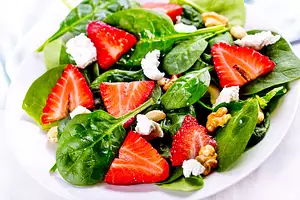
They are at their best in simple, rustic dishes that let their flavor lead, like the foraged-greens Ojawashkwawegad (Wild Green Salad), and they add depth to a long-simmered Wildfowl Stock. Because they are stronger than regular onions, start with less than a recipe calls for and adjust.
Substitutes
If you are not foraging, the closest store-bought stand-ins are scallions plus a clove of garlic, or ramps when they appear briefly in spring markets. Chives cover the green-top role.
For the bulb, a small amount of shallot or regular onion with extra garlic gets you close to that wild, garlicky character.
Buying and Storage
Wild onions are rarely sold; this is a forager's ingredient, gathered in spring. Harvest from clean ground well away from roadsides and anywhere that may have been sprayed.
Store them like scallions: wrap loosely and refrigerate, where they stay fresh for several days. The tender greens wilt fast, so use them soon after picking.
Quick facts
- In Chinese
- 野葱
- British (UK) term
- Wild onions
- en français
- oignons sauvages
- en español
- cebollas silvestres
Recipes using wild onions
There are 3 recipes that contain this ingredient.

Braised Game Birds

Braised game birds browned in olive oil, then slow-baked with wildfowl stock, honey, rosemary, and yogurt into a rich pan sauce. Served over wild rice.
Wildfowl Stock
Slow-simmered wildfowl stock from game bird pieces with wild celery, onions, carrots, and watercress. A patient, traditional method for a deeply flavored base.

Ojawashkwawegad (Wild Green Salad)


Foraged wild greens meet a sweet maple vinaigrette in this authentic Algonquin salad that brings woods-to-table dining alive with peppery watercress, tangy sorrel, and sunny dandelion flowers.