What Is White miso paste and How Can I Use It?
If white miso paste has turned up in a recipe or caught your eye at the store, here's what you need to use it with confidence and how to choose it, cook it, store it, what to substitute, and 6 recipes to try it in.
Key Points
- The mildest, sweetest miso (shiro), short-fermented with lots of rice koji
- A salty-sweet umami booster for dressings, marinades, glazes, and soups
- Never boil it; stir into soup off the heat to keep the flavor alive
- Swap in red miso at half the amount since it is much stronger and saltier
- Keeps months to a year refrigerated; press plastic wrap on the surface
What is white miso paste?
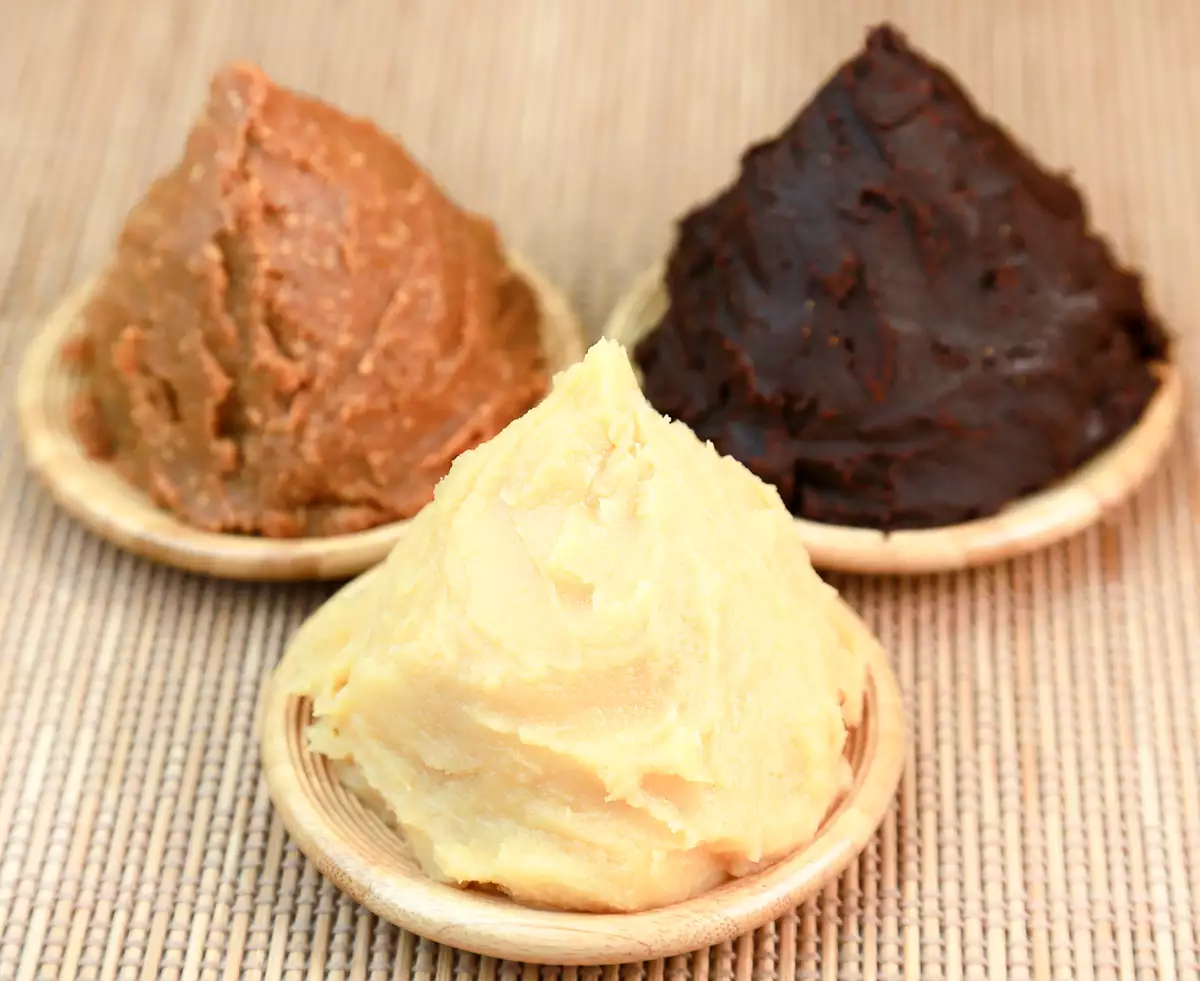
White miso, called shiro miso in Japanese, is the mildest, sweetest member of the miso family. It is a fermented paste made from soybeans and a high proportion of rice koji, fermented for only a few weeks to a few months.
The short ferment and the generous rice give it a pale tan or light golden color, a low salt level, and a mellow flavor. It tastes savory and faintly sweet rather than punchy, with much less of the deep funk that longer-aged miso carries.
That mildness makes it the easy starting point if you have never cooked with miso. It dissolves smoothly and seasons without dominating, slipping into both Japanese and Western dishes.
How to Use White Miso
White miso is a savory booster, the salty-sweet umami hit that makes a dish taste fuller. Whisk a spoonful into salad dressings, marinades, glazes, and soups, where it does the work of salt plus a layer of depth.
Because it is so mild, it works in places stronger miso would overwhelm. It stands in for cheese-like savoriness in dairy-free cooking, the trick behind MacAroni & No-Cheese and Dairy-Free Pasta Cheese Sauce, and it deepens vegetable dishes like Carrot Pate and Miso Potato Salad.
One rule matters above all: do not boil it.
High heat kills the live cultures and flattens the aroma, so stir miso into soup off the heat or at a bare simmer, the way Vegetable Miso Soup finishes.
A classic starting ratio for miso soup is about one tablespoon of white miso per cup of dashi, adjusted to taste.
Pairings and Common Mistakes
White miso loves sweet and rich partners. It pairs naturally with butter, mirin, sesame, citrus, honey, and mild vegetables, and it makes a quick glaze for fish or eggplant when mixed with a little sugar and sake.
The most common mistake is treating it like table salt and over-adding. White miso is still salty, so taste as you go and pull back on other salt in the recipe.
The second is adding it too early to a boiling pot. Keep it for the end, dissolve a little of it in warm liquid first so it does not clump, then stir it through.
Substitutes
Red miso is the closest swap but much stronger and saltier, so start with about half the amount and add more to taste. Yellow miso (shinshu) sits in between and substitutes more directly, with a touch more bite.
Out of miso entirely? A small amount of tahini whisked with a little soy sauce mimics the creamy, savory body, though it lacks the fermented tang. For glazes, a mix of soy sauce and a pinch of sugar covers the salty-sweet role.
Buying & Storing White Miso
Look for white miso in the refrigerated aisle, often near tofu, in a tub or sealed pouch. Choose unpasteurized ("live") miso if you want the probiotic cultures; pasteurized keeps longer and works fine for cooking.
Miso is fermented, so it keeps remarkably well. Sealed and refrigerated, it stays good for up to a year, and often longer; white miso, being less salty, does not last quite as long as dark miso, so use it within several months of opening for the brightest flavor.
Press a piece of plastic wrap onto the surface to keep out air, and do not worry about a darkening top layer or a little liquid; just stir it back in. If you see fuzzy mold, scrape it off or discard the tub.
Quick facts
Where to find white miso paste: White miso paste is usually found in the asian section or aisle of the grocery store or supermarket.
- In Chinese
- 白酱
- British (UK) term
- White miso paste
- en français
- blanc pâte de miso
- en español
- pasta de miso blanco
Recipes using white miso paste
There are 6 recipes that contain this ingredient.
Miso Potato Salad


Miso potato salad with baby potatoes simmered in a sauce of white and red miso, sake, ginger, and honey. A Japanese-inspired side served hot or cold, no mayo needed.

Spiced Sweet Potato Pie with Walnuts
Vegan spiced sweet potato pie with cardamom, cinnamon, ginger, and nutmeg, topped with walnuts. Dairy-free Thanksgiving pie that uses white miso for savory depth and cornstarch for clean slices.

Vegetable Miso Soup
Vegetable miso soup brightened with sweet green peas, scallion, jalapeño, garlic, and dulse seaweed. A fresh, 30-minute twist on the classic Japanese starter.
MacAroni & No-Cheese
Vegan mac and cheese with butternut squash, tahini, miso, nutritional yeast, and mustard blended into a creamy dairy-free sauce, baked with breadcrumbs. Plant-based comfort food.
Carrot Pate
Smooth carrot spread seasoned with dill, garlic, and miso, thickened with arrowroot. Vegetarian pate for crackers or veggie dipping.

Dairy-Free Pasta Cheese Sauce
Dairy-free pasta cheese sauce uses nutritional yeast, tahini, white miso, and soy milk to mimic the savory richness of a traditional cheese sauce. Vegan, ready in 25 minutes.