What Is Red vinegar and How Can I Use It?
Here's everything worth knowing about red vinegar and how to pick it, what it is, how to store it, and what to use instead, plus 11 recipes to cook tonight.
Key Points
- Red vinegar is ambiguous: usually red wine vinegar in Western recipes, red rice vinegar in Chinese ones.
- Let the cuisine of the dish tell you which bottle a recipe means.
- Red wine vinegar is sharp and fruity; red rice vinegar is milder and slightly sweet-tart.
- When unsure in a Western kitchen, red wine vinegar is the safer default.
- Buy the specific vinegar named rather than a bottle just labeled red vinegar.
What is red vinegar?
Red vinegar is not one single product. When a recipe just says red vinegar, it almost always means one of two things, and which one matters for the dish.
Most of the time, especially in Western recipes, red vinegar is shorthand for red wine vinegar, the sharp, fruity vinegar made from red wine. In Chinese cooking, red vinegar usually means Chinese red rice vinegar, a milder, slightly sweet-tart vinegar fermented from rice and colored a translucent red.
So before you cook, read the rest of the ingredient list. The cuisine tells you which one was meant.
Which One Does Your Recipe Mean?
If the dish is a vinaigrette or a braise from a European or American source, reach for red wine vinegar. That is the intent in a Mild Fresh Salsa, a Green Lentil Soup, or Martha's Vineyard Raspberry Chicken, where you want a clean, sharp acidity.
If the dish is Chinese, especially a Cantonese soup or dipping sauce, it usually means red rice vinegar. Its gentle, faintly sweet tang is what finishes a bowl like Ken's Hot-And-Sour Soup or seasons Spicy Shrimp without the harsh bite of a wine vinegar.
When a recipe is vague and you cannot tell, red wine vinegar is the safer default in a Western kitchen, since it is the more common pantry bottle.
How to Use and Substitute
Red wine vinegar belongs in dressings and marinades, and in any dish where its color and bite are welcome. Use it the way you would any wine vinegar, adding it late so the brightness survives.
Red rice vinegar is gentler and a touch sweet, used mostly as a finishing splash and in dipping sauces for seafood and dumplings. If you only have wine vinegar, soften it with a pinch of sugar and a little water to approximate the milder rice version.
To swap the other way, a good rice vinegar with a drop of soy sauce stands in for red rice vinegar's color and rounder flavor.
Buying and Storage
Buy the specific vinegar your recipe points to rather than a bottle simply labeled red vinegar, which is ambiguous. Red wine vinegar sits with the Western vinegars; red rice vinegar lives in the Asian aisle or a Chinese grocery.
Either keeps almost indefinitely in a cool, dark cupboard with the cap closed. Vinegar does not spoil, though a long-open bottle slowly loses its sharpest aroma, and harmless sediment is nothing to worry about.
Quick facts
- In Chinese
- 红醋
- British (UK) term
- Red vinegar
- en français
- de vinaigre rouge
- en español
- vinagre rojo
Recipes using red vinegar
There are 11 recipes that contain this ingredient.
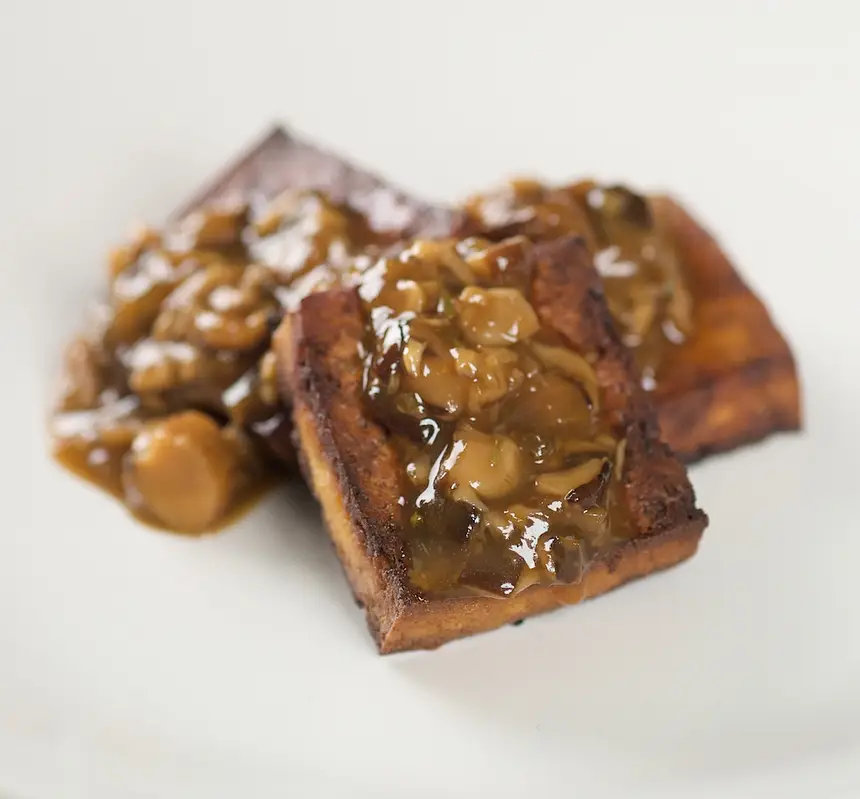
Roasted Tofu With Oyster Mushroom Gravy


Using this lovely way to cook tofu, you will be amazed by the flavored texture tofu, serve with tasty mushroom gravy, it is a perfect dish.
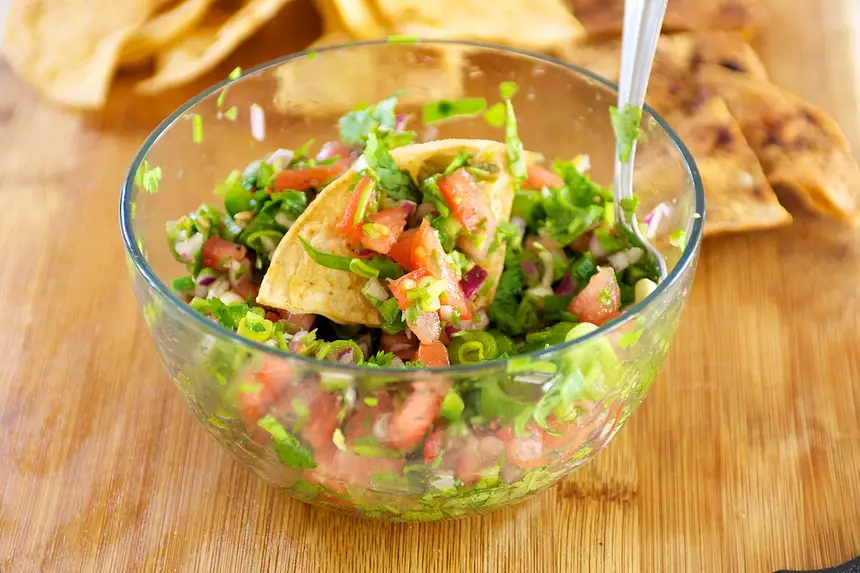
Mild Fresh Salsa
Trust me; take the time to make fresh salsa. The jarred salsas can't even come close to the flavor of fresh salsa.
Fiery Pork & Winter Bamboo Shoots Over Snow
Fiery pork and bamboo shoots over crispy rice noodles: stir-fried slivered pork with winter bamboo, Thai chili paste, and ginger served over a cloud of deep-fried puffy rice stick noodles.
Ken's Hot-And-Sour Soup
Homemade hot and sour soup with shredded pork, tofu, dried Chinese mushrooms, bean thread noodles, and egg ribbons in a tangy, peppery broth.

Martha's Vineyard Raspberry Chicken
Grilled raspberry chicken: breasts marinated in maple-raspberry vinaigrette, brushed with a sweet-spicy raspberry glaze and topped with toasted pine nuts. Sweet, tart, and a little fiery.
Chicken Chunks with Peanuts in Spicy Sauce
Egg white-battered chicken chunks fried crisp in peanut oil, tossed with roasted peanuts in a spicy sauce of garlic, ginger, dark soy, sesame oil, and red vinegar. Sichuan-inspired heat at home.
Sesame Dressing
Asian-inspired sesame dressing with toasted sesame seeds, peanut butter, roasted garlic, dry mustard, and a sweet-tangy vinaigrette base. Ready in 5 minutes.
Spicy Shrimp
Chilled spicy shrimp poached in vinegar, broth, dry mustard, and hot sauce. A make-ahead appetizer with bold tangy heat and clean shrimp flavor.
Black Bean, Corn, & Jalapeño Salad
This is a no-fail recipe. And if it lasts more than a day, it's still fantastic 3 days later. All of my friends and co-workers love this dish for potlucks and parties! TRY IT!
Green Lentil Soup
Green lentil soup with crushed tomatoes, garlic, bay leaves, and grated onion simmered for 2 1/2 hours. A splash of red vinegar at the end lifts the whole pot. Hearty, vegetarian, and deeply flavored.