What Is Jerk seasoning and How Can I Use It?
Here's everything worth knowing about jerk seasoning and how to pick it, what it is, how to store it, and what to use instead, plus 7 recipes to cook tonight.
Key Points
- A Jamaican blend built on allspice and fiery scotch bonnet, rounded out with thyme, scallion, and warm spices.
- Sold as a dry rub or a wet marinade; both want contact time and real grilling heat.
- Genuinely hot, so start light and taste before coating a whole batch.
- Balance its fire with tropical fruit, lime, or starchy rice and peas.
- Watch the salt: most jars are heavily salted, so ease off other salt sources.
What is jerk seasoning?
Jerk seasoning is the Jamaican spice blend behind the island's most famous dish: smoky, fiery grilled jerk chicken and pork. Two things make it unmistakable. The first is allspice, called pimento in Jamaica; the second is the searing heat of scotch bonnet peppers.
Around those two anchors go thyme, scallion, garlic, ginger, and a backbone of warm baking spices like clove and nutmeg.
The flavor is layered rather than one-note. You get sweetness from allspice and a little brown sugar, sharpness from green onion and citrus, plus a slow-building burn that lingers underneath. It tastes the way a charcoal grill smells, which is the whole point.
You will find it sold two ways, as a dry rub and as a wet paste, and both come from the same idea.
Cooking With Jerk Seasoning
The dry blend is a rub. Massage it into chicken thighs or a pork shoulder, then let the meat sit at least an hour, ideally overnight, so the salt and spices work their way in.
The wet version blends those same spices with fresh scotch bonnet, oil, soy, and lime into a marinade that clings and penetrates faster.
Heat is where jerk earns its name. Traditional Jamaican jerk is genuinely hot, so start with less than you think and taste before committing a whole batch. You can always add a second coat.
It is built for the grill or a hot oven, where the sugars char and the spices bloom. A Stuffed Caribbean Pork Roast leans on that slow-roasted depth, while a Jerked Pork & Mushroom Stack shows it works in a composed plate, not just on a bone.
Beyond meat, a spoonful wakes up roasted sweet potatoes or a pot of rice and peas.
What It Pairs With
Jerk loves sweetness and acid to balance its fire. Tropical fruit is the classic partner, which is why a Jerk Chicken & Nectarine Salad works so well: the cool stone fruit cuts the heat.
Mango, pineapple, lime, and coconut all play the same role, as do starchy sides like rice and peas or fried plantain.
The most common mistake is treating jerk like a finishing sprinkle. It is a marinade or rub that needs contact time and real heat to develop. Dust it on at the table and you taste raw, dusty spice instead of the deep, smoky char that defines the dish.
The second mistake is underestimating the salt. Most commercial blends are heavily salted, so if you are also brining or adding soy sauce, ease back or you will oversalt the meat. A Jerk Chicken Pizza, for instance, balances that saltiness against mozzarella and a sweet sauce.
Substitutes
No single jar tastes exactly like jerk, but you can get close. The fastest swap is to build your own.
Combine allspice, dried thyme, garlic powder, onion powder, cayenne or scotch bonnet powder, and brown sugar, then finish with a small pinch of cinnamon and clove. Roughly 1 tablespoon allspice to ¼ teaspoon each of the sweet spices keeps it balanced.
In a pinch, a Caribbean or "island" all-purpose seasoning gets you partway, though it usually lacks the scotch bonnet punch; add cayenne to make up the difference.
Cajun or Creole seasoning brings the heat and herbs but tastes of paprika and oregano rather than allspice, so it reads as a different cuisine.
For the fragrant warmth alone, lean on allspice plus thyme, the two notes you cannot fake.
Buying and Storing It
Dry jerk blends and wet jerk pastes both fill the international or spice aisle. Read the label. A good dry blend lists allspice and thyme near the top, not salt and sugar first.
Wet pastes in jars taste fresher and hotter, since they carry actual scotch bonnet, but they are perishable.
Store the dry blend like any ground spice, in a sealed jar away from heat and light, where it holds its punch for six months to a year before fading. Ground allspice loses its aroma faster than whole, so buy in amounts you will use.
Opened jars of wet jerk paste belong in the refrigerator and keep for several weeks; spoon from the jar with a clean utensil to avoid contaminating it.
If you make your own wet marinade with fresh scallion and pepper, treat it like fresh food and use it within a few days, or freeze it in a small bag for up to three months.
Quick facts
- In Chinese
- 挺举调味
- British (UK) term
- Jerk seasoning
- en français
- assaisonnement jerk
- en español
- condimento jerk
Recipes using jerk seasoning
There are 7 recipes that contain this ingredient.
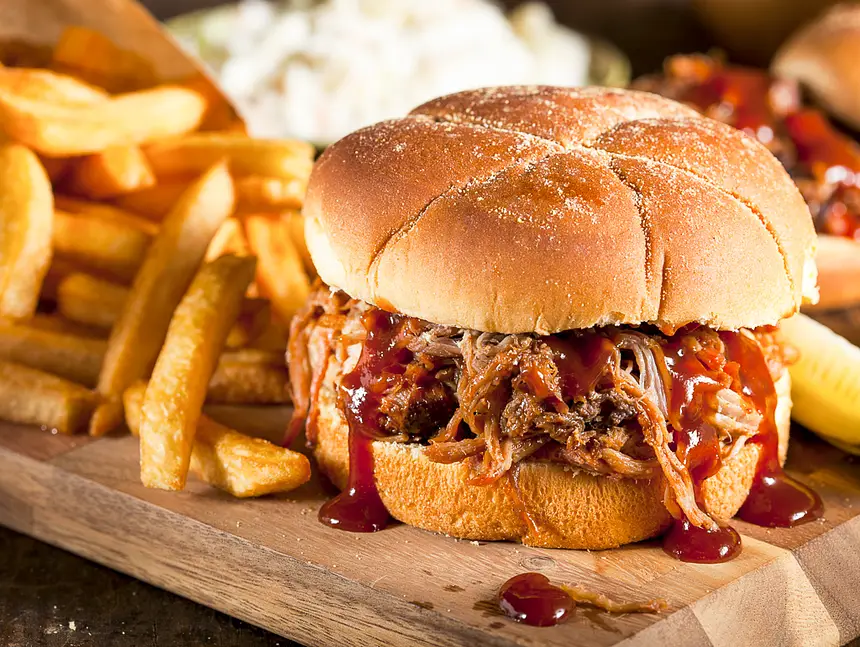
Chauvinist Pig Sauce (For Pulled Pork)


Had some leftover pulled pork and wanted something a little different than your standard barbeque sauce. Why "Chauvinist Pig"? Secret's in the sauce!
Jerk Chicken & Nectarine Salad
Jerk chicken & nectarine salad with honey-lime dressing ready in 30 minutes. Spicy grilled chicken thighs over crisp romaine with sweet, juicy nectarines and scallions.

Jerked Pork & Mushroom Stack
Jerked pork tenderloin seared then stacked on rice with sautéed portabello mushrooms, all drenched in a spiced cream sauce with allspice, coriander, and Worcestershire. Caribbean heat meets French technique on one plate.

Jerk Chicken Pizza
Jerk chicken pizza, a Caribbean spin: spicy jerk-seared chicken and shiitakes on a barbecue-sauce base with smoked mozzarella and asiago, finished with cool mango-mint salsa. Sweet heat meets smoky cheese.

Stuffed Caribbean Pork Roast
Jerk-rubbed pork loin stuffed with a tropical rice filling of crushed pineapple, ripe banana, dark rum, and Jarlsberg cheese. Caribbean flavors packed into every slice.

Habanerno Chicken Jerktoufee
Habanero chicken jerktoufee blends Cajun etouffee with Caribbean jerk spices. Chicken breast in a creamy roux-thickened sauce with tasso, habanero, and jalapeno, served over cornbread.

Grilled Cajun Shrimp
Tried this recipe last weekend for football snacks and the guys comments were: TOP SHELF, NUMBER ONE, CAN'T GET NO BETTER, MO' SHRIMP NEXT WEEK etc... Great flavors.