What Is Japanese rice vinegar and How Can I Use It?
Wondering what to do with japanese rice vinegar? This guide covers how to pick it, cook it, store it, and swap it, plus 5 recipes to put it to work.
Key Points
- Mild, pale Japanese rice vinegar at about 4 to 5 percent acidity with faint sweetness.
- The gentle, low-pucker acidity is what seasons sushi rice under nigiri and rolls.
- Buy plain, not "seasoned," so you control the sugar and salt ratio yourself.
- Plain white rice vinegar is the same thing and swaps in directly.
What is japanese rice vinegar?
Japanese rice vinegar is the mild, pale rice vinegar used across Japanese cooking. It is brewed from fermented rice and sits low on acidity, around 4 to 5 percent, with a faint natural sweetness that keeps it from puckering the way distilled white does.
That softness is exactly why it seasons sushi rice. Warm rice folded with rice vinegar, sugar and salt becomes the seasoned base under nigiri and rolls, as in Basic Sushi Rice.
The same gentle acidity cuts the richness in dressings and dips without overpowering them, the way it does in Asian Guacamole. Watch the label for "seasoned" rice vinegar, which already has sugar and salt mixed in. Keep the plain bottle so you control the sushi ratio yourself.
Plain white rice vinegar is the same thing under a different name and swaps in directly. For the full picture on choosing, using and storing it, see the main rice vinegar page.
Quick facts
- In Chinese
- 日本米醋
- British (UK) term
- Japanese rice vinegar
- en français
- japanese vinaigre de riz
- en español
- vinagre de arroz japonés
Recipes using japanese rice vinegar
There are 5 recipes that contain this ingredient.
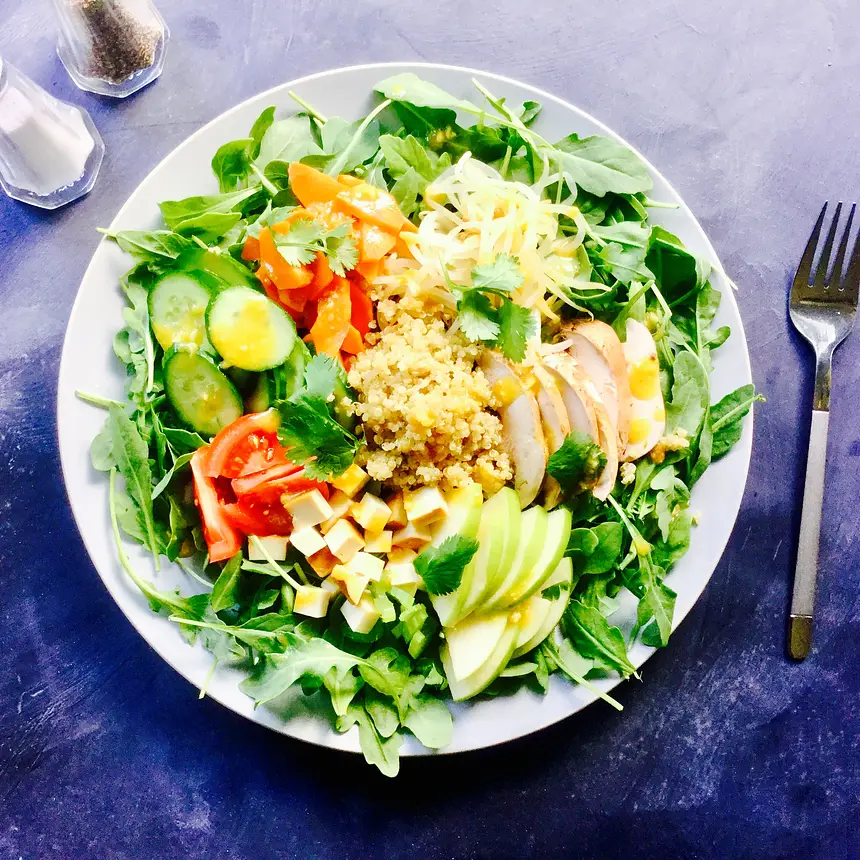
Loaded Vegetable & Quinoa Salad with Miso Orange Dressing


A wide variety of fresh vegetables and quinoa are tossed with a salty and sweet miso orange dressing. Serve it as a refreshingly nutritious side dish or a vegetarian/vegan main course.
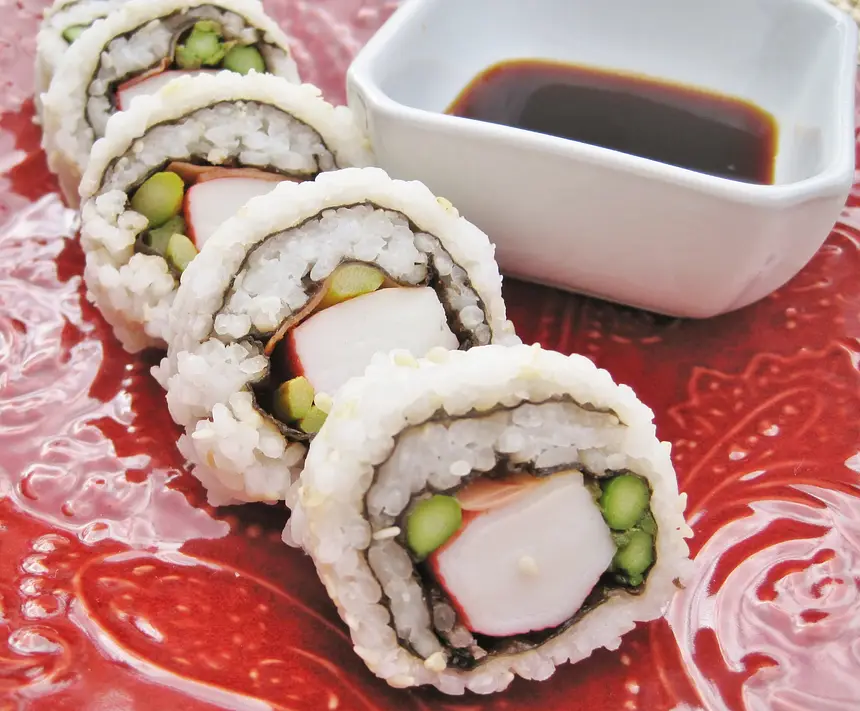
Basic Sushi Rice

Start of your journey to making sushi with this easy-to-follow recipe that creates no problems!
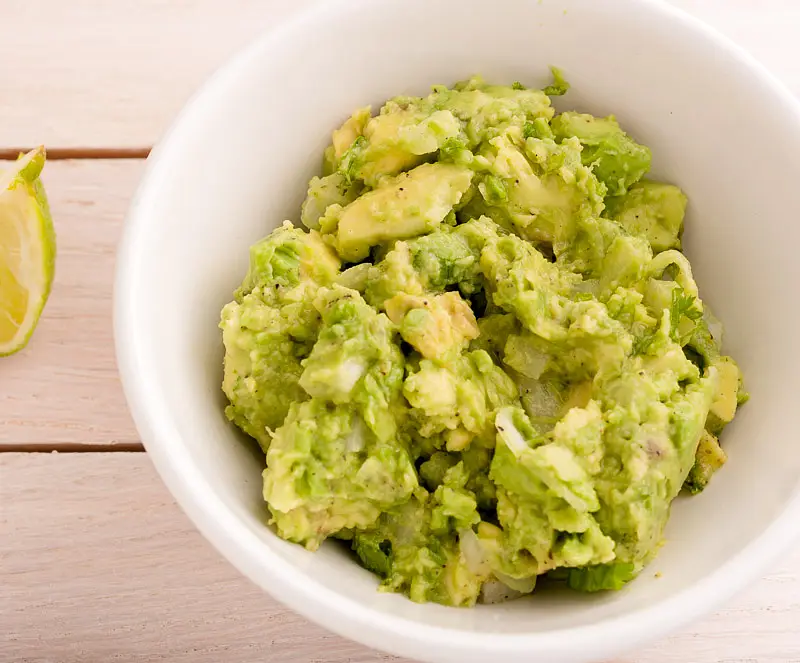
Asian Guacamole
Asian guacamole reimagines the dip with diced avocado, pickled ginger, rice vinegar, wasabi, and toasted sesame seeds. Served with crispy baked potsticker chips for a Pacific Rim appetizer.
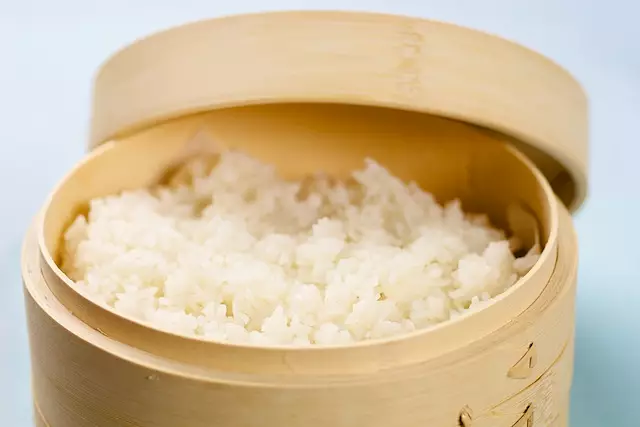
Perfect Sushi Sticky Rice
The Japanese version of rice is called "Japonica". It's short grain which makes the rice round and extremely sticky when cooled. You can also use aborio or risotto rice which works well.
Broccoli with Vinaigrette
Steamed broccoli tossed in a Japanese rice vinegar vinaigrette with garlic and stone ground mustard. A tangy, oil-free side dish ready in under 15 minutes.