What Is Sushi rice and How Can I Use It?
Wondering what to do with sushi rice? This guide covers how to pick it, cook it, store it, and swap it, plus 5 recipes to put it to work.

Key Points
- Japanese short-grain japonica rice, cooked then seasoned with rice vinegar, sugar, and salt.
- The high-starch grains turn plump and sticky so they hold a roll or nigiri.
- Rinse hard, cook close to 1:1 water, then fold in dressing while fanning to cool.
- Eat at room temperature; refrigeration dries it out and stales the grains fast.
- Use real Japanese short-grain rice; arborio and long-grain rices are poor stand-ins.
What is sushi rice?
Sushi rice is short-grain Japanese rice (the japonica subspecies) that has been cooked and then seasoned with a vinegar mixture. The grains are short and round and carry a lot of starch, so they turn plump and sticky, clinging to each other in soft clumps you can shape by hand.
That stickiness is the point. It is what lets a slice of fish sit on a molded oval of rice, or a roll hold its shape when you cut it.
Strictly speaking, "sushi rice" is plain Japanese short-grain rice once it has been dressed. The seasoned, finished rice has a proper name in Japanese: shari.
Making Shari
Start by rinsing hard. Wash the raw rice in several changes of cold water, swishing and draining until the water turns from milky to nearly clear. This removes loose surface starch that would otherwise turn the batch gluey.
Cook it with a touch less water than usual, close to 1:1 by volume, since you want firm grains that will not collapse once you fold in the dressing. A rice cooker is the easy route, but a covered pot works.
While it cooks, mix the dressing. Warm rice vinegar with sugar and a little salt until both dissolve. A common starting point is about 3 tablespoons vinegar to 2 tablespoons sugar with 1 teaspoon salt, per 2 cups of uncooked rice.
Tip the hot rice into a wide bowl and pour the dressing over it. Fold it through with a cutting, sideways motion while fanning to cool, which keeps the grains intact instead of mashing them.
The recipe most cooks lean on here is Perfect Sushi Sticky Rice. It covers the rinse, the water ratio, and the folding step in order.
From there the rice goes into Maki Sushi (Rolled Sushi), a Smoked Salmon Sushi Roll, or hand-shaped nigiri.
Working With It
Seasoned sushi rice is meant to be eaten at room temperature, never fridge-cold, which dries it out and turns the grains hard. Keep it covered with a damp cloth while you assemble rolls so the surface does not crust over.
Wet your hands before shaping. Sticky rice grabs dry skin and tears, but a quick dip in water lets it release cleanly.
The big mistake is over-seasoning or over-handling. Too much vinegar dressing makes the rice slick and sour, and mashing it while you fold leaves you with paste instead of glossy, separate grains.
Substitutes
The honest answer is that you want real Japanese short-grain rice, sold as sushi rice or under brands like Koshihikari. Nothing else gives the same plump, sticky-but-springy grain.
In a pinch, other short-grain or medium-grain rices come closest, since they share the round shape and higher starch. They will be a little softer or less springy but will still hold a roll together.
Arborio, the risotto rice, gets suggested because it is also starchy. It is a poor stand-in though, staying firm and chalky at the center instead of developing that tender japonica bite.
Long-grain rices like basmati rice or jasmine rice will not work at all, since they cook up separate and refuse to cling.
Buying and Storing
Buy rice labeled specifically for sushi or Japanese short-grain, and check that the grains look short and rounded rather than long and slim. Bags often list a milling or crop date; fresher rice cooks more evenly.
Store uncooked rice in an airtight container in a cool, dark cupboard, where it keeps for a year or more. Keep it away from moisture and strong odors, which the starch can absorb.
Once seasoned, sushi rice is best eaten the day it is made. If you must hold it a few hours, keep it covered at room temperature, not in the refrigerator, where the cold quickly stales it.
Quick facts
Where to find sushi rice: Sushi rice is usually found in the asian section or aisle of the grocery store or supermarket.
- In Chinese
- 寿司饭
- British (UK) term
- Sushi rice
- en français
- riz à sushi
- en español
- arroz de sushi
Recipes using sushi rice
There are 5 recipes that contain this ingredient.
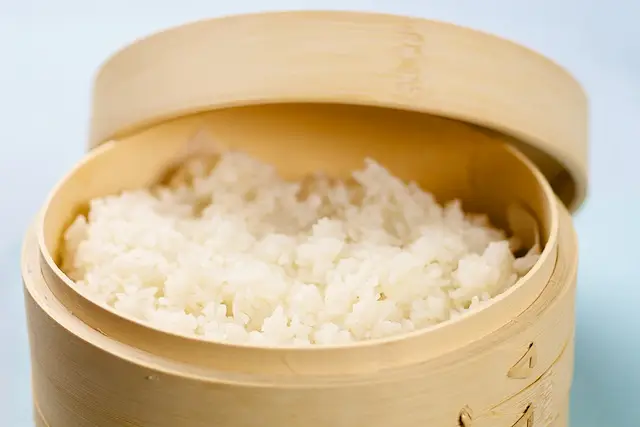
Sushi Rice


Properly seasoned sushi rice with a sweet vinegar mixture, soaked and steamed for sticky, glossy grains. Includes stovetop and rice cooker methods. The foundation for homemade sushi rolls, nigiri, and poke bowls.
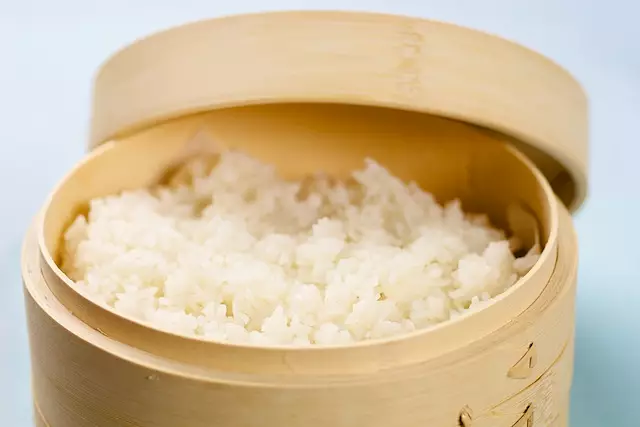
Perfect Sushi Sticky Rice
The Japanese version of rice is called "Japonica". It's short grain which makes the rice round and extremely sticky when cooled. You can also use aborio or risotto rice which works well.

Tuna Maki
Fresh ahi tuna maki rolls wrapped in nori with seasoned sushi rice and wasabi, served with pickled ginger, julienned daikon, and carrots. Make sushi-bar quality rolls at home in 25 minutes.
Smoked Salmon Sushi Roll
Smoked salmon sushi rolls layer seasoned sushi rice, creamy avocado, crisp cucumber, and silky smoked salmon in nori. Beginner-friendly homemade maki, no raw fish or special skills required.
Maki Sushi (Rolled Sushi)
Maki sushi with soy-simmered kampyo, shiitake, carrot, watercress, and eel, rolled in seasoned sushi rice and nori. Traditional hand-rolled Japanese sushi.