What Is Dutch processed cocoa and How Can I Use It?
Here's everything worth knowing about dutch processed cocoa and how to pick it, what it is, how to store it, and what to use instead, plus 11 recipes to cook tonight.
Key Points
- Dutch-processed cocoa is alkalized to neutralize acidity, giving a darker color and a smoother, mellow flavor.
- Its near-neutral pH will not react with baking soda, so recipes pair it with baking powder.
- Use it for deep color and low-acid flavor in wafers, dark frostings, brownies, and fudge.
- To swap natural cocoa for Dutch, add about ⅛ teaspoon baking soda per 3 tablespoons cocoa.
- Store airtight in a cool, dark cupboard; it keeps flavor two to three years before fading.
What is dutch processed cocoa?
Dutch-processed cocoa is unsweetened cocoa powder that has been treated with an alkaline solution to neutralize its natural acidity. The process, invented by Dutch chemist Coenraad van Houten in the 1820s, darkens the powder and mellows its flavor while making it dissolve more easily.
Next to natural cocoa it looks and tastes different. Natural cocoa is reddish-brown and sharply fruity, with a pH around 5. Dutched cocoa is darker and smoother, landing closer to pH 7 or 8.
The flavor reads as deep and rounded rather than bright and acidic.
That near-neutral pH is the whole point, and it changes how the powder behaves in a recipe. Because the acid has been removed, Dutch cocoa cannot react with baking soda the way natural cocoa does.
Baking With Dutch-Processed Cocoa
This is where the chemistry matters most. Baking soda needs an acid to make a cake rise, and natural cocoa supplies that acid; Dutched cocoa does not. A recipe built around Dutch cocoa therefore pairs it with baking powder, which carries its own acid, instead of relying on plain soda.
Swap blindly and you get trouble. Use Dutch cocoa in a recipe written for natural cocoa plus baking soda and the batter may rise poorly and taste flat or even soapy, because the soda has nothing to react with.
Where it really earns its place is flavor and color. The dark, mellow powder gives the near-black look and smooth taste of a classic chocolate wafer. Crispy Chocolate Wafers and the homemade Oreo Cookie-DIY both rely on Dutched cocoa for that bittersweet, almost-burnt-looking crumb that natural cocoa cannot match.
Pairing and Common Mistakes
It suits anything that wants deep chocolate color and a smooth, low-acid flavor, from dark frostings to fudgy brownies to devil's food cake. Ale Chocolate Frosting and Norman's Favorite Chocolate Fudge both lean on that rounded depth.
The big mistake is treating the two cocoas as identical. If a recipe specifies one type, use it; the leavening was balanced around its acidity, and switching can flatten the rise.
The second mistake is judging by color alone. A very dark, near-black cocoa (sometimes sold as black cocoa) is heavily Dutched and tastes more like an Oreo than like chocolate, so it is best blended with regular cocoa rather than used straight.
Substitutes
If you only have natural cocoa where a recipe calls for Dutch, you can usually swap it, but tame the extra acidity. For every 3 tablespoons of natural cocoa, add a pinch (about ⅛ teaspoon) of baking soda to neutralize it, and expect a sharper flavor and lighter color.
The cleanest swaps are recipes leavened with baking powder or eggs alone, where acidity does not drive the rise. There the two cocoas trade one for one and only the flavor shifts.
Unsweetened baking chocolate can stand in by weight in some recipes, but it adds fat, so it is a last resort rather than a true match for the dry powder.
Buying and Storing
Look for cocoa labeled Dutch-processed or Dutched, or one whose ingredient list says processed with alkali. If the label says only cocoa with no mention of alkali, it is natural cocoa.
Check before you buy when a recipe is specific about the type.
Keep cocoa in an airtight container in a cool, dark cupboard, never above the stove where heat and steam reach it. Stored dry, it holds its flavor for about two to three years, though it slowly fades.
Cocoa does not spoil the way perishable food does, but it clumps and absorbs odors easily. If it smells musty or has hardened into lumps, its flavor is gone and it is time to replace it.
Quick facts
- In Chinese
- 荷兰加工可可
- British (UK) term
- Dutch processed cocoa
- en français
- cacao transformé dutch
- en español
- cacao procesado holandés
Recipes using dutch processed cocoa
There are 11 recipes that contain this ingredient.
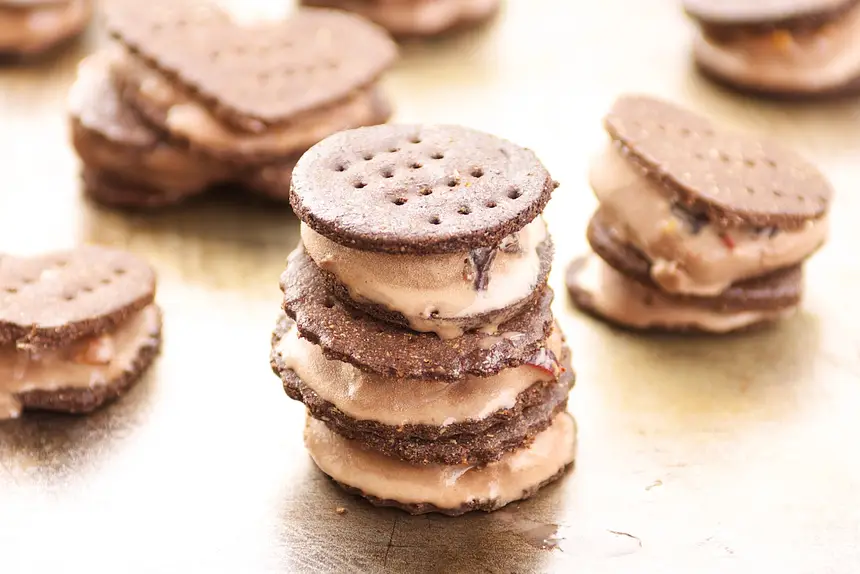
Oreo Cookie & Chocolate Ice Cream Sandwiches


Store-bought chocolate ice cream mixed with toasted walnuts and dried cherries, with homemade oreo cookies make these addictively delicious ice cream sandwiches that will for sure please your sweetest tooth :)
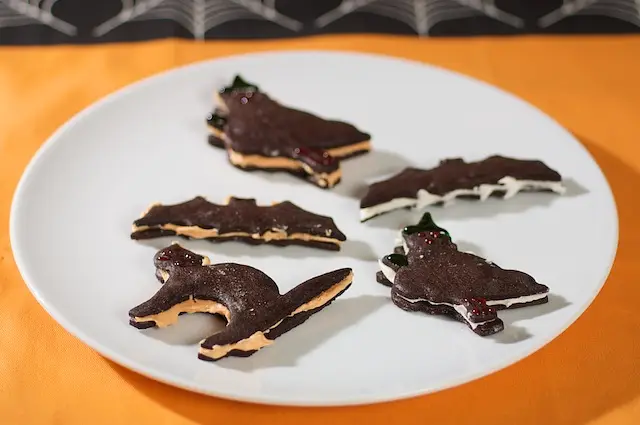
Halloween Oreo Cookies
A home-made Halloween treat that your kids will love. Chocolate sandwich cookies shaped using Halloween cookie cutters.
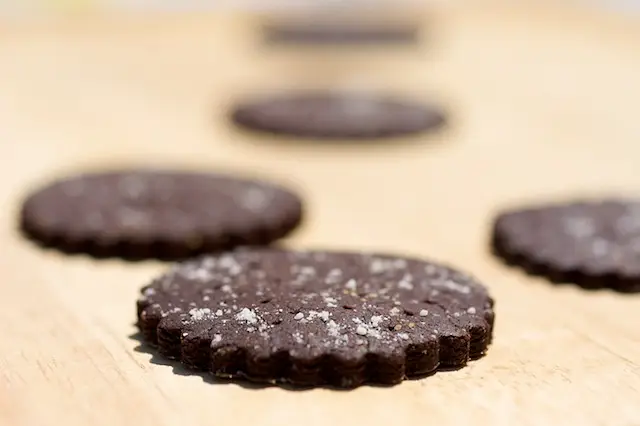
Crispy Chocolate Wafers

Thin, snappy chocolate wafers with deep cocoa flavor and a dusting of powdered sugar turn any cookie tin into a bakery showpiece. Chilling the dough overnight makes them extra crisp.
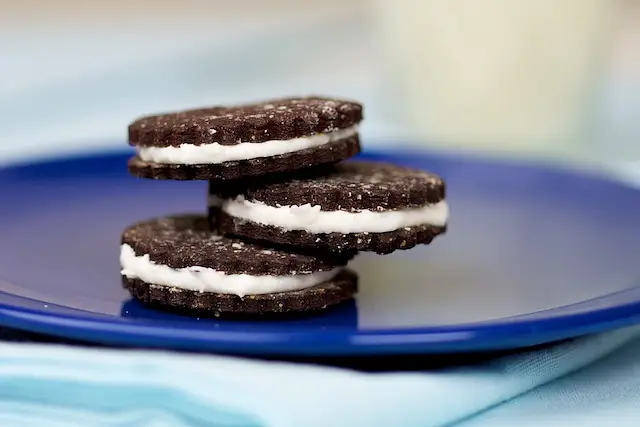
Oreo Cookie-DIY
Make your own oreo cookies, it's more than worth it and easier than you think. Great to make with your kids.
Dark Chocolate Mulled Wine Sauce
This dark sauce takes advantage of chocolate's affinity for red wine. Dutch process cocoa lends the sauce richer chocolate flavor than regular unsweetened cocoa.
Norman's Favorite Chocolate Fudge
Old-school stovetop chocolate fudge made with vanilla pudding mix, Dutch cocoa, and a cold-towel cooling technique for smooth, creamy texture. No butter needed, topped with pecans.

Chocolate Marble Cheesecake-Part 1
Chocolate marble cheesecake Part 1 covers oven prep and the signature silky-smooth base made with processed cottage cheese and Neufchatel. The lightened take on classic cheesecake without sacrificing richness.

Ultimate Chocolate Blackout Cake
Made popular back in the 1960's by a bakery in Brooklyn. Chocoholics of all ages love this rich chocolate layer cake that uses a thick pudding instead of icing.
Chocolate Yogurt Cake
Rich chocolate bundt cake made with plain yogurt and Dutch-processed cocoa for an incredibly moist crumb. No frosting needed, just deep cocoa flavor in every slice.
Chocolate Yogurt Cake
Rich chocolate bundt cake made with plain yogurt and Dutch-processed cocoa for an incredibly moist crumb. No frosting needed, just deep cocoa flavor in every slice.