What Is Cloud ear black fungus and How Can I Use It?
Cloud ear black fungus rewards a little know-how: how to choose it, cook it, store it, and substitute in a pinch. Browse 8 recipes to cook with it.
Key Points
- Cloud ear, also called black fungus or wood ear, is a dried mushroom used for crunch, not flavour.
- Soak it twenty to thirty minutes, trim the hard stem, and rinse the folds free of grit.
- Its snap survives long cooking, so it suits hot-and-sour soups, braises, stir-fries, and cold salads.
- Do not soak it warm for hours; prolonged soaking has been linked to bacterial toxin growth.
- Wood ear swaps one for one; dried it keeps a year or more sealed in a cool, dark cupboard.
What are cloud ear black fungus?
Cloud ear is a thin, dark, ruffled mushroom valued in Chinese cooking less for flavour than for its crisp, slippery snap. It grows in frilly clusters on rotting wood and is nearly always sold dried, as small black crinkled chips that look like nothing until you soak them.
It goes by many names: cloud ear, black fungus, wood ear, and the Mandarin mu er. The closely related wood ear is a touch thicker and tougher, but the two are used interchangeably in most recipes.
The taste is almost neutral, faintly earthy and woodsy.
What it brings instead is texture, a gentle crunch that stays bouncy even after long cooking, which is exactly why it turns up in so many braises and stir-fries.
How to Use It
Soak it first. Cover the dried pieces with warm water and leave them twenty to thirty minutes; they swell to several times their size, unfurling into soft, ear-shaped sheets.
After soaking, trim away the hard knobby bit where it attached to the wood, then rinse well, since grit hides in the folds. Tear or slice large pieces into bite-size strips.
It does its best work in stir-fries and hot-and-sour dishes, where its crunch contrasts with soft tofu and tender meat. It is a backbone of Hot & Sour Garlic Chive Soup with Tofu and of Chinese Spicy Pork Strips with Black Fungus, carrying texture through the sauce.
Because it barely changes with cooking, add it whenever is convenient.
It holds its snap through a long simmer or a quick toss alike, so a few minutes in a stir-fry like Stir-Fried Longbeans is enough, and it also soaks up the dressing in a cold dish like the Chinese Veggie Salad with Soy Dressing.
Pairing and Common Mistakes
Cloud ear plays a supporting role and leans on bolder flavours around it. Soy, ginger, garlic, vinegar, sesame, chilli, and pork are its natural company, and because it is nearly flavourless it absorbs whatever sauce it sits in.
The most common mistake is under-soaking. Dropped in dry or barely softened, the pieces stay leathery and chewy in the wrong way, so give them the full soak until fully pliable before they go in the pan.
The second mistake is skipping the rinse and the tough stem. The little attachment point stays hard no matter how long you cook it, and unrinsed folds hold sand, so both are worth the extra minute.
A note on safety: do not soak dried cloud ear at warm room temperature for many hours or overnight. Prolonged soaking has been linked to bacterial toxin growth, so soak only until rehydrated and refrigerate if you need to wait.
Substitutes
There is no swap that matches its exact crunch, but a few come close in spirit. Fresh or rehydrated shiitake bring an earthy bite, though they are softer and far more flavourful, so they change the dish more than cloud ear would.
Wood ear mushroom is the true stand-in, since it is essentially the same thing slightly thicker. Use it one for one.
Enoki or a handful of bean sprouts can stand in purely for crunch in a stir-fry, though both lack the bouncy chew.
If you only need dark colour and a little texture in a soup, thinly sliced shiitake or even a few extra vegetables will carry it, accepting it will not be quite the same.
Buying and Storing
Buy cloud ear dried, in cellophane bags from Asian groceries, often labelled black fungus or wood ear. Look for pieces that are whole and brittle rather than crumbled to dust, and avoid bags with a lot of fine debris.
Dried, it keeps almost indefinitely. Store the bag sealed in a cool, dry, dark cupboard away from moisture and it stays good for a year or more without losing its texture.
Once rehydrated, treat it like fresh food. Use soaked cloud ear within a day or two, kept covered in the fridge, and discard any that turns slimy or smells sour.
Quick facts
- In Chinese
- 云耳黑木耳
- British (UK) term
- Cloud ear black fungus
- en français
- nuage oreille champignon noir
- en español
- nube oído hongo negro
Recipes using cloud ear black fungus
There are 8 recipes that contain this ingredient.
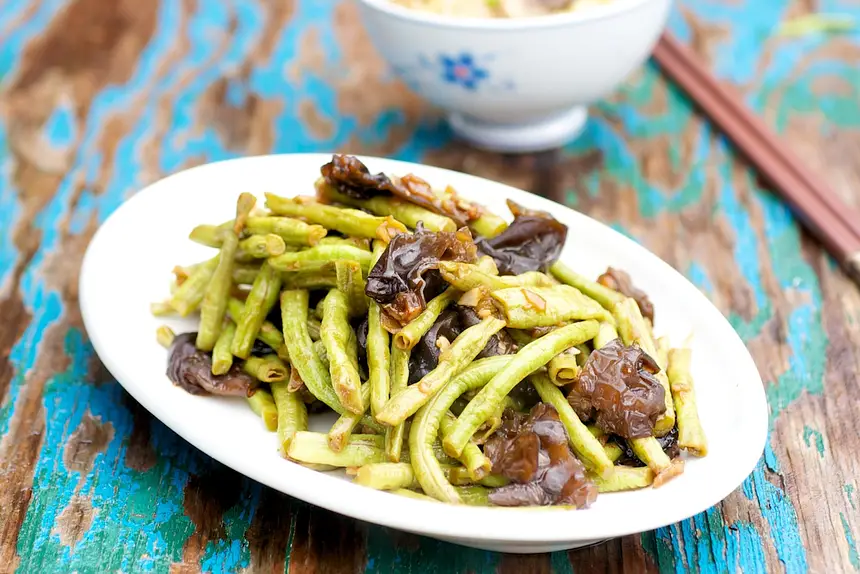
Stir-Fried Longbeans


Chinese longbeans stir-fried with cloud ear fungus, silk squash, shallots, and ginger in an oyster sauce and rice wine glaze. Swap in green beans and zucchini if you can't find the Asian varieties.

Vegetable Smoked Tofu Salad with Soy-Maple Dressing
Lots of fresh veggies and smoked tofu are tossed with a flavorful yet light soy-maple dressing.

Chinese Veggie Salad with Soy Dressing
This light yet tasty Chinese veggie salad is made with bean sprouts, lotus root, carrot, cucumber, black mushrooms, and tofu sheet, then tossed with a soy-rice vinegar-sesame oil dressing. A refreshing side dish that goes well with most of the main dishes, or just serve it with some steamed rice to complete a delicious meal.
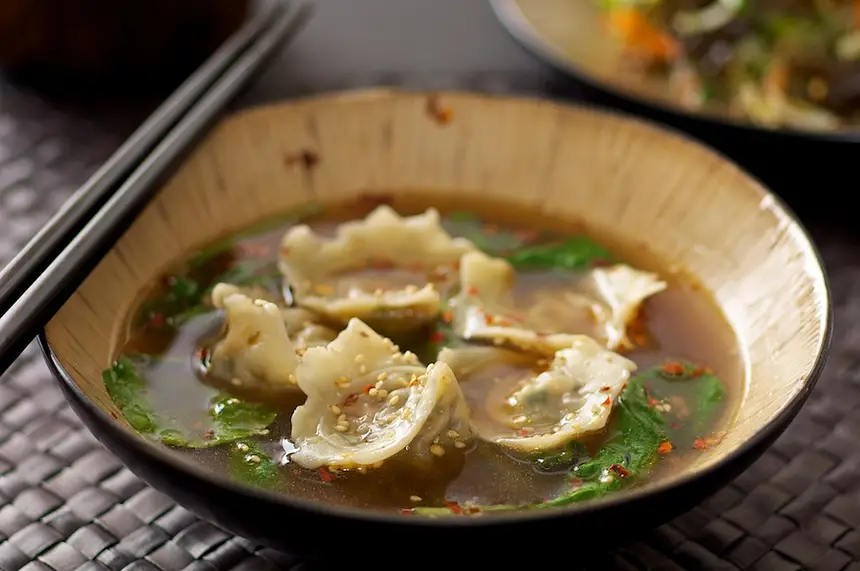
Veggie Jiao Zi (Chinese Dumpling) Soup
A light yet delicious Chinese dumpling soup. The dumpings are made with several kinds of veggies, smoked tofu, shiitake mushrooms, water chest nuts, and black fungus, tossed with soy sauce, rice vinegar, sesame oil. Simply wrap it up with store-bought wonton or dumpling wraps.
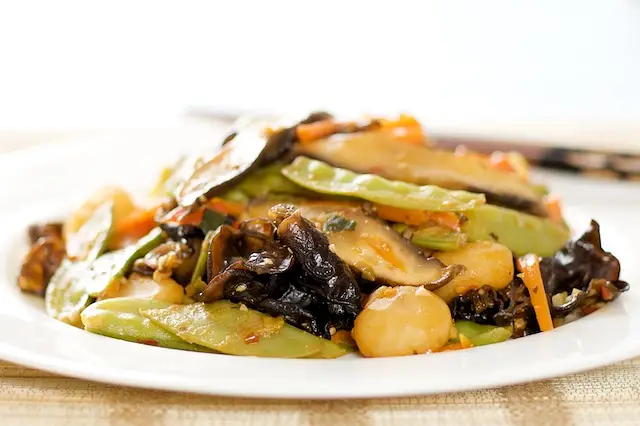
Snow Peas, Carrots & Water Chestnuts Stir-Fry with Asian Sauce
Snow peas, carrots and water chestnuts give this stir-fry the very crunchy texture, and the Asian sauce adds the sweetness, sourness and spiciness. A quick, easy and tasty stir-fry is great for a weeknight.

Hot & Sour Garlic Chive Soup with Tofu
Hot and sour garlic chive soup with silky tofu, cloud ear mushrooms, seaweed, and miso. A vegetarian Asian-style broth with tangy rice vinegar, chili heat, and herbaceous garlic chive garnish.
White Fish Filets In Bean Sauce
Bean sauce is used so often in Chinese dishes, white fish filets in bean sauce, they match so good!

Chinese Spicy Pork Strips with Black Fungus
Sichuan pork stir-fry with chewy cloud ear mushrooms, bamboo shoots, and water chestnuts in spicy sauce. Quick, fiery, and full of texture, ready in an hour with soaking time.