What Are Chicken gizzards and How Can I Use Them?
Wondering what to do with chicken gizzards? This guide covers how to pick them, cook them, store them, and swap them, plus 7 recipes to put them to work.
Key Points
- A bird's grinding organ: dense muscle that turns tender only with long, slow cooking.
- Cook low and slow or fry after a simmer, never a quick saute.
- Simmer 1 to 1½ hours until fork-tender; undercooked gizzards turn rubbery.
- Star in dirty rice, gumbo, giblet gravy; chicken hearts are the closest swap.
- Cook to 165°F (74°C) like all poultry; refrigerate and use within two days.
What are chicken gizzards?
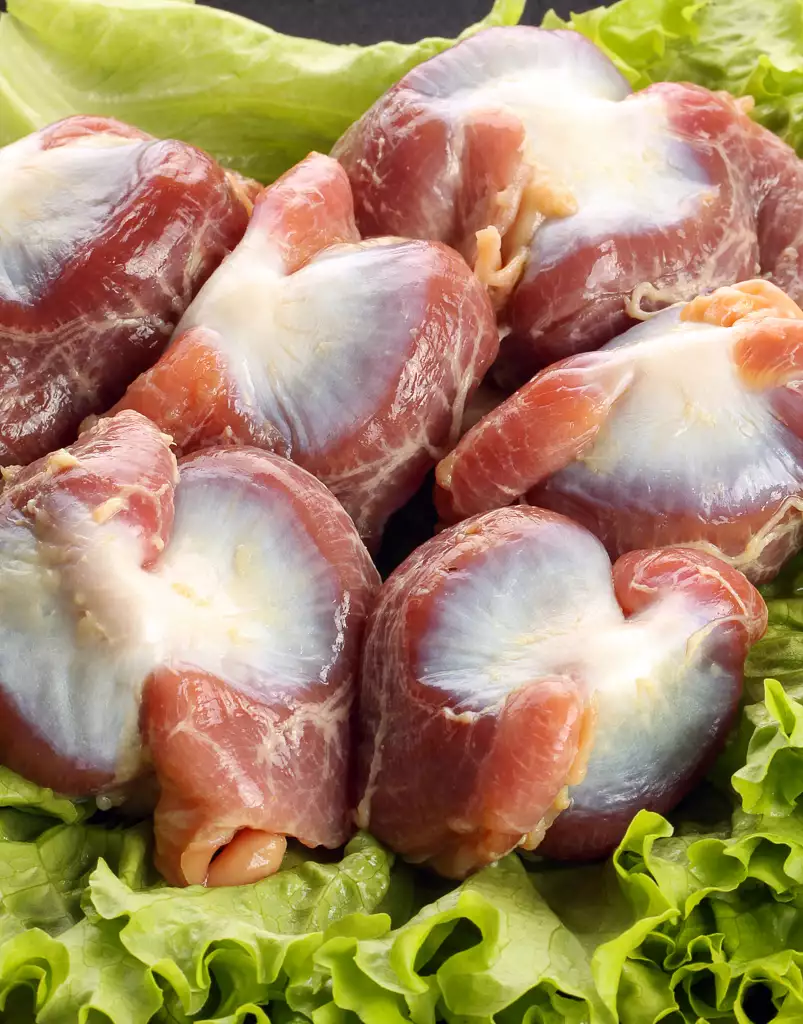
Chicken gizzards are the small, muscular organ a bird uses to grind its food, since chickens have no teeth. That constant grinding builds dense, hardworking muscle, which is exactly why a gizzard is so chewy when cooked fast and so meltingly tender when cooked slow.
They come packed inside the giblet bag tucked into a whole chicken, alongside the heart and liver. On their own they are cheap, rich in protein and iron, and a staple of cooks who waste nothing.
The flavor is deep and savory, more like dark meat than liver, with no organ funk.
How to Cook Chicken Gizzards
Gizzards are connective-tissue heavy, so they reward one of two opposite approaches: low and slow, or a quick fry after a tenderizing simmer. There is no good middle ground; a 15-minute saute leaves them rubbery.
For tenderness, simmer them gently in salted water or stock for 1 to 1½ hours until a fork slides in easily. This is the move behind Giblet Gravy, where the simmered gizzards are chopped fine and stirred back into a poultry pan gravy.
Once simmered, they fry beautifully. Drain them, dredge in seasoned flour, then shallow-fry until crisp for a Southern snack. Chopped fine, they also carry Dirty Rice, where their minerally chew defines the dish alongside chicken livers.
Whole gizzards add body to long-cooked pots. They simmer for hours in Mahalia Jackson's Okra Gumbo and lend backbone to a homemade Chicken Stock or Broth.
Pairing and Common Mistakes
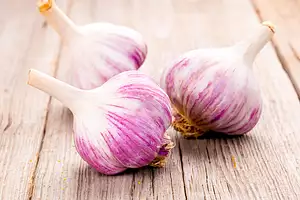
Gizzards take to bold, acidic, aromatic company. Garlic, onion, bay, vinegar, soy, chili, and plenty of black pepper all stand up to their density. A splash of acid near the end cuts the richness and wakes up the whole pot.
The number one mistake is undercooking. Pull a gizzard off the heat at 20 minutes and it fights back like a rubber band, which sends most first-timers away thinking they hate the texture.
The fix is patience. Give the collagen the long, moist heat it needs and it converts to gelatin, leaving the meat tender and the broth silky. Trimming the tough silver-blue membrane and any gristle before cooking also helps the final bite.
Substitutes
Chicken hearts are the closest swap and often sold in the same package; they cook faster and turn tender in 30 to 40 minutes of simmering, so add them later. The two are frequently braised together.
For the chew without offal, thigh meat cut into chunks gives a similar dark, savory pull in stews and dirty rice, though it lacks the dense bite.
Turkey gizzards work identically but are larger and need a longer simmer. Pork stomach, used in many cuisines, fills the same chewy, slow-cooked role.
Buying and Storing
Fresh gizzards should look plump and reddish-brown with a clean smell and no slick or sour film. Many are sold already cleaned and split; if not, trim the tough membrane and rinse away any grit caught in the folds.
Treat them like any raw poultry. Refrigerate at 40°F (4°C) or below and cook within one to two days, or freeze for up to three to four months. Thaw in the fridge, never on the counter.
Cook chicken gizzards to a safe internal temperature of 165°F (74°C), the same target as all poultry. In practice you will blow well past that during the long simmer they need anyway, so safety and tenderness point the same direction.
Quick facts
Where to find chicken gizzards: Chicken gizzards are usually found in the poultry section or aisle of the grocery store or supermarket.
- In Chinese
- 鸡胗
- British (UK) term
- Chicken gizzards
- en français
- gésiers de poulet
- en español
- mollejas de pollo
Recipes using chicken gizzards
There are 7 recipes that contain this ingredient.

Giblet Gravy (For Poultry)


Classic giblet gravy made the old-fashioned way: simmered chicken or turkey giblets folded into a rich pan-drippings roux thickened with their own savory broth. The from-scratch holiday gravy your bird deserves.

Granny's Chicken Okra Gumbo with Sausage
Granny's chicken and sausage gumbo, built on a deep brown roux and loaded with okra, smoky sausage, and tender chicken. Thickened twice with okra and file, simmered low, and ladled over hot rice.
Chicken Stock or Broth
Rich homemade chicken stock built from gizzards and necks simmered for over 2 hours with onion, carrot, garlic, and peppercorns. Yields 2 quarts of liquid gold for soups, sauces, and braises.
Whole Roasted Chicken Stuffed with Dirty Rice

A Cajun showstopper: whole roasted chicken rubbed with Creole seasoning and stuffed with homemade dirty rice built on a dark roux, gizzards, ground pork, and the holy trinity.
Chicken & Noodle Soup with Vegetables
Old-fashioned chicken noodle soup simmered from scratch with a whole chicken, gizzards, egg noodles, and fresh vegetables. A 3-hour Sunday supper that feeds 14 hungry souls.
Dirty Rice
Cajun dirty rice with ground chicken gizzards, livers, and pork cooked in the holy trinity with Tabasco, cumin, and paprika. Authentic bayou flavor in every forkful.

Mahalia Jackson's Okra Gumbo
Mahalia Jackson's okra gumbo, a soulful Louisiana feast of crab, shrimp, beef, ham, sausage, and chicken in a tomato-okra base, built on a from-scratch shrimp-shell broth. Big-batch comfort, ladled over rice.