What Are Beet greens and How Can I Use Them?
Wondering what to do with beet greens? This guide covers how to pick them, cook them, store them, and swap them, plus 11 recipes to put them to work.
Key Points
- The leafy tops of beets, botanically the same plant as Swiss chard
- Cook the stems first, then the leaves; saute or braise like chard or spinach
- A whole bunch shrinks to a small mound, so cook more than looks right
- Pairs with garlic, lemon, nuts, raisins, and salty cheese; finish with acid
- Separate greens from roots at home and use within three to four days
What are beet greens?
Beet greens are the leafy tops attached to a bunch of beets, and they are easily the most thrown-away half of the vegetable. The leaves are dark green with red or pink veins, and the whole thing tastes like a milder, sweeter relative of chard.
That family resemblance is no accident. Beets and Swiss chard are the same species, so the greens cook and taste almost identically. If you have ever bought a beet with the tops still on, you have already paid for a second vegetable hiding in the bag.
Treat them the way you would chard or spinach and they earn their keep, whether sauteed in a few minutes or braised down soft.
How to Cook Beet Greens
Separate the leaves from the stems before you start, because the stems take longer. Slice the stems into short pieces and give them a head start in the pan, then add the chopped leaves once the stems have softened.
A quick saute is the everyday move. Warm olive oil with sliced garlic, add the stems for a couple of minutes, and follow with the leaves until they wilt and turn glossy.
Sauteed Beet Greens with Toasted Almonds and Sauteed Beet Greens & Herbed Goat Cheese Crostini both build on this base.
Braising suits the tougher late-season bunches. A splash of stock or water with a lid lets them go silky over ten minutes or so, the approach behind Braised Beet Greens with Vinegar & Sesame Seeds.
They also fold into bigger dishes: a Beet Green Souffle, a Cheesy Beet Green Gratin, or tossed through Pasta with Beet Greens & Raisins.
The leaves shrink dramatically. A whole bunch cooks down to a small mound, so use more than looks reasonable.
Pairing and Common Mistakes
Beet greens have a mild earthiness that takes well to bold partners. Garlic, lemon, a hit of vinegar, toasted nuts, sesame, raisins, and salty cheeses like feta or goat cheese all play nicely, and warm spices work too, as in Beet Greens with Indian Spices.
A finishing acid is the move that makes them sing. A squeeze of lemon or a splash of vinegar at the end cuts the slight mineral edge and wakes everything up.
The biggest mistake is tossing the stems or overcooking the leaves. The stems are crunchy and pleasant when cooked properly, and the leaves go from tender to slimy if you walk away. Pull them off the heat the moment they wilt.
The other mistake is skipping the wash. Beet greens trap grit in their crinkled leaves and stem bases, so dunk them in a bowl of cold water and lift them out before cooking.
Substitutes
Swiss chard is the closest stand-in by a wide margin, since it is botanically the same plant; use it leaf for leaf with no adjustment. Rainbow chard even mimics the colorful stems.
Spinach works when you want something milder and faster, though it cooks down even further and loses the sturdy stem. Mature spinach holds up better than baby spinach here.
For a sturdier, more assertive swap, kale or collard greens stand in well, especially in braises. They are tougher and a bit bitter, so give them a few extra minutes and a little more liquid to soften.
Buying and Storing
Look for beet greens that are perky and deeply colored, with crisp stems and no yellowing or slime. The freshest tops come attached to firm beets with the leaves still standing up rather than flopping over.
Here is the key storage step. Separate the greens from the roots as soon as you get home, because the leaves pull moisture from the beets, so left attached the roots go soft and the greens wilt faster.
Twist or cut the tops off, leaving an inch of stem on the beet. Store the unwashed greens loosely wrapped in a damp paper towel inside a bag in the crisper drawer.
They keep about three to four days, less than the roots, so cook them first. Wash only right before cooking, since wet leaves rot quickly in the fridge.
If they start to wilt before you get to them, a ten-minute soak in cold water often revives them enough to cook.
Quick facts
- In Chinese
- 甜菜
- British (UK) term
- Beet greens
- en français
- feuilles de betteraves
- en español
- hojas de remolacha
Recipes using beet greens
There are 11 recipes that contain this ingredient.
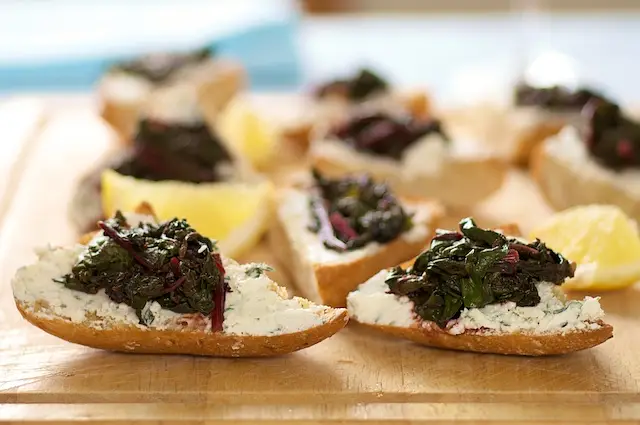
Sauteed Beet Greens & Herbed Goat Cheese Crostini


Simply saute the beet greens with some garlic, a little olive oil and balsamic vinegar, mix the soft goat cheese with some fresh thyme leaves, which are placed on top of toasted bread. Great flavor and texture all in one bite.
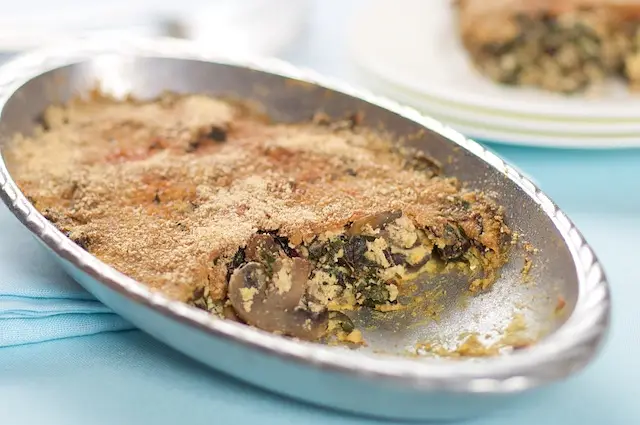
Cheesy Beet Green Gratin
A delicious way to cook the beet greens into a delicious dish. You can use kale, collard or any similar leafy green to make this creamy and tasty gratin.
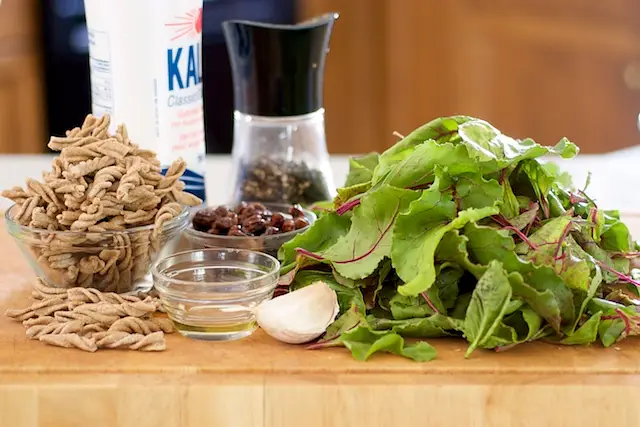
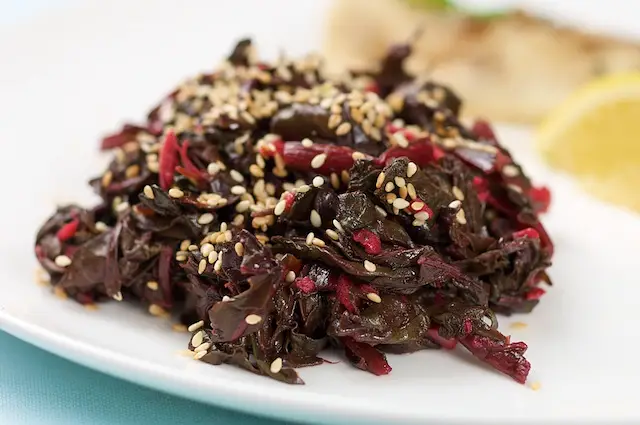
Braised Beet Greens with Vinegar & Sesame Seeds
Quick, easy and tasty. Vinegar, a bit garlic, cayenne and sesame seeds make these simple beet greens taste amazingly delicious.
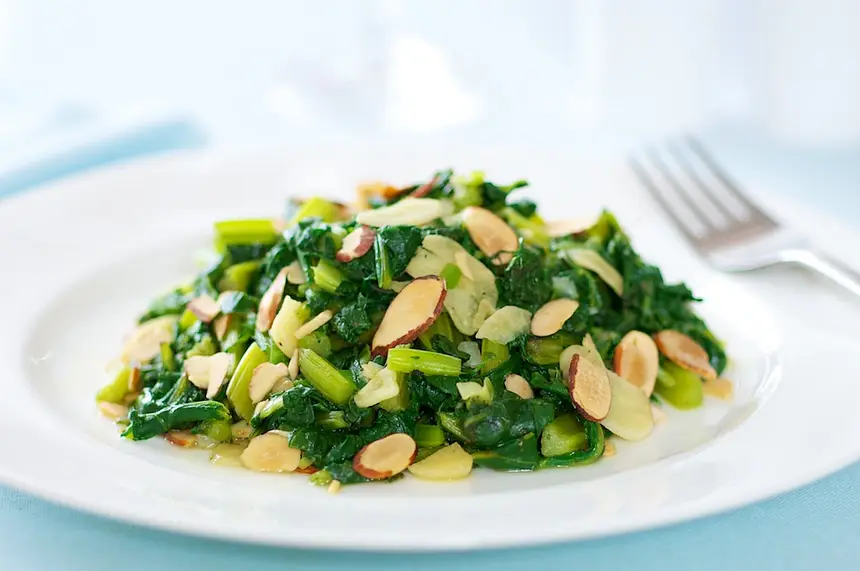
Sauteed Beet Greens with Toasted Almonds
A quick, easy yet tasty recipe to cook Swiss chard, or any similar greens. Serve it as a side dish to accomplish your main course, or grab a few slices of crusty bread to complete a light, wholesome yet delicious meal.
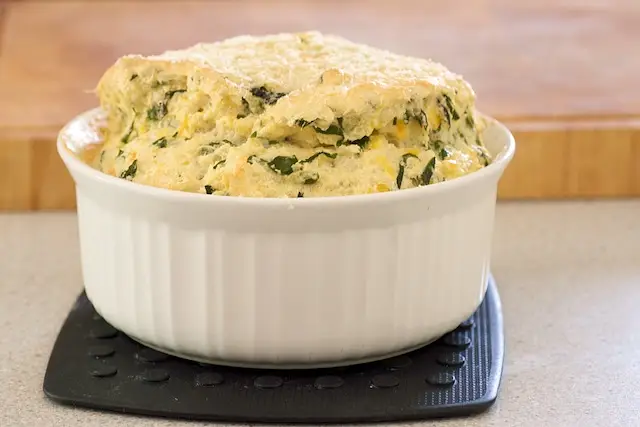
Beet Green Souffle
This may be one of the most exceptional souffles you'll ever serve. The beet color spreads upward from the bottom layer, creating a rosy hue throughout.
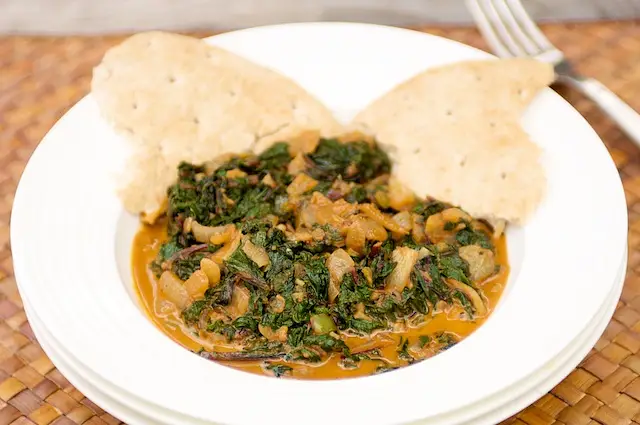
Beet Greens with Indian Spices
Any tender green can be used in this recipe. Wilted and sautéed greens are brightened with Indian spices with a touch of creaminess.
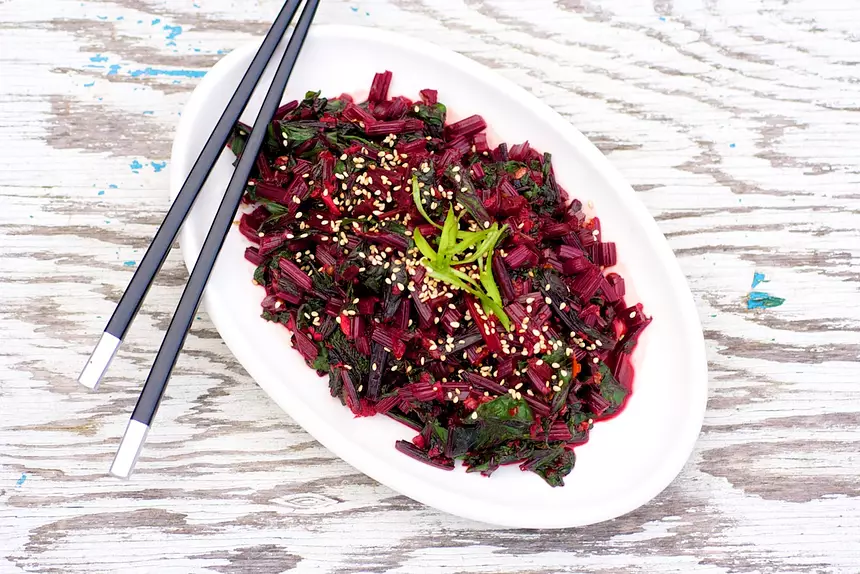
Asian Beet Greens Stir-Fry
Beet greens are sauteed with ginger, garlic, scallions and tossed with soy sauce, chili bean sauce, sesame oil, and sesame seeds. A tasty and light stir-fry that can be served as a side dish or with some rice, or a few slices of bread to become a light meal.

Veal Farsu Magru
Also known as farsumagru, or "false lean," this Italian Sicilian recipe uses lean, low-fat meats to create a rich Italian meat roll.
Pan-Roasted Rabbit with Fresh Herbs
Pan-roasted rabbit marinated two days in brandy, red wine, juniper berries, and fresh herbs, then braised with chicken stock and served over wilted spinach and beet greens. A classic French farmhouse dish.

Beet Soup
Sweet, earthy beets are transformed into a refreshing chilled soup in this no-fuss beet soup recipe.