What Are Truffles and How Can I Use Them?
Truffles rewards a little know-how: how to choose them, cook them, store them, and substitute in a pinch. Browse 16 recipes to cook with them.
Key Points
- Wild aromatic fungi dug from tree roots, shaved raw over food, not a saute mushroom
- Black truffle takes gentle heat; white truffle is used raw only, off the heat
- Aroma is volatile, so add late and shave paper-thin to make a little go far
- No true substitute; truffle oil, butter, or dried porcini chase the effect
- Highly perishable: refrigerate in a jar, use within a week, sooner for white
What are truffles?
Truffles are wild, intensely aromatic fungi that grow underground around the roots of oak and hazel trees. They are dug, not picked, usually with trained dogs that scent the ripe ones beneath the soil.
A truffle is not a mushroom you saute. It is a perfume you shave over finished food.
The two that matter in the kitchen are the black truffle and the white truffle. Black truffles hold up to gentle heat and bring a deep, earthy note close to chocolate and forest floor.
White truffles are more delicate and pungently garlicky, and they collapse under heat, so they are only ever used raw.
Both are luxury ingredients, sold by the gram for an aroma that fills a room. A little goes a remarkably long way.
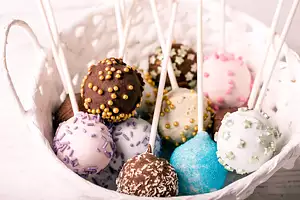
On Recipeland the word "truffles" almost always means this fungus, not the chocolate ganache candy that borrowed its name and craggy look.
Cooking With Truffles
The golden rule is shave thin and add late. Truffle aroma is volatile and fades with heat, so you finish a dish with it rather than cooking it in. A handheld truffle slicer or a sharp peeler gives the paper-thin shavings that release the most scent for the least truffle.
Pair them with quiet, fatty backdrops that carry the aroma without fighting it: eggs, butter, cream, fresh pasta, and potato. Pasta with White Truffles, Olive Oil, Parmesan & Basil is the template, with warm noodles, fat, cheese, and a snowfall of raw white truffle off the heat.
Black truffle takes a little more cooking and works shaved into a sauce or under the skin of poultry. Loin of Veal with Truffle Sauce and Master Chef Beef Wellington both fold it into rich, slow preparations, while Pâté Maison studs a coarse forcemeat with it.
For an everyday taste of the flavor, truffle oil and truffle butter carry the aroma into stews like Succulent Truffled Potato Stew without the cost of the whole fungus.
Pairing and Common Mistakes
Truffles love fat and restraint. Cream, egg yolk, and aged Parmesan let the aroma spread, while bold spices and sharp acid bury it. Keep the rest of the plate calm.
The biggest mistake is heat. Throwing white truffle into a hot pan or simmering it in a sauce drives off the very compounds you paid for, leaving an expensive, flavorless slice. Shave it over the plate at the table instead.
The second mistake is buying too early. The aroma fades a little every day after harvest, so a week-old truffle is a shadow of a fresh one. Buy it close to when you will eat it.
Beware truffle oil that lists no actual truffle. Most supermarket truffle oil is sunflower oil flavored with a lab-made aroma compound, fine for a hint but nothing like the real thing.
Substitutes
There is no true substitute for fresh truffle; the aroma is singular. But you can chase the effect from a few directions depending on the dish.
Truffle oil or truffle butter is the practical stand-in, brushed on at the end the same way you would shave the fungus. Use it sparingly, since the synthetic versions turn harsh and chemical fast.
Truffle paste and truffle salt give a milder, preserved version of the flavor for sauces and spreads. For pure earthy depth without the perfume, a handful of dried porcini, ground or steeped, brings the woodsy background note, though none of the heady top aroma.
Buying and Storage
Buy truffles firm and fragrant, as fresh as you can find. A good one is heavy for its size, gives off a strong scent through the bag, and has no soft or mushy spots.
Seasons are short. Fresh black truffle peaks in winter; fresh white truffle runs a narrow autumn window, roughly October to December.
They are perishable and do not keep. Wrap the truffle loosely in paper towel, seal it in a jar in the refrigerator, and change the towel daily as it draws out moisture. Use it within about a week, sooner for white.
A classic trick is to store the truffle in a sealed jar with raw eggs or rice. The porous shells and grains soak up the aroma within a day or two, giving you truffled eggs or truffled risotto for nearly free.
For longer keeping, freeze a whole truffle in an airtight bag and grate it from frozen straight onto the dish. The texture suffers, but the aroma survives well enough for cooked food.
Quick facts
- In Chinese
- 松露
- British (UK) term
- Truffles
- en français
- truffes
- en español
- trufas
Recipes using truffles
There are 16 recipes that contain this ingredient.
Filetto Sorpresso Don

Filetto sorpresso don is a butterflied filet mignon stuffed with prosciutto, mozzarella, and truffle, then breaded, pan-seared, and finished in white wine and lemon pan juices.
Crayfish & Poached Quail Eggs Salad
Crayfish and poached quail egg salad pairs court-bouillon-poached crayfish with delicate soft quail eggs over greens, dressed in a truffle and dill vinaigrette. An elegant composed seafood starter.
Succulent Truffled Potato Stew
Truffled potato stew with new potatoes braised in white wine and vegetable consomme with leeks, garlic, and thyme. Finished with shaved fresh truffles and asparagus tips.
Warm Vegetable Salad with Truffles
Warm vegetable salad with julienned carrots, turnips, celery, tomatoes, green beans, and snow peas on mache and radicchio, dressed in shallot vinaigrette and garnished with fresh truffles.
Pasta with White Truffles, Olive Oil, Parmesan, & Basil

Pasta with white truffles tosses al dente angel hair in dark green extra-virgin olive oil, basil, and Parmesan, then crowns each plate with shaved fresh white truffle. The ultimate minimalist Italian luxury pasta.

Frozen Orange Truffle Souffles
Cold orange truffle souffles: an airy Grand Marnier orange mousse set in collared ramekins to rise like a baked souffle, each hiding a chocolate truffle in its center. A no-bake, make-ahead showstopper dessert.
Chocolate Truffle Pound Cake

Buttery chocolate truffle pound cake baked in a Bundt pan with 5 eggs for a dense, velvety crumb. Semi-homemade with a pound cake mix and real chocolate truffles folded in.
Simple Pate
Chicken liver pate with brandy, dry sherry, and unsalted butter, finished with a hint of marjoram and optional truffles. Silky smooth and served chilled as an elegant appetizer.
Loin of Veal with Truffle Sauce
Loin of veal braised in butter with mushrooms, tomatoes, and marjoram, finished with a truffle sauce made by soaking chopped truffles in cognac for 1-2 hours. Serves 8.
Ham Mousse in Sherry Aspic
Ham mousse in sherry aspic is a classic French charcuterie showpiece. Ground ham folded into whipped cream, set in a crystal-clear aspic with truffle and egg white garnishes.
Mousseline of Scallops & Salmon
Mousseline of scallops and salmon, a silky two-tone seafood mousse with a truffled scallop outer layer and a salmon center, steamed in ramekins and served on sauteed spinach with a beurre blanc. An elegant French starter.
Awesome Pate Maison
Pate maison: a French country pate of coarsely ground pork, chicken livers, peach brandy, whole peppercorns, and truffles, baked in a fat-lined terrine and chilled overnight.
Master Chef Beef Wellington
Beef Wellington wraps a roasted beef tenderloin in foie gras, mushroom duxelles, and puff pastry, served with a Madeira-truffle sauce. The classical French restaurant centerpiece for special occasions.
Amazing Pasta with Cream Truffle Sauce & Fresh Mushrooms
Amazing Pasta with Cream Truffle Sauce and Fresh Mushrooms recipe
Breast of Pheasant Under Glass
Breast of pheasant is served under glass to hold in the cognac flavor that makes this dish so unique.