What Is Soy bean paste and How Can I Use It?
Here's everything worth knowing about soy bean paste and how to pick it, what it is, how to store it, and what to use instead, plus 9 recipes to cook tonight.
Key Points
- Thick fermented-soybean paste with deep umami, much saltier and funkier than soy sauce.
- Covers a family: earthy Korean doenjang, mellow Chinese yellow bean, and chili-spiked Sichuan doubanjiang.
- Thin it into broth or bloom it in oil; a spoonful seasons a whole dish.
- Taste before adding more salt, and stir it briefly so it does not scorch and turn bitter.
- Red miso is the closest swap; keeps many months refrigerated thanks to its salt.
What is soy bean paste?
Soybean paste is a thick, savory paste made from fermented soybeans, the salty backbone of Korean and Chinese home cooking. Fermentation breaks the beans down into a deep, funky umami concentrate, far more intense and complex than soy sauce, with a coarse, chunky body rather than a thin liquid.
The label "soybean paste" covers a family of related products. Korean doenjang is earthy and pungent; Chinese yellow bean paste is mellower and a touch sweet; the chili-spiked Sichuan version, doubanjiang, brings heat.
They share a base of fermented soy and salt, and all of them season a dish from the inside out.
A spoonful does a lot of work. This is concentrated seasoning, not a sauce you pour freely.
How to Use Soybean Paste
Because it's so salty and dense, soybean paste is usually thinned and balanced before it goes in: stirred into broth, mashed with a little water or stock, or bloomed in oil at the start of a stir-fry to round off its raw edge.
In Korean kitchens it's the heart of doenjang jjigae (a rustic stew) and a building block for dipping sauces and marinades. In Chinese cooking the paste carries braises and stir-fries, where it clings to vegetables and meat and gives the dish its savory depth.
On Recipeland it seasons a bright Bean Sprouts with Tomatoes, builds the sauce in a Sichuan Stir-Fry Eggplant with Bell Peppers and Sichuan Stir-Fried Bok Choy with Red Chilis, and lends backbone to Korean Sweet & Sour Cold Noodles.
Pairing and Common Mistakes
Soybean paste loves garlic and ginger, scallion, sesame oil and chili, and a little sugar to balance its salt. It has a natural affinity for tofu, eggplant, mushrooms, pork, and leafy greens, all of which soak up its deep flavor.
The big mistake is adding salt on top without tasting. The paste is salty enough to season most dishes on its own, so go easy on any extra soy or salt until you've tasted.
The second mistake is scorching it. Dropped into screaming-hot oil and left, the paste burns and turns bitter fast; stir it constantly and only briefly, or melt it into liquid instead.
What to Use Instead
Miso is the most available swap, since it's the Japanese cousin of the same fermentation. Red miso comes closest to a hearty Korean doenjang; lighter white miso is milder and sweeter, so use a bit more.
For a Chinese dish, yellow bean sauce or hoisin (sweeter) can fill in. In a real pinch, a smaller amount of soy sauce gives the salt and some umami, but you lose the body and the deep fermented funk that make the paste worth using.
Buying and Storing
Look for soybean paste in jars or tubs in the Asian section, labeled doenjang, yellow bean, or soybean paste; read past the English name to see whether it's a plain paste or one that's been sweetened or spiced.
A short ingredient list, mostly soybeans and salt with a fermentation starter, signals a traditionally made product.
Refrigerate after opening. Thanks to its high salt and active fermentation, soybean paste keeps for many months, often close to a year, in a sealed jar in the fridge.
The surface may darken over time, which is normal oxidation, not spoilage. Just scrape it off or stir it in; discard the jar only if you see fuzzy mold or smell something genuinely off.
Quick facts
- In Chinese
- 大豆豆瓣酱
- British (UK) term
- Soy bean paste
- en français
- pâte de haricot de soja
- en español
- pasta de soja
Recipes using soy bean paste
There are 9 recipes that contain this ingredient.
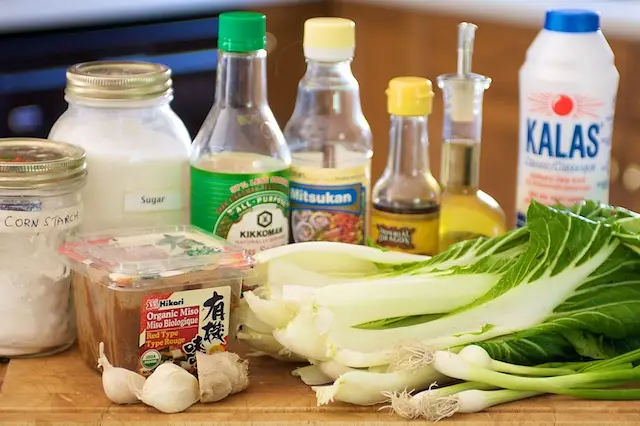
Stir-Fried Bok Choy with Chinese Sauce


Quick, easy and very tasty! Made this recipe a few days ago, it was simply delicious and we served it with fried rice that we made with the leftover rice. A delicious combination, and both of them together made a great meal.
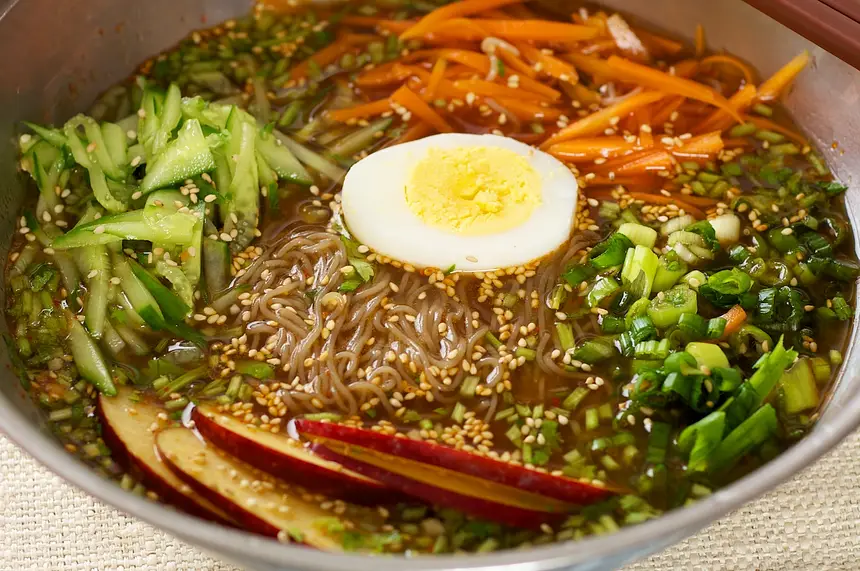
Korean Sweet & Sour Cold Noodles

This sweet and sour cold noodles dish is one of my favorites, it's particularly good on a hot summer day. Easy to make, and tastes refreshing and delicious.
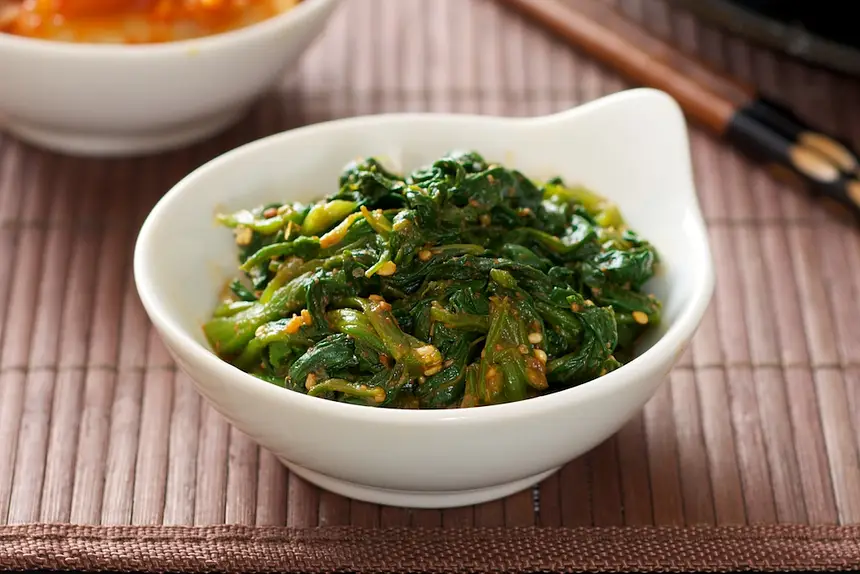
Spicy-Soy Spinach Salad
This tasty yet refreshing spinach salad is a classic Korean side dish that you can pretty much find in every Korean restaurant. It's quick, easy to make at home, it goes well with most of the BBQ, any meat dish, or just simply serve it with some steamed rice.
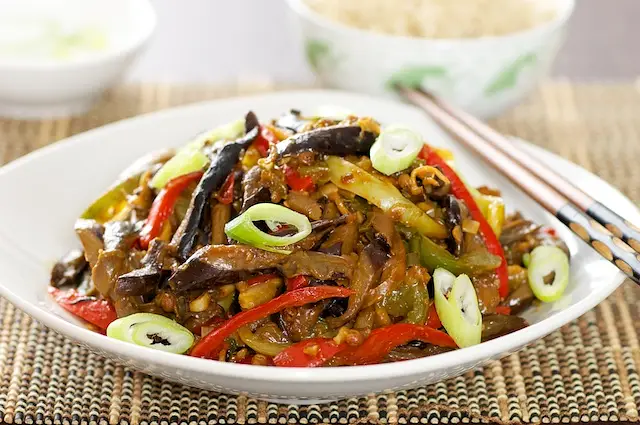
Sichuan Stir-Fry Eggplant with Bell Peppers
A classic Chinese sichuan stir-fry. There are lots of notes in this dish, spicy, sweet, fermented taste from soy bean paste, and Asian symbol flavor from garlic, ginger and scallions. In China, the eggplant is usually fried in a good amount of oil under a high temperature, and sometimes people add some minced pork to add flavor. It's a delicious and popular dish that you can find at every Chinese restaurant in China.
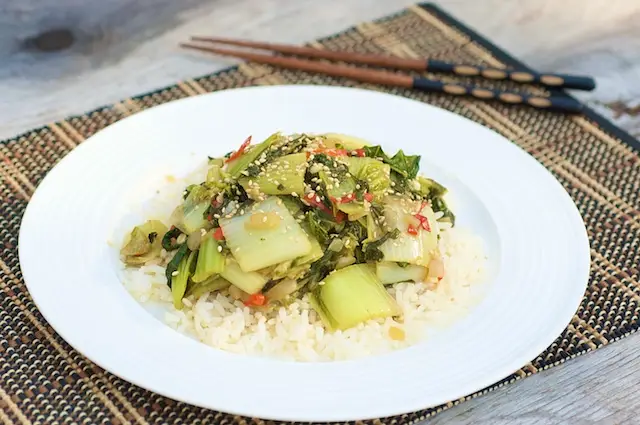
Sichuan Stir-Fried Bok Choy with Red Chilis
Sichuan peppers is the key ingredient in this recipe, ginger, garlic, scallions and fresh red chili peppers stir-fried with bok choy. Very juicy and tasty, great with some rice or noodles.

Stir-Fried Spinach
Thai-style stir-fried spinach with crushed garlic, soy bean paste, dried red chilies, and tomato wedges. A bold, savory side dish that comes together in the wok in under 5 minutes.
Spiced Cucumber Salad
Spiced Chinese cucumber salad with sesame oil, hot soybean paste, soy sauce, and lemon. A crunchy, spicy-tangy cold side dish that takes just minutes to prepare.

Cashew Chicken with Bell Peppers
Cashew chicken with bell peppers, a fast wok stir-fry of tender chicken, crunchy cashews, and sweet peppers in a savory soy and soybean-paste sauce. A quick, takeout-style weeknight dinner, gluten-free with tamari.

Bean Sprouts with Tomatoes
Thai-style wok stir-fry with crunchy bean sprouts, juicy tomatoes, soy bean paste, garlic, and fresh red chili. Topped with cilantro and scallions. Ready in 15 minutes.