What Is Pepperoncini peppers and How Can I Use It?
Wondering what to do with pepperoncini peppers? This guide covers how to pick it, cook it, store it, and swap it, plus 6 recipes to put it to work.
Key Points
- Mild pickled Italian and Greek pepper, about 100 to 500 Scoville, valued for tang not heat.
- Star of antipasto, Greek salad, and Italian beef sandwiches; the brine is as useful as the pepper.
- Cut rich, fatty, cheesy dishes with their acid rather than relying on them for spice.
- Pickled banana peppers are a near one-for-one swap, often a touch sweeter and milder.
- Unopened jars keep a year; once opened, refrigerate submerged in brine for one to two months.
What are pepperoncini peppers?
Pepperoncini are small, wrinkled peppers, light yellow-green, usually sold pickled in a tangy brine. They turn up in Italian and Greek cooking, where their job is brightness more than heat.
One bite is tart and a little sweet, with barely any warmth behind it.
On the Scoville scale they run about 100 to 500 units, milder than a jalapeno by a wide margin. That low heat is the whole point: pepperoncini add a vinegary pop without setting your mouth on fire.
How to Use Pepperoncini
Most cooks reach for the jarred kind, and that is exactly right for almost everything. They go straight onto an antipasto platter, into a Greek salad alongside feta and olives, or sliced into rings over pizza and sandwiches.
The brine matters as much as the pepper. A splash of it adds a sour edge to a salad dressing or a potato salad.
It is also the secret tang in a good Italian Beef Sandwiches, where whole pepperoncini and a ladle of their juice go right into the bun.
They cook into hot dishes too. Baked Chicken Murphy simmers them with chicken and potatoes so the vinegar cuts the richness, and they fold into the filling of a Rolled Calzones or get baked into a savory Greek Bread.
Pairing and Common Mistakes
Pepperoncini belong with salty, rich, fatty things. Feta, provolone, cured meats, and good olive oil all want that acidic lift.
They cut through a fatty Italian beef or a cheese-heavy calzone better than almost any other pickle.
The most common mistake is treating them like a hot pepper. They are not there for heat, they are there for acid, so do not swap them for something spicy and expect the same result. If a dish tastes flat, the fix is usually more brine, not more pepper.
The second mistake is wasting the brine. People fish out the peppers and pour the liquid down the drain, throwing away the most useful part. Keep the jar; that brine is a free quick pickle and dressing base.
Substitutes
The closest swap is the banana pepper, which looks similar and shares the mild, tangy character. Pickled banana peppers are nearly interchangeable, though often a touch sweeter and even milder. Use them one for one.
For the brine-and-crunch role, sliced pickled mild cherry peppers or a few rings of pickled jalapeno (if you accept the extra heat) will do. In a pinch, a chopped mild green olive plus a splash of white wine vinegar mimics the salty-sour hit, even if it loses the pepper texture.
Buying and Storing Pepperoncini
You will almost always buy them jarred, whole or sliced into rings, packed in vinegary brine near the pickles and olives. Look for firm, intact peppers in clear brine; mushy peppers or a cloudy jar mean they are past their best.
An unopened jar keeps for a year or more in the pantry. Once opened, store it in the refrigerator and keep the peppers fully submerged in their brine, where they stay crisp and good for one to two months.
Fresh pepperoncini are harder to find and show up mainly in late summer at farm stands. Treat them like any fresh chili: refrigerate in the crisper for about a week, or pickle them yourself in a hot vinegar brine to keep them for months.
Quick facts
- In Chinese
- pepperoncini辣椒
- British (UK) term
- Pepperoncini peppers
- en français
- piments pepperoncini
- en español
- pepperoncinis
Recipes using pepperoncini peppers
There are 6 recipes that contain this ingredient.
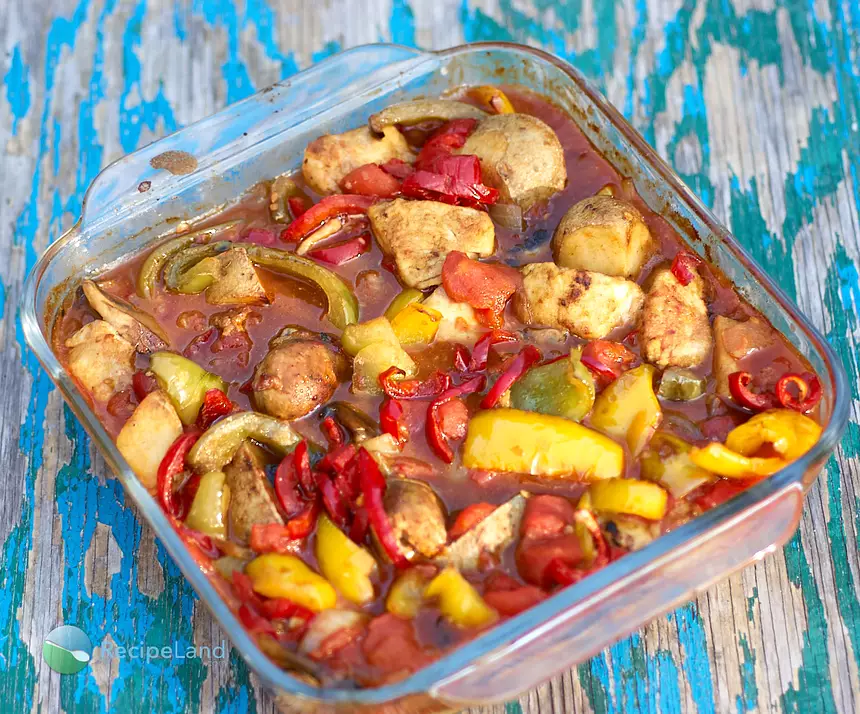
Baked Chicken Murphy


Delicious and easy to make. Chunks of chickens, sausages, and fresh veggies are cooked with stewed tomatoes, which makes lots of tasty sauce. Serve it over a bed of rice or spaghetti. YUM!
Exquisite Calzones
Three-cheese calzones stuffed with ricotta, provolone, and fontina plus prosciutto, olives, pepperoncini, and sundried tomatoes. Baked golden in bread-dough crescents, equally good piping hot or packed cold for a picnic.

Rolled Calzones

Rolled calzone stuffed with pesto, ham, capicola, provolone, roasted red peppers, and pepperoncini. Homemade herb pizza dough baked golden and sliced into pinwheels.

Cheese Ball Goblin-Halloween
Make these cheese ball goblin with your kids, they will enjoy making them, lots of fun!
Italian Beef Sandwiches
Slow cooker Italian beef sandwiches: chuck roast braised tender, shredded, and simmered with tangy pepperoncini, sweet peppers, and garlic, then piled on Italian bread. Feeds a crowd.

Greek Bread
A scrumptious bread recipe that calls for cream cheese, feta cheese and pepperoncini peppers.