What Are Egg whites, powdered and How Can I Use Them?
If egg whites, powdered have turned up in a recipe or caught your eye at the store, here's what you need to use them with confidence and how to choose them, cook them, store them, what to substitute, and 5 recipes to try them in.
Key Points
- Powdered egg white is pure pasteurized dried albumen that rehydrates and whips like fresh white.
- About 2 teaspoons powder plus 2 tablespoons warm water equals one egg white.
- Being pasteurized, it makes royal icing and no-bake fillings safe from raw-egg risk.
- Dissolve it fully and use a grease-free bowl, or the foam stays gritty and flat.
- Sealed and dry it keeps a year or more; clumping means it has taken on humidity.
What is egg whites, powdered?
Powdered egg white is egg white that has been pasteurized and spray-dried into a fine, pale powder. It is pure dried albumen with nothing added, so a spoonful rehydrated with water behaves like fresh white, foam and all.
Bakers reach for it for two reasons. It is shelf-stable, so there is no carton to use up, and because it is pasteurized it makes raw or barely-cooked recipes safe, which matters for icings and no-bake fillings.
For how the protein actually whips, see the egg whites page and the /recipes/eggs hub.
Reconstituting and Using It
The working ratio is about 2 teaspoons of powder whisked into 2 tablespoons of warm water to equal one fresh egg white. Let it sit a few minutes and stir again so the powder fully dissolves before you whip.
Reconstituted whites beat into a stable meringue and pipe into royal icing that dries hard for decorating cookies and gingerbread. Because the powder is pasteurized, this is the safe way to make those when the icing never gets cooked.
It also lifts no-bake desserts that lean on raw white, like the filling in this Key Lime Pie-Low Fat or the aerated layer in a Double Chocolate French Silk Pie. For a lighter set, fold it into a Chile Chocolate Mousse.
Getting a Good Foam
The grease rule still applies. Fat from a dirty bowl or any stray yolk will flatten the foam, so start with a clean glass or metal bowl.
Underhydrating is the common slip. If the powder has not fully dissolved you get gritty whites that never reach full volume, so always rest the mixture and whisk out any lumps first.
Some products are whole dried whites; others are blended with a little stabilizer and behave more like meringue powder. Check the label, because the sweetened blends change how much extra sugar a recipe needs.
Substitutes
The most direct swap is fresh egg white itself, where one white replaces the reconstituted equivalent and the pasteurization is the only thing you give up.
Meringue powder is the close cousin: dried whites already cut with sugar and stabilizer, ideal when you specifically want royal icing.
For a vegan foam, aquafaba whips like white, using about 3 tablespoons of chickpea brine per white, though it is not heat-pasteurized.
Buying and Storing
Look for it with baking supplies or cake-decorating gear rather than the dairy case, sold in cans or pouches.
Sealed and kept cool and dry, the powder lasts a year or more, well past the printed date as long as it stays away from moisture and odors.
Once opened, press the air out and reseal it tightly. Clumping is the first sign it has taken on humidity. Reconstituted whites are perishable like fresh ones, so refrigerate any extra and use it within a couple of days.
Quick facts
- In Chinese
- 蛋清,粉末
- British (UK) term
- Egg whites, powdered
- en français
- les blancs d'œufs en poudre
- en español
- claras de huevo, en polvo
Recipes using egg whites, powdered
There are 5 recipes that contain this ingredient.
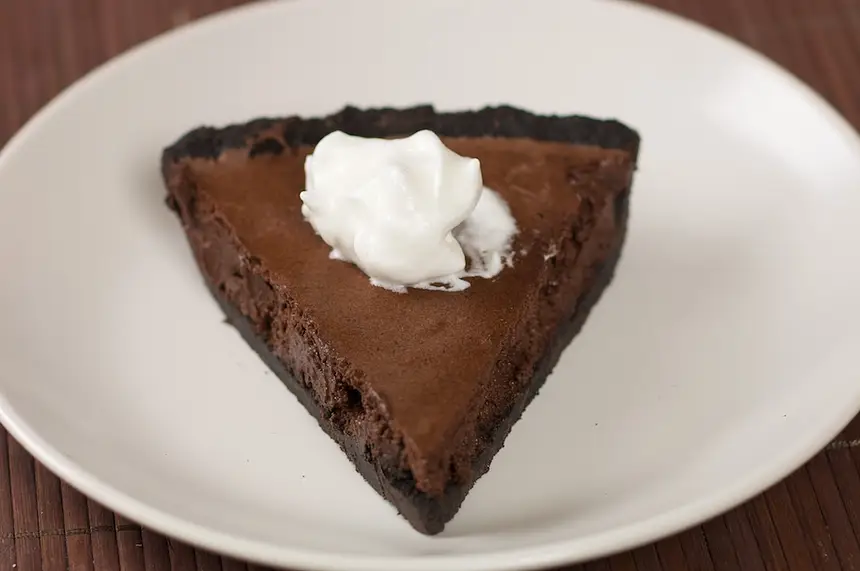
Double Chocolate French Silk Pie


If you are a chocolate fan, this is an excellent recipe for you to try without guilt, it is much lighter than normal chocolate pie. The thick chocolate taste will satisfy you. Also it is a great dessert for holiday.
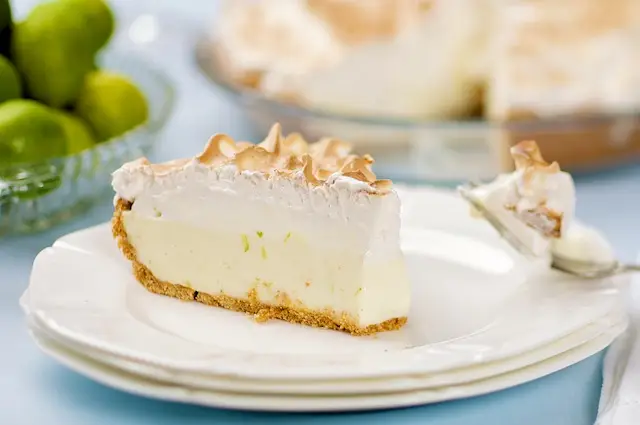
Key Lime Pie-Low Fat
This Key Lime Pie was so much lighter, and the meringue topping was fluffy, creamy and super light. Enjoy this delicious key lime pie without feeling guilty!

Chile Chocolate Mousse
Dark chocolate mousse spiked with Mexican chile powder and espresso, lightened with whipped egg whites instead of heavy cream. Rich, spicy, and impossibly airy.
Mocha Mousse
Mocha mousse made with semi-sweet and unsweetened chocolate, brewed coffee, cocoa powder, and whipped cream. A triple-chocolate coffee dessert that's airy, rich, and intensely dark.
Lemon Curd-Coconut Cake
Two-layer white cake filled with lemon curd, covered in fluffy seven-minute frosting, and pressed with shredded coconut. A classic Southern-style coconut cake with a tangy lemon surprise inside.