What Is Black tea and How Can I Use It?
Black tea is easier to cook with than it looks. Here's how to choose, use, and store it, what to substitute, and 8 recipes to get you started.
Key Points
- Fully oxidized Camellia sinensis leaf; the family behind Assam, Ceylon, Darjeeling, and Earl Grey
- Steep strong to flavor cakes and ice creams, or burn dry leaves to smoke poultry
- Brew at about 200°F for 3 to 5 minutes; longer or hotter turns it harshly bitter
- Swap in another black variety, or coffee for malty depth in savory cooking
- Store airtight away from light and odors; flavor holds about 18 to 24 months
What is black tea?
Black tea is the most oxidized form of the leaf from Camellia sinensis, the same plant that yields green and oolong tea. After picking, the leaves are withered and rolled, then fully oxidized, which darkens them and builds the brisk, malty, sometimes smoky character that defines the cup.
It is what most of the world means by plain "tea": English Breakfast, Assam, Ceylon, Darjeeling, and Earl Grey are all black teas.
In the kitchen it is far more than a drink. Its tannins lend grip and its color tints, while the aroma carries from braises through to baking.
Cooking With Black Tea
The simplest move is steeping. Brew a strong batch and use it as a flavored liquid: soak dried fruit for cakes, or build a spiced base for an ice cream like Adam's Chai Latte Ice Cream. The tannins add a faint grip that keeps sweet things from tasting flat.
Black tea also bakes beautifully. Strong tea plumps the dates and deepens the crumb in Monika's Black Tea & Date Bread, and tea-soaked raisins are a classic trick in fruitcakes and tea loaves.
Its most dramatic use is smoking. A handful of dry leaves mixed with rice and sugar, set over heat in a lined wok or pan, throws fragrant smoke that perfumes meat in minutes.
That is the engine behind Tea Smoked Duck with Smoked Walnuts and Tea-Smoked Turkey. The leaves also tint and flavor the brine for marbled Thousand-Year-Old Eggs.
Pairing and Common Mistakes
Black tea has a natural affinity for warm baking spices like cinnamon, cardamom, clove, and ginger, which is why chai exists. It also pairs with citrus and stone fruit on the sweet side, and with dark chocolate or smoked poultry on the savory one.
The biggest mistake is brewing it bitter when you want flavor, not astringency. Black tea steeped too long or in water that is too hot leaches harsh tannins. For cooking, use water just off the boil, around 200°F (93°C), and steep 3 to 5 minutes, no longer.
A second pitfall is treating all black teas as interchangeable. Malty Assam suits hearty bakes and chai, delicate Darjeeling can taste thin once buried in a recipe, and the bergamot in Earl Grey can clash with savory dishes. Match the tea to the job.
Substitutes
If a recipe calls for black tea and you have none, the closest swap is another black variety. Use a plain breakfast blend in place of Assam or Ceylon without much loss.
For the malty depth in a braise or marinade, a small amount of brewed coffee or a pinch of instant espresso stands in for color and bitterness, though it shifts the aroma.
In sweets that lean on chai, a chai spice blend with a little extra black tea, or even rooibos for a caffeine-free version, gets you close on flavor.
For smoking, other woods or smoking chips work, but nothing else gives that distinct toasty, slightly floral tea note, so keep a cheap bag of loose leaves on hand for it.
Buying and Storing Black Tea
Loose leaf usually beats bags for cooking because you can judge quality and control the dose, and broken-leaf grades steep strong, which is what most recipes want. Bags are fine in a pinch; just cut one open if you need loose leaves for smoking.
Buy what smells fragrant and looks glossy rather than dusty and gray. Black tea is shelf-stable but not immortal, and its aroma fades over time.
Store it airtight, in a cool cupboard away from light and strong odors, since tea readily absorbs nearby smells.
Kept that way, loose black tea holds good flavor for about 18 to 24 months. It will not spoil or turn unsafe after that, but a stale, flat box is worth replacing before it dulls your cooking.
Quick facts
- In Chinese
- 红茶
- British (UK) term
- Black tea
- en français
- thé noir
- en español
- té negro
Recipes using black tea
There are 8 recipes that contain this ingredient.
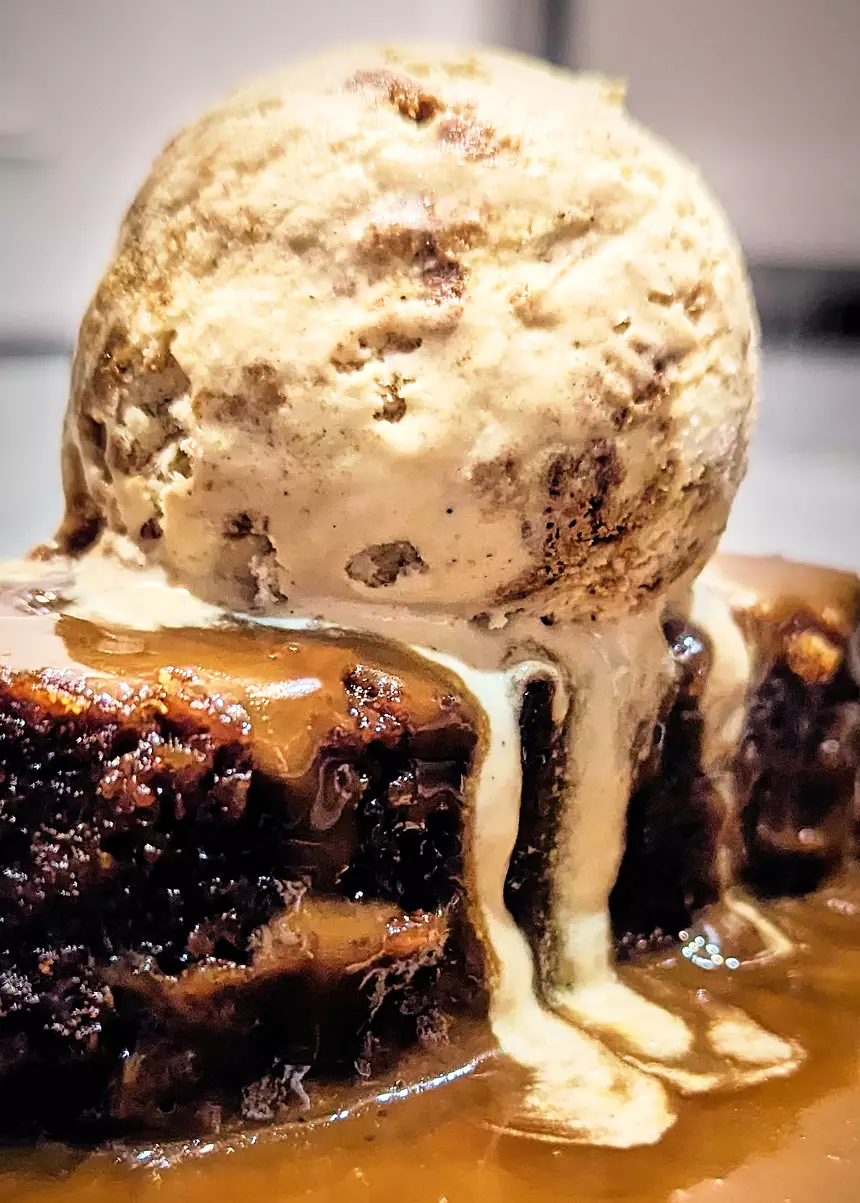
Adam's Chai Latte Ice Cream

My brother Adam loves this ice cream so much that I asked him for the recipe. It's a Chai Latte with chunks of gingerbread cookies hidden within.
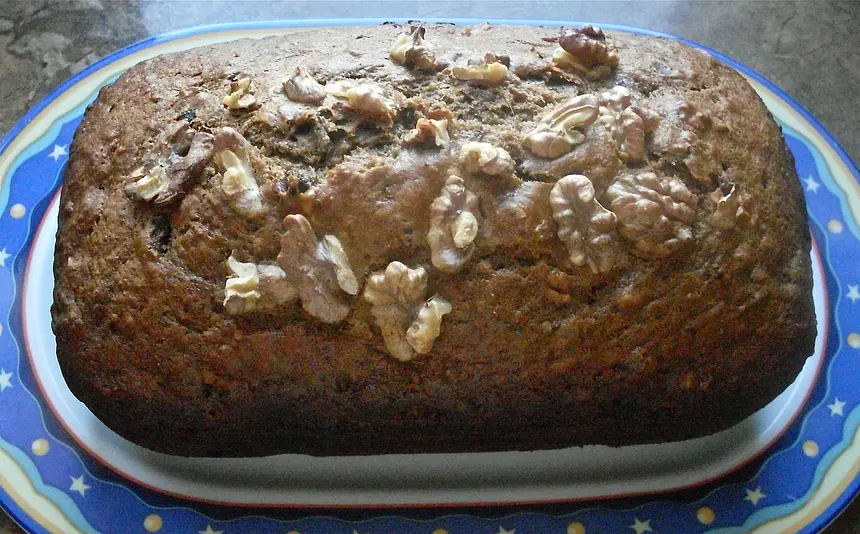
Monika's Black Tea & Date Bread

This recipe isn’t mine. It belongs to Monika, who lives in Hagen, Germany. I asked her to share the recipe around the world because her bread is delicious, and she gave me her approval. This bread is sweet but not too sweet, any salt at all, fine as a dessert, fits to milk soups (photo #9).
Prune & Almond Tart
French prune and almond tart with tea-soaked prunes nestled beneath a silky frangipane filling of ground almonds, egg, sugar, cream, and a splash of eau-de-vie. Finished with powdered sugar.
Tea Smoked Duck with Smoked Walnuts

Tea smoked duck marinated in soy sauce, Szechuan peppercorns, and five-spice powder, then slow-smoked with Chinese black tea and hickory chips. Served with plum sauce, scallions, and mandarin pancakes.
Tea Smoked Duck with Smoked Walnuts
Tea smoked duck marinated in soy sauce, Szechuan peppercorns, and five-spice powder, then slow-smoked with Chinese black tea and hickory chips. Served with plum sauce, scallions, and mandarin pancakes.

Tea-Smoked Turkey
Tea-smoked turkey thighs infused with black tea, fennel, ginger, and clove, then glazed with teriyaki and ketchup. Oven-smoked Chinese-inspired poultry without a smoker.

Thousand-Year-Old Eggs
Learn to make authentic Chinese century eggs (pidan) at home. Duck eggs cured for 100 days in a black tea, salt, ash, and lime coating transform into a prized delicacy with translucent whites and creamy green yolks.