What Is Vegetarian oyster sauce and How Can I Use It?
Here's everything worth knowing about vegetarian oyster sauce and how to pick it, what it is, how to store it, and what to use instead, plus 10 recipes to cook tonight.
Key Points
- A mushroom-based, usually shiitake, stand-in for oyster sauce with no shellfish, for vegan and vegetarian cooking.
- Salty, lightly sweet, and earthy with deep umami; darker and less syrupy than regular oyster sauce.
- Add a teaspoon or two near the end of a stir-fry as a glossy finishing glaze.
- Swaps one for one with regular oyster sauce; hoisin works but is sweeter and more five-spice forward.
- Refrigerate after opening and use within about six months; shake to recombine any separation.
What is vegetarian oyster sauce?
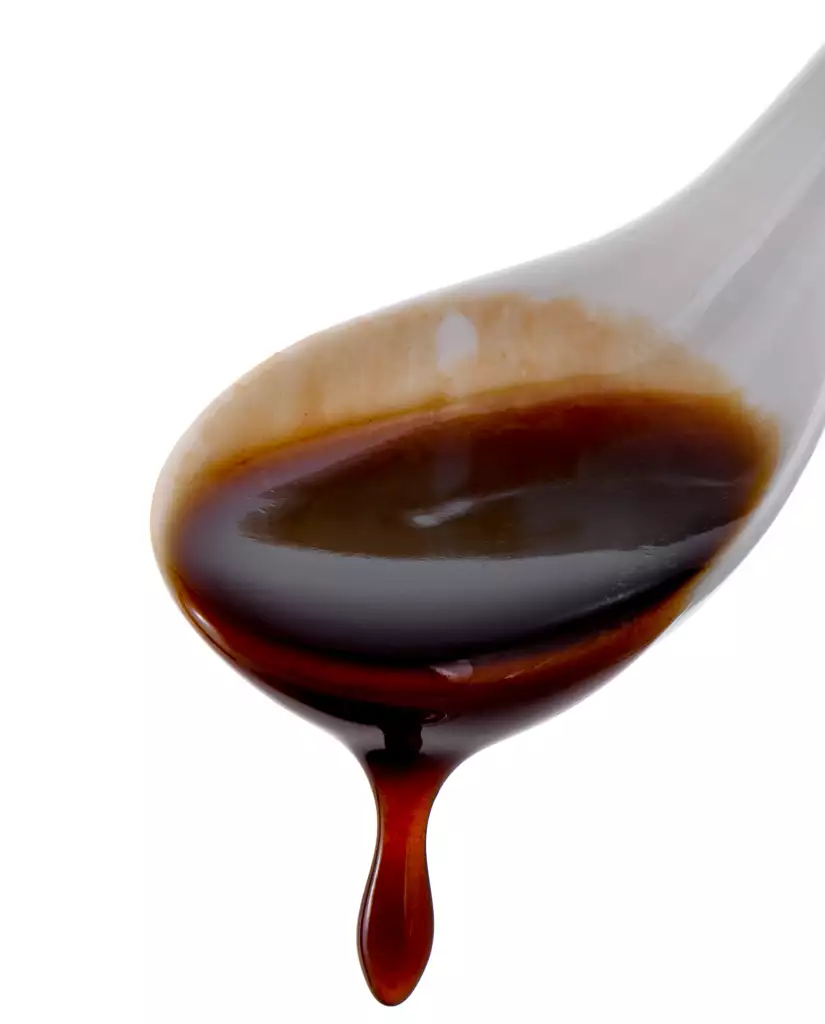
Vegetarian oyster sauce is a thick, glossy brown sauce built to mimic the savory-sweet depth of real oyster sauce without any shellfish. Instead of oyster extract, it leans on mushrooms, usually shiitake, simmered down with soy sauce and sugar plus a touch of cornstarch for body.
The flavor is unmistakably umami: salty up front, lightly sweet underneath, with an earthy mushroom note where the briny ocean tang of the original would be. It is darker and slightly less syrupy than most regular oyster sauce, but it coats vegetables and noodles the same way.
If you cook for vegans or vegetarians, this is the one bottle that lets classic Cantonese stir-fries stay on the menu without compromise.
How to Use It
Treat it as a finishing glaze, not a marinade you cook for ages. Add it in the last minute of a hot stir-fry so the sugars catch a little on the wok without scorching into bitterness.
A teaspoon or two is usually enough for a single pan. The sauce is concentrated, and too much turns a dish muddy and oversalted fast.
It does its best work on leafy greens and tofu. Stir-Fried Greens with Oyster Sauce is the textbook use: blanched gai lan or bok choy, drained well, then tossed with a spoonful so the leaves go glossy.
For a heartier plate, it carries the Tofu, Bean Sprouts & Bell Pepper Stir-Fry and ties together Broccoli, Sweet Bell Pepper & Mushroom Fried Rice without any meat in the bowl.
Whisk it into a slurry with a splash of water and soy and a pinch of cornstarch before it hits the pan, and it thickens into a clinging sauce as the liquid reduces.
Cooking and Pairing
This sauce loves quick-cooked vegetables. Broccoli, bok choy, gai lan, snow peas, and eggplant all take to it, and it pairs naturally with garlic, ginger, scallions, and a few drops of toasted sesame oil at the end.
It also works beyond the wok. A spoonful deepens a pot of Asian Udon Noodle Soup or seasons the Sichuan Stir-Fry Eggplant with Bell Peppers, where its sweetness balances the chili heat.
The most common mistake is dumping it in cold and early. Added at the start of a long braise, the sugar and salt concentrate too far and the sauce turns flat and overly salty. Build your aromatics first, then add the sauce near the finish.
The second mistake is forgetting it is already salty. Cut back on any added soy sauce or salt in the recipe before you taste, then adjust up rather than fighting an oversalted pan.
Substitutes
Regular oyster sauce is the closest match if shellfish is not a concern, swapping one for one. The reverse swap also works: vegetarian oyster sauce stands in for the real thing in any recipe when you are feeding vegetarians.
Hoisin sauce gets you in the same sweet-savory neighborhood but is noticeably sweeter and more five-spice forward, so use a bit less and expect a different accent.
For a quick fix, stir soy sauce with a pinch of sugar and a little mushroom powder or finely chopped rehydrated shiitake. It will not have the same cling without cornstarch, but it covers the flavor.
A dark mushroom soy also approximates the depth in a pinch.
Buying and Storage
Look for it in the Asian aisle labeled "vegetarian oyster sauce" or "mushroom stir-fry sauce," often with a green cap or vegetarian mark. Lee Kum Kee and Wan Ja Shan make widely available versions. Check the label if you need it gluten-free, since many contain wheat-based soy sauce.
Read the ingredient list. The better bottles name shiitake or mushroom extract near the top, not just caramel color and sugar standing in for real flavor.
Store an unopened bottle in a cool, dark cupboard. Once opened, refrigerate it and use within about six months for the brightest flavor, though it keeps longer.
If you see separation or a layer of liquid on top, that is normal. Just shake the bottle before each use to recombine the sauce.
Quick facts
- In Chinese
- 素蚝油
- British (UK) term
- Vegetarian oyster sauce
- en français
- sauce huître végétale
- en español
- salsa de ostras vegetariana
Recipes using vegetarian oyster sauce
There are 10 recipes that contain this ingredient.
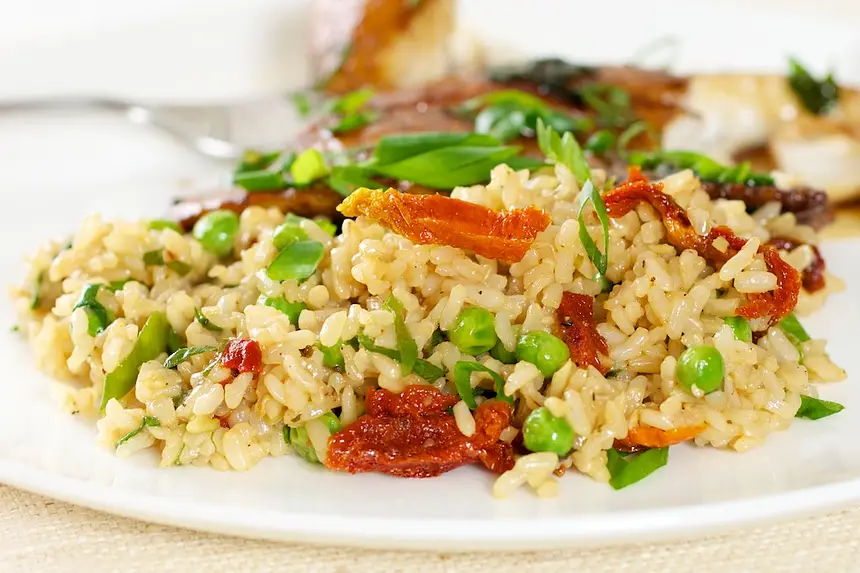
Fried Rice with Peas & Sun-Dried Tomatoes


Very easy to make, and packed with deliciousness. I ate it directly without anything else aside, like a whole meal for me. You can stir in one or two scrambled eggs at the end of the cooking to boost the protein.
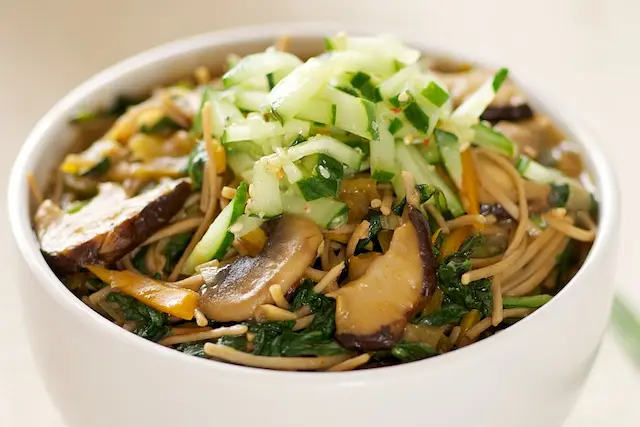
Soba Noodles, Mushroom & Tatsoi with Sweet-Sour Cucumber
This one pot dish is packed with deliciousness and goodness. Sauteed assorted mushrooms are cooked in a flavorful broth, lots of Asian yumminess will for sure make your tummy feel very happy.
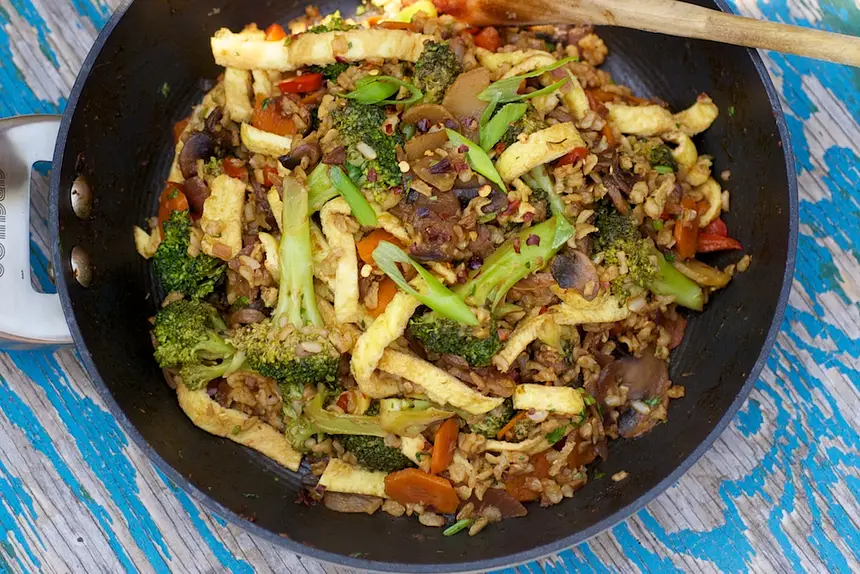
Fried Rice with Broccoli & Egg
Chinese fried rice is probably the most popular take-out food, it's quick-easy to make, and packed with flavors. Because of the simplicity, making it at home becomes so easy, and you can be creative too. No matter what it always comes out with great flavors and textures.
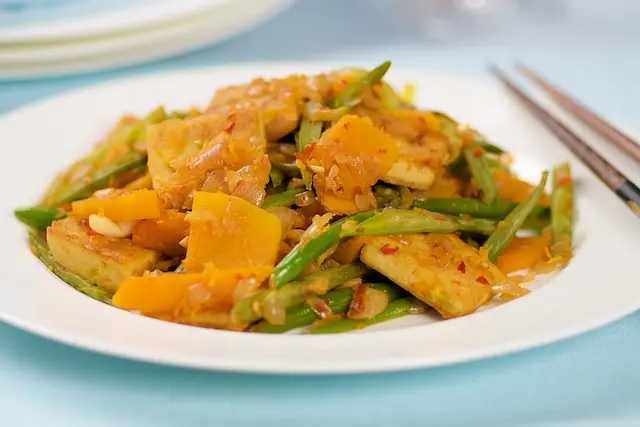
Butternut Squash, Green Beans & Tofu
Western-style stir-fry, that uses Sweet butternut squash balanced with a chili sauce. Quick, easy and tasty.
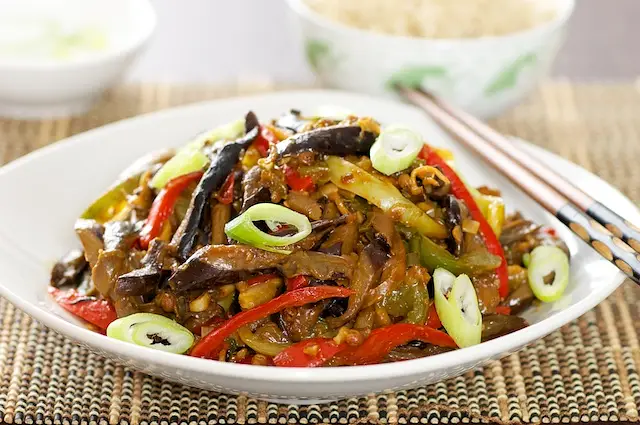
Sichuan Stir-Fry Eggplant with Bell Peppers
A classic Chinese sichuan stir-fry. There are lots of notes in this dish, spicy, sweet, fermented taste from soy bean paste, and Asian symbol flavor from garlic, ginger and scallions. In China, the eggplant is usually fried in a good amount of oil under a high temperature, and sometimes people add some minced pork to add flavor. It's a delicious and popular dish that you can find at every Chinese restaurant in China.
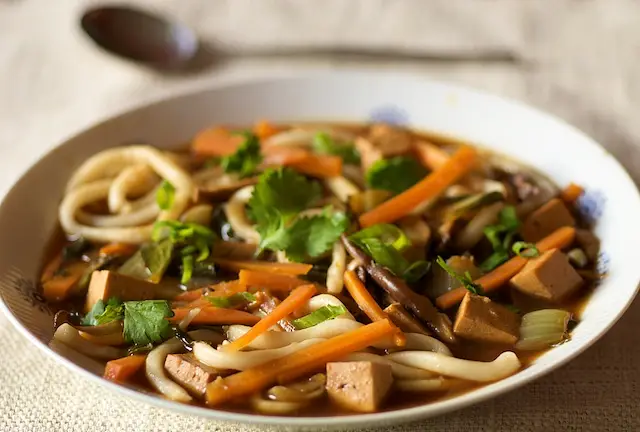
Asian Udon Noodle Soup
Shiitake mushrooms, tofu, bok choy and carrots are cooked together with ginger, sesame oil, oyster sauce and broth. Tons of fresh and delicious flavor. Yum!
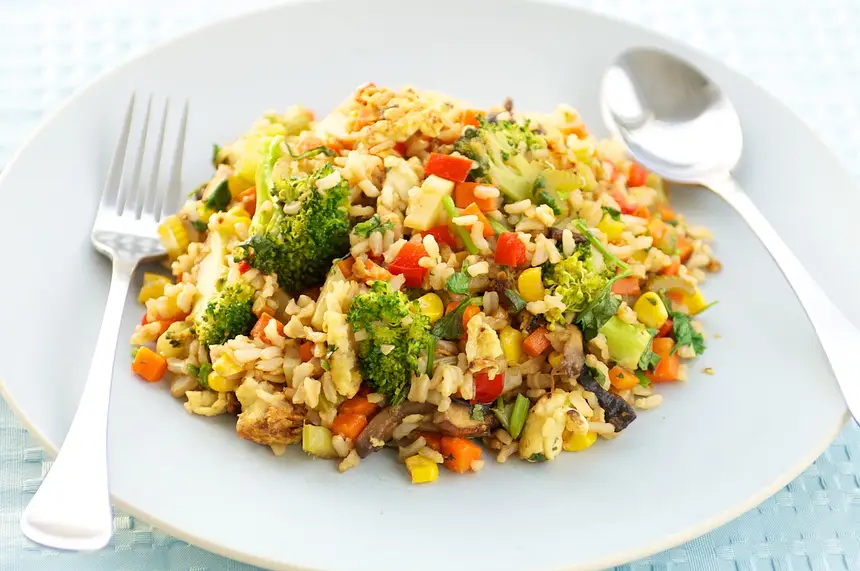
Broccoli, Sweet Bell Pepper & Mushroom Fried Rice
A quick and easy way to make your leftover rice into a delicious one pan meal. Feel free to add cooked meat. For a meatless version, add some scrambled eggs or browned tofu cubes.
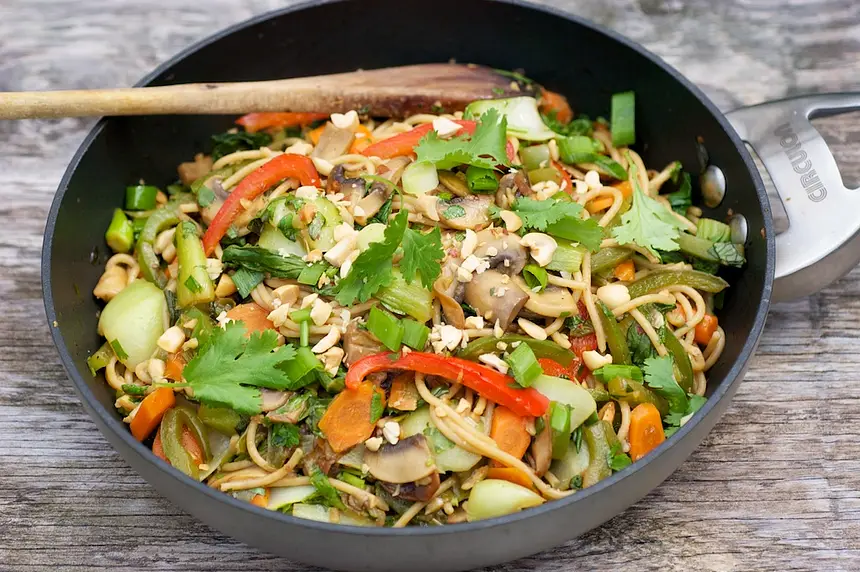
Chinese Stir-Fried Bok Choy with Spaghetti
Why order take-out, if you can whip up a delicious meal within about 20 minute. A quick, easy and tasty Chinese stir-fried veggies with spaghetti will ensure to make your tummy feel happy while satisfy your palate.
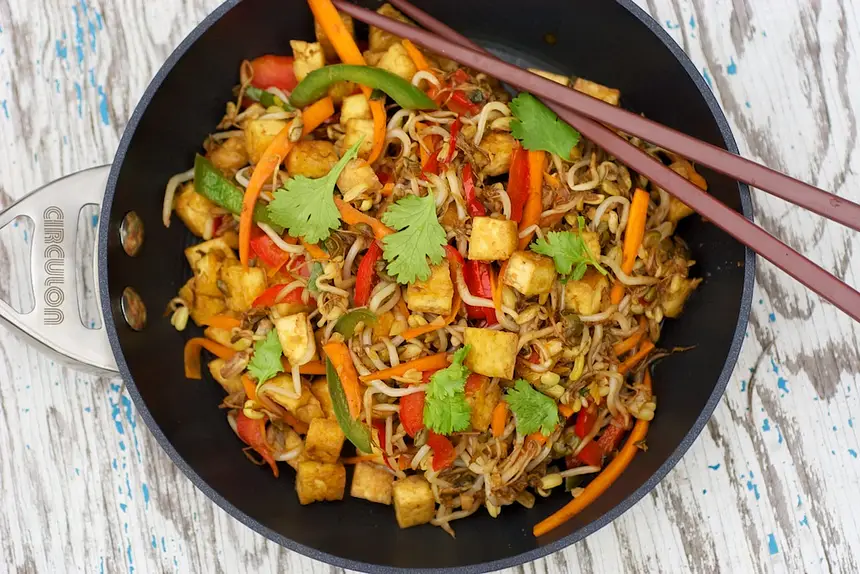
Tofu, Bean Sprouts & Bell Pepper Stir-Fry
Sprouted some bean sprouts last week, meanwhile I had some colorful bell peppers needed to be used up, then this was the quick-easy stir-fry I put together.

Stir-Fried Greens with Oyster Sauce
Collard greens go Thai-style in this quick wok stir-fry with garlic, soy sauce, bean paste, and vegetarian oyster sauce. Swap in bok choy, mustard greens, or broccoli for easy variations.