What Is Kabocha squash and How Can I Use It?
Here's everything worth knowing about kabocha squash and how to pick it, what it is, how to store it, and what to use instead, plus 3 recipes to cook tonight.
Key Points
- Japanese pumpkin with sweet, dry, chestnut-like flesh and a rind that is edible once cooked.
- Roast or tempura to keep it fluffy; simmer in soy-dashi broth for nimono.
- Buttercup squash is the closest substitute; butternut works but runs moister and milder.
What is kabocha squash?
Kabocha squash is a Japanese winter squash, often called Japanese pumpkin, with a squat green rind and deep orange flesh. Its appeal is being sweet and dry, with a fluffy, chestnut-like texture closer to a roasted chestnut or a good sweet potato than to a watery pumpkin.
The rind is edible once cooked, so there is no peeling. It is sweeter and far less stringy than the average jack-o-lantern pumpkin, which is why it stands in for pumpkin in soups and pies.
Cooking With Kabocha
The dry flesh is its whole appeal, so lean into it. Roasting and tempura keep that fluffy texture, and deep simmering in a soy-dashi broth (the Japanese dish nimono) is the other classic. Roast wedges at 400°F (200°C) until the edges caramelize.
It also blends into a thick, silky puree without any cream needed, as in Kabocha Squash Soup, Pumpkin-Millet Soup, and Kabocha Squash Chowder. The hard raw rind is tough to cut: microwave the whole squash for a couple of minutes to soften it, then use a heavy knife.
Buttercup squash is the closest swap, with the same sweet dry flesh. Butternut squash works too, though it is moister and milder.
Quick facts
- In Chinese
- kabocha壁球
- British (UK) term
- Kabocha squash
- en français
- kabocha courges
- en español
- kabocha calabaza
Recipes using kabocha squash
There are 3 recipes that contain this ingredient.
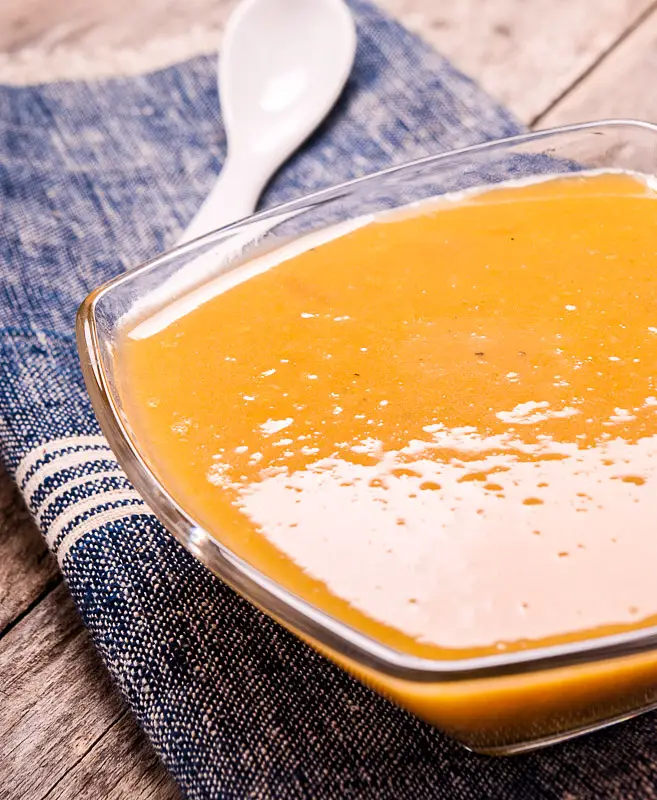
Pumpkin-Millet Soup


Pumpkin millet soup pairs nutty whole-grain millet with creamy kabocha squash for a vegan, gluten-free fall soup. Pureed into a velvety bisque, finished with nutmeg, cayenne, and a yogurt swirl. Five ingredients, plant-powered comfort.
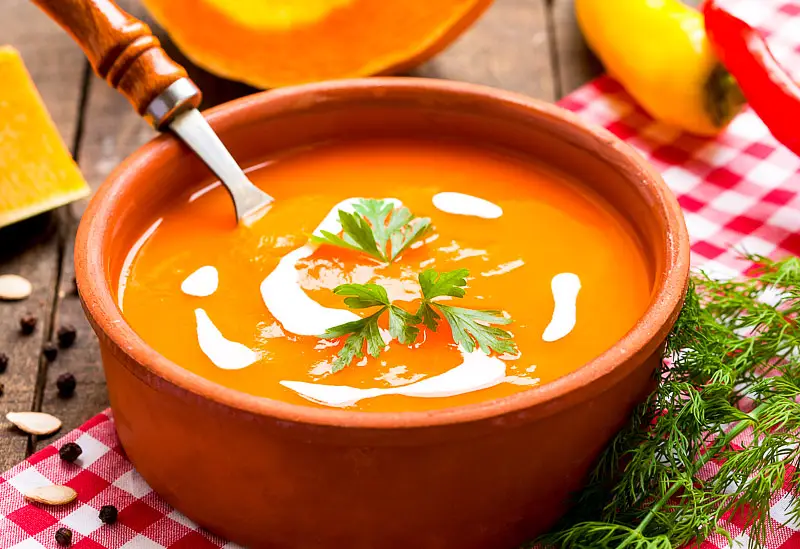
Kabocha Squash Soup

Kabocha squash, also known as Japanese squash, has a flavour between sweet potatoes and pumpkin. You can also use pumpkin or acorn squash in this recipe.

Kabocha Squash Chowder
Hearty kabocha squash chowder with smoky bacon, sweet bell pepper, and fresh thyme. Chunks of golden squash thicken the broth as they soften. Topped with smoked almonds for crunch.