What Is Gluten free flour mix and How Can I Use It?
If gluten free flour mix has turned up in a recipe or caught your eye at the store, here's what you need to use it with confidence and how to choose it, cook it, store it, what to substitute, and 3 recipes to try it in.
Key Points
- A gluten free flour mix blends rice flour, starches, and a gum binder to replace wheat.
- Cup-for-cup blends swap in by volume, reliable for cookies and muffins.
- The 1:1 promise holds far less for yeast bread and pastry that need gluten structure.
- If the mix has no xanthan or guar gum, add about ¼ teaspoon per cup.
- Rest the batter so the rice flour hydrates and the texture turns less gritty.
What is gluten free flour mix?
Gluten free flour mix is a blend built to replace wheat flour for people who cannot eat gluten. No single gluten-free flour works on its own, so these mixes combine several to mimic what wheat does naturally.
A typical blend starts with a neutral base like rice flour, adds starches such as potato or tapioca for lightness, and folds in a binder like xanthan or guar gum to take over the job gluten usually does of holding things together.
The result is sometimes sold as a one-to-one or cup-for-cup blend, meaning it is formulated to swap straight in for all-purpose flour by volume. For the wider family, see the flour hub.
Baking With a Gluten Free Mix
Reach for it in quick bakes that do not depend on a strong gluten network: muffins, cookies, pancakes, and simple cakes. These Gluten-Free Lemon & Chia Seed Muffins show the mix doing exactly that kind of work.
Yeast breads are harder. Without gluten, the dough behaves more like a thick batter than a stretchy dough, so it needs the binder, extra moisture, and often an egg to hold a crumb together, as in these Gluten Free Muffins Quick & Easy.
Let the batter rest a few minutes before baking. The rice flour and starches need time to drink the liquid, and resting cuts the gritty texture that rushed gluten-free batters can have.
Pairing and Common Mistakes
These mixes are nearly flavor-neutral, so they take on whatever you bake with them. Bold partners help: chocolate, citrus, brown sugar, and spices cover the faint rice-flour taste some blends carry.
The biggest mistake is trusting the "1:1" label too far. It is reliable for cookies and muffins, far less so for bread and pastry, where gluten structure really matters.
The second is forgetting the binder.
If your mix does not already contain xanthan or guar gum, you usually need to add about ¼ teaspoon per cup, or baked goods crumble apart.
Substitutes
If you do not have a packaged mix, a workable homemade blend is roughly two parts rice flour to one part starch (potato or tapioca), plus the gum binder. It is not as polished as a commercial blend but covers everyday baking.
For a single recipe, a nut flour like almond flour can carry cakes and quick breads on its own richness, though it bakes denser and is not a true all-purpose stand-in.
Buying and Storage
Read the bag. Some mixes already include xanthan gum and some do not, and that one detail changes how you bake. Cup-for-cup blends are the most forgiving for beginners.
Store the mix airtight in a cool, dry cupboard, where it keeps for months. Blends with whole-grain or nut flours carry more oil and go rancid sooner, so keep those in the fridge or freezer and smell before baking.
Quick facts
- In Chinese
- 无麸质面粉混合
- British (UK) term
- Gluten free flour mix
- en français
- mélange de farine sans gluten
- en español
- gluten mezcla de harina libre
Recipes using gluten free flour mix
There are 3 recipes that contain this ingredient.
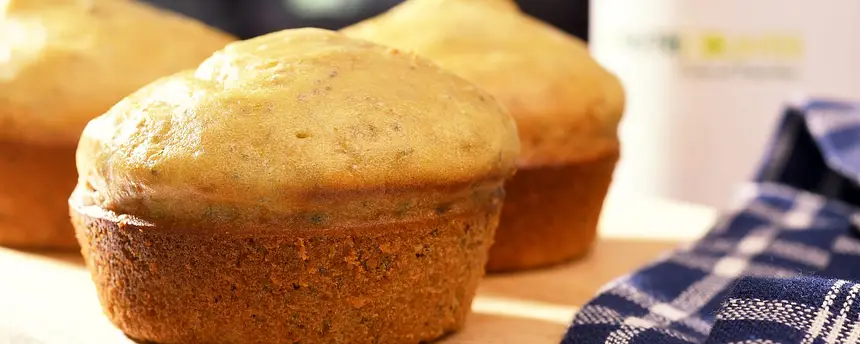
Gluten-Free Lemon & Chia Seed Muffins


Sometimes it is hard to get the texture just right when you are attempting the art of gluten-free baking. Gluten-free flour can often leave a gritty consistency that is not desirable in your baked goods. This recipe includes a not-so-secret ingredient which will help you tackle that problem with ease. Coconut oil is just the right thing to combine with your gluten-free flour to make your muffins come out light, airy and smooth. You won’t be able to tell the difference in these treats and their less healthy counterparts. The best part about this recipe is that you will be adding chia seeds. These little powerhouses are full of Omega 3 fatty acids to help control your cholesterol. They also offer lots of antioxidants and fibre to keep you feeling great. These little snacks are going to get you really excited about healthier baking, so let’s hear a big chia!
Gluten Free Muffins Quick & Easy

It's quite easy to make your own gluten-free muffins using these instructions for a gluten-free flour mix.