What Is Flour, italian and How Can I Use It?
Flour, italian is easier to cook with than it looks. Here's how to choose, use, and store it, what to substitute, and 2 recipes to get you started.
Key Points
- Italian "00" flour is defined by its fine milling, not its protein or strength.
- Its talcum-fine, extensible dough stretches thin without tearing, ideal for pizza and pasta.
- Check the protein: higher-protein 00 is for pizza and bread, lower for pasta and pastry.
- For pizza, bread flour is the most reliable swap; for pasta, all-purpose works well.
- Save 00 for thin, high-heat doughs; in cakes and cookies it adds little over regular flour.
What is flour, italian?
Italian flour usually means Italian "00" flour, the fine, soft, powdery flour at the heart of Neapolitan pizza and fresh pasta. The "00" (doppio zero) refers to how finely the wheat is milled, not to its protein, so 00 is the grind, not a strength rating.
That talcum-fine texture is the point. It hydrates evenly and makes a smooth, extensible dough that stretches thin without tearing, which is exactly what a pizzaiolo wants.
For the basics of flour protein and measuring, see the main flour page. This page is about what 00 brings to Italian doughs.
Cooking With 00 Flour
00 flour does its best work where you stretch or roll dough thin. For pizza, its silky, extensible dough opens thin and puffs at the rim under fierce heat, the same fine flour that gives a Jill's Baked Focaccia its soft, even crumb.
For fresh pasta, the same fineness gives a tender, silky sheet that takes sauce well.
Protein still matters, so read the bag. A higher-protein 00 (around 12 to 13 percent) is sold for pizza and bread, while a lower-protein 00 is meant for pasta and pastry. Match the flour to the job rather than assuming all 00 is the same.
Pairing and Common Mistakes
The biggest mistake is thinking 00 is automatically "stronger" flour. It is not. A soft, low-protein 00 used for a long-fermented pizza will slacken and tear, so for a chewy, blistered crust you want a bread-strength 00.
The second is reaching for it where it adds nothing. In a cookie or a thick pan loaf, the ultra-fine grind buys you little over regular flour, and it costs more.
00 truly earns its place in thin, stretched doughs baked at high heat. That is where the fine milling shows up on the plate.
Substitutes
For pizza, bread flour is the most reliable swap. It carries similar protein for chew and structure; you lose a little of the silky stretch but gain it back with a longer rest.
For fresh pasta, all-purpose flour works well, and many Italian cooks use a blend of 00 and semolina for extra bite. Plain all-purpose alone makes a slightly less silky but perfectly good noodle.
There is no need to track down 00 for everyday baking. Save it for pizza and pasta, where the texture is the whole reason to buy it.
Buying and Storing
Look for "00" or "tipo 00" on the bag, often in the Italian or specialty section, and check the protein line to match it to pizza or to pasta. It is refined white flour, so it keeps like all-purpose. See the flour hub for storage detail.
Quick facts
- In Chinese
- 面粉,意大利
- British (UK) term
- Flour, italian
- en français
- la farine, italien
- en español
- harina, italiano
Recipes using flour, italian
There are 2 recipes that contain this ingredient.
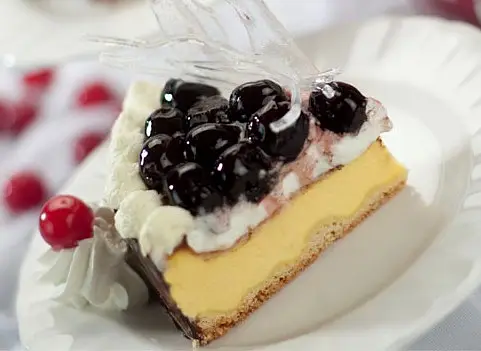
Italian Cheesecake with Toschi Amarena Cherries


A tasty cheesecake with famous Italian Toschi amarena cherries. The black amarena is a sweet fruit with a bitterish aftertaste. Fresh and summery, it is carefully stoned and sweetened and can be eaten all year round.

Jill's Baked Focaccia
Italian focaccia studded with olives, pine nuts, and roasted red peppers, finished with fresh basil and cracked pepper. A puffy, dimpled flatbread perfect for antipasto boards and sandwich bases.