508 pork rice recipes
 Recipe NOT List™ - disabled
A Vietnamese twist on meat sauce with ground pork, fresh tomatoes, fish sauce, lime, and serrano chilies served over steamed rice. Ready in 30 minutes flat.

Tender pork simmered in savory stir-fry marinade, wrapped in delicate rice paper with crisp lettuce, fresh herbs, and fragrant rice powder. Classic Vietnamese street food.

Braised Pork, served with bunya nut, Australian rice grass and dusted with Lemon Myrtle.
Traditional Cajun red beans and rice with salt pork, dried red kidney beans, and Italian seasoning. Boil the pork to remove salt, simmer beans with peppers and garlic for 3 hours until creamy. Serve over white rice.
Chinese food is usually associated with soy sauce, garlic and ginger. This is a classic Chinese stir-fry noodles, it is easy to make, and loaded with flavor.
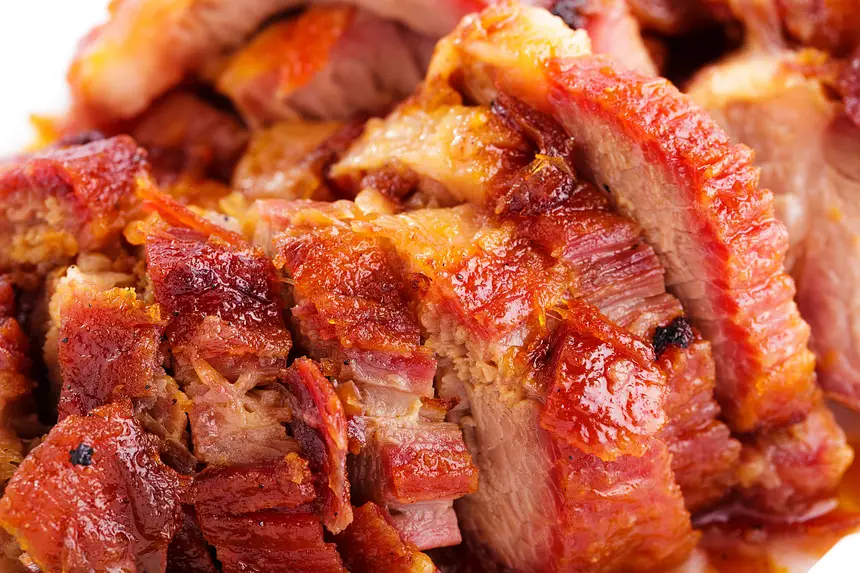
Cantonese barbecue pork (char siu): pork shoulder marinated in honey, hoisin, soy, and ginger, then roasted until glazed with sticky, caramelized edges. The glossy Chinatown classic, easily made gluten-free.
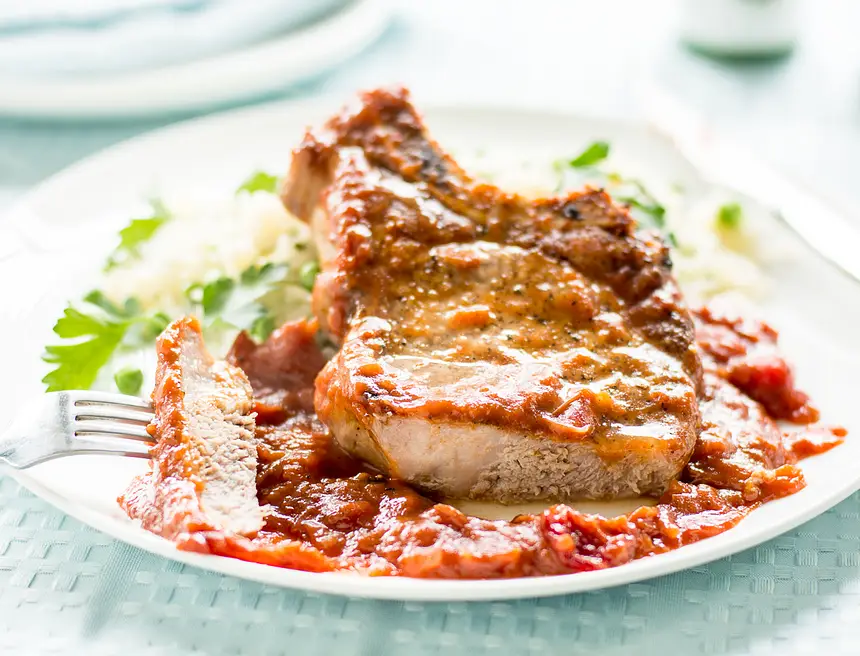
An easy rendition of a weekday ready pork chop dinner covered in a tangy cranberry and onion sauce.
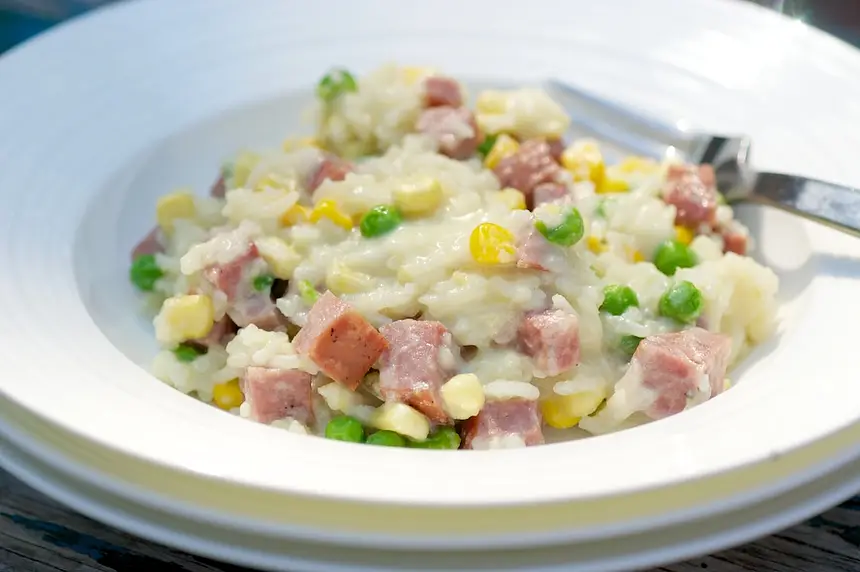
Kielbasa rice skillet dinner simmers Polish sausage with rice, cream of celery soup, peas, corn, and Monterey Jack into a one-pan creamy comfort meal that hits the table in well under an hour.
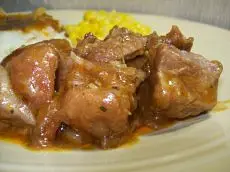
Slow roasted (in a slow cooker) pork ribs in golden mushroom soup.
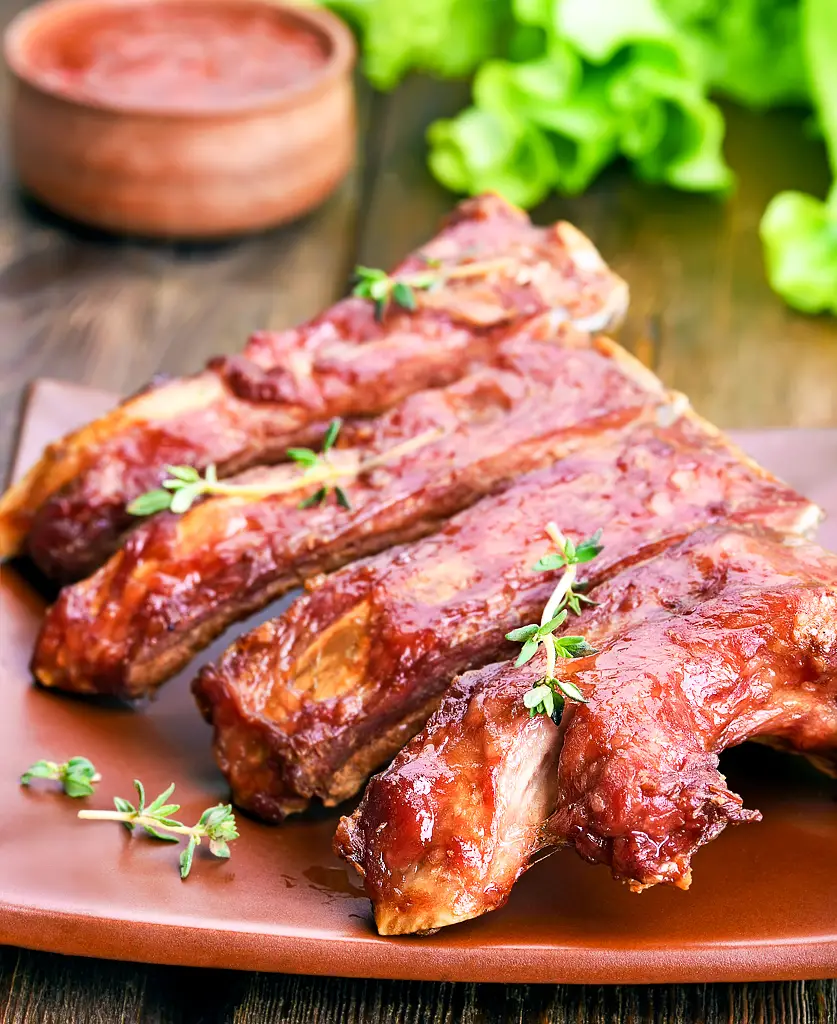
Easy grilled pork ribs; dry-rubbed with spices, slow-baked, and then finished on the grill with a vinegary basting sauce.
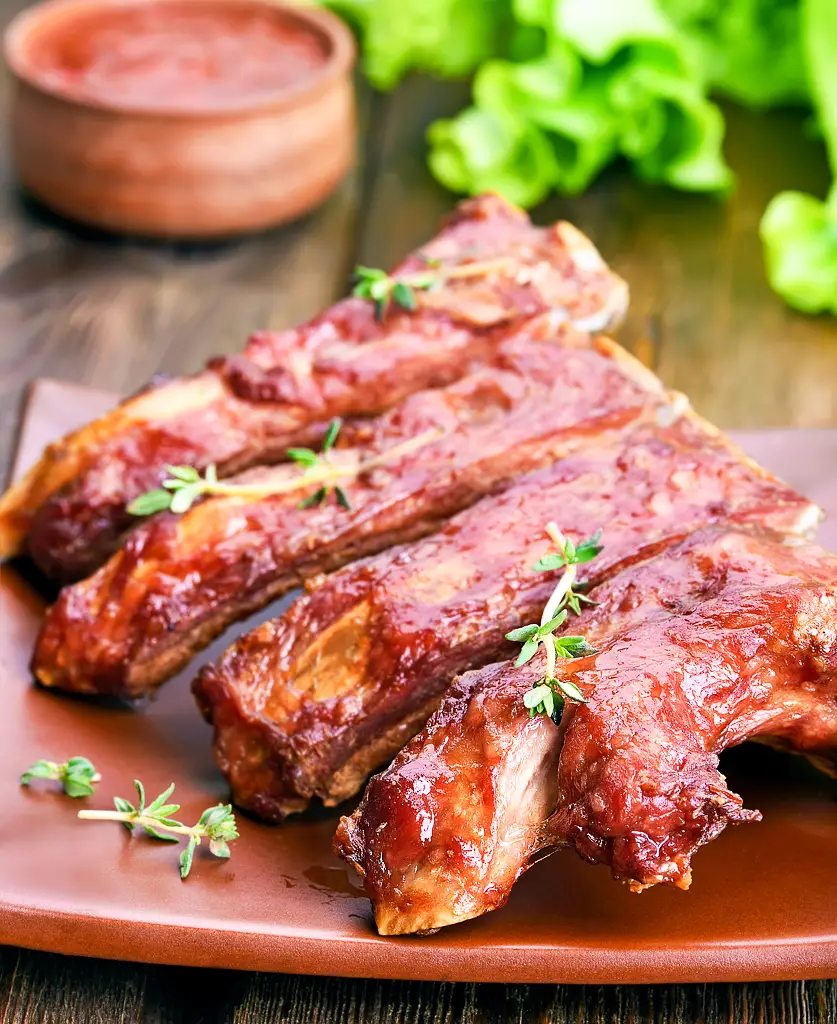
Barbecued country style pork ribs simmer first in lemon-onion water until tender, then grill over slow coals slathered in chili-spiked lemon BBQ sauce. Two-step technique guarantees fall-apart tender ribs with no leathery edges.
An easy no fuss soup for your crockpot or on the stovetop.
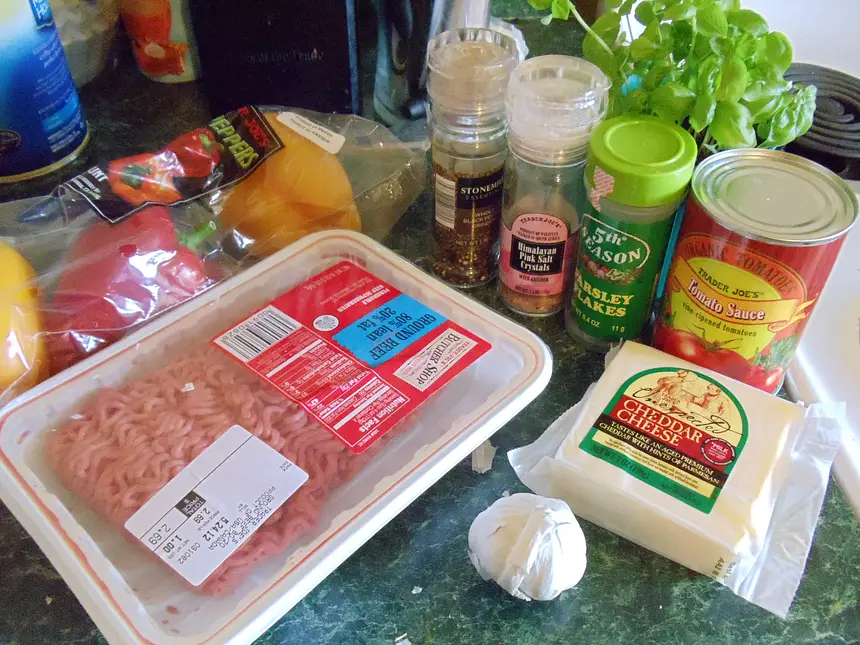
Stuffed peppers made with ginger rice, topped with aged sharp cheddar and tomato sauce.
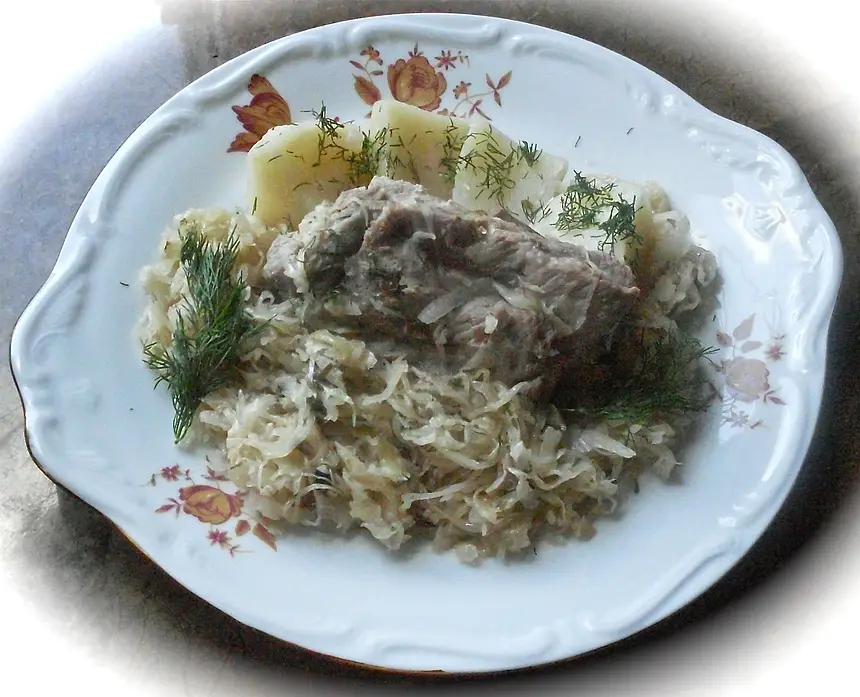
Nothing new under the sun, just my rendition of very popular dish in Eastern Europe, inspired by various cuisines of Carpathian Mountains. Cooked quite quick in a pressure cooker.
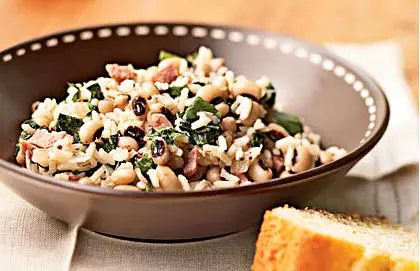
Along the coast of the Southern US eating Hoppin' John on New Year's Day is thought to bring a year filled with luck and prosperity. The beans symbolize coins or pennies. Sometimes a penny is added to the pot or can be left under the bowls of Hoppin' John. Greens such as Collards, chard or kale can be added and symbolize the color of money and are said to add to ones wealth in the new year. The day after New Year's Day the leftovers are called "Skippin' Jenny," and further demonstrates one's frugality. A common tradition in the south US is each person at the meal should leave three peas on their plate to ensure the New Year will be filled with Luck, Fortune and Romance. Another tradition holds that counting the number of peas in a serving predicts the amount of luck (or wealth) that will be collected over the next year.
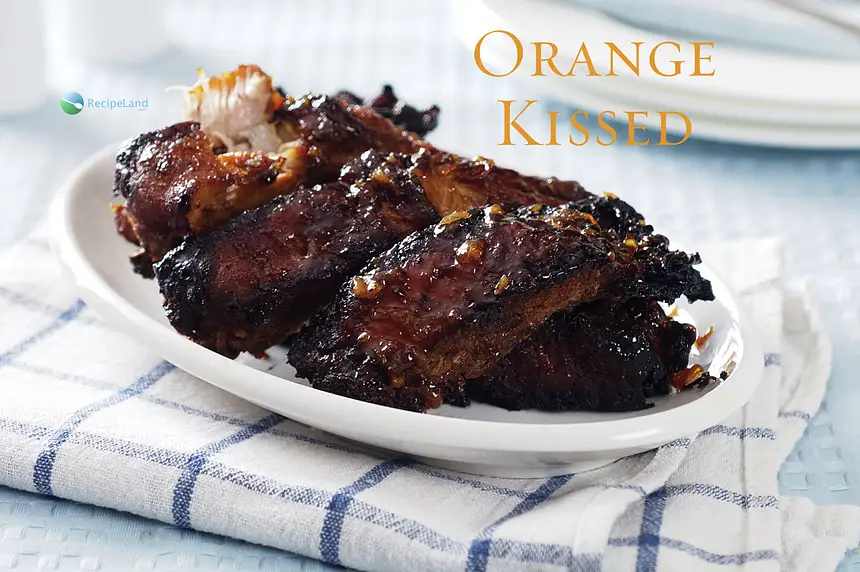
Side ribs are cheaper than back ribs - there is lots of bone, but you can still get nice portions of meat.
Showing 17 - 32 of 508 recipes