What Is Cream of tartar and How Can I Use It?
If cream of tartar has turned up in a recipe or caught your eye at the store, here's what you need to use it with confidence and how to choose it, cook it, store it, what to substitute, and 490 recipes to try it in.
Key Points
- Cream of tartar stabilizes egg whites into stiff peaks and prevents sugar from crystallizing into gritty chunks.
- You will find it in the spice aisle as a fine white powder that lasts two to three years on the shelf.
- Lemon juice or vinegar works in a pinch for egg whites, but you cannot replace it in recipes that need it with baking soda.
What is cream of tartar?
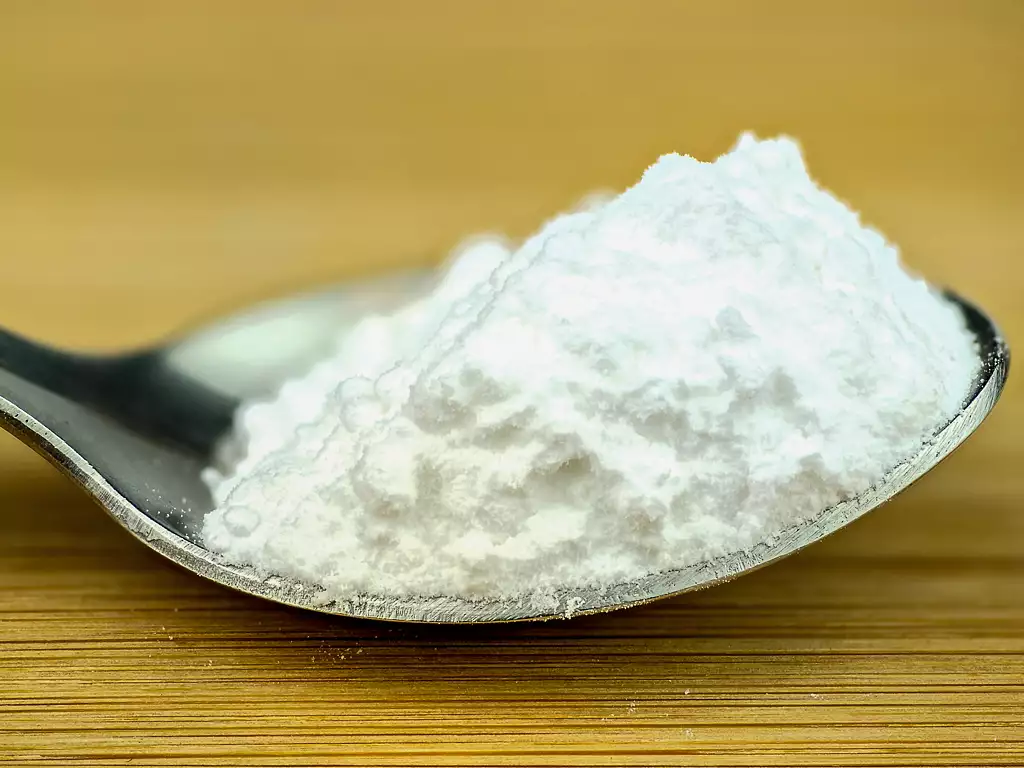
Cream of tartar is the acid left over when wine gets made. It is a fine white powder that dissolves in water and carries a sharp tang.
Anyone who has ever burned their tongue on raw baking soda already knows this from accidental spoon-licks. Chemists call it potassium bitartrate. Home cooks call it the one thing that makes egg whites actually do anything useful.
You will find it in the spice aisle, squeezed between pumpkin pie spice and vanilla extract. The little jars last a good two to three years on the shelf.
The powder does tend to cake at the bottom if you live somewhere humid. A quick stir with a fork breaks the clumps and it works fine. No refrigeration needed.
The only real failure mode is leaving the lid off. Moisture from the air turns the powder into a brick. You can spend ten minutes trying to smash through it with a knife.
Cooking With Cream of Tartar
Most people only ever use it for one thing: stabilizing egg whites. When you whisk egg whites, the proteins unwind and trap air.
Cream of tartar lowers the pH just enough to strengthen that protein network. The foam holds its shape through the oven.
Add a quarter teaspoon for every three egg whites. The peaks stay glossy and stiff instead of collapsing into watery sadness fifteen minutes in.
I started using cream of tartar in simple sugar syrups after a batch of lemonade turned out flat. A quarter teaspoon dissolved into the hot syrup before the lemon juice. This kept the sugar from crystallizing back into gritty chunks.
It works the same way in fondant and homemade marshmallows. The acid interferes with sugar crystals forming. That means smoother texture and less chance of your candy seizing on the stove.
Here is a trick most people miss. Cast iron can leave a metallic taste in acidic dishes like tomato sauce.
A pinch of cream of tartar in the cooking water while you season the pan helps neutralize the iron taste. I learned that from a forum years ago.
It is not a substitute for proper seasoning. It works as an emergency fix when you are cooking for a group.
Do not add cream of tartar to cookie dough expecting leavening magic. It needs baking soda to react. By itself it does nothing for rise.
If your recipe calls for baking powder, that already contains the acid it needs. Only reach for the jar when the recipe specifically asks for it or when you are working with egg whites.
What Goes With Cream of Tartar
Cream of tartar does not add flavor in any obvious way. You will not taste it the way you taste salt or vinegar. Its job is chemical, not flavor-based. It changes what happens when other ingredients interact with each other.
It works with anything that uses egg whites. Meringues, soufflés, macarons, Angel food cake, pavlova, lemon meringue pie. If egg whites are involved and stability matters, cream of tartar belongs in the bowl.
Sugar work and syrup benefit from it too. Marshmallows, fudge, caramel, simple syrups for cocktails and lemonade. The acid prevents crystallization, which means smooth textures instead of grainy ones.
I keep a small jar in the pantry specifically for homemade marshmallow fluff. When the batch turns grainy, that quarter teaspoon fixes it every time.
Do not add it to recipes that rely on baking powder alone. Baking powder already has its own acid. Over-acidifying the batter leaves a metallic aftertaste. You will ruin otherwise decent biscuits or muffins.
Swaps for Cream of Tartar
You cannot replicate everything cream of tartar does with a single substitute. It depends on why you need it.
If you are stabilizing egg whites, lemon juice or white vinegar works in a pinch. Use about three times the amount. One teaspoon of lemon juice for every quarter teaspoon of cream of tartar.
The foam will not be quite as stable. The lemon flavor will come through faintly in delicate meringues. Chocolate mousse does not care about the flavor.
If you are preventing sugar crystallization in syrup, citric acid powder is the closest match. You will find it in the canning aisle at most grocery stores. Use half the amount by weight.
Lemon juice again works but changes the flavor profile of whatever you are sweetening. This is fine for syrups that already have a strong flavor.
If your recipe calls for cream of tartar plus baking soda, swap the pair for baking powder. One teaspoon of baking powder replaces a quarter teaspoon of cream of tartar plus a quarter teaspoon of baking soda.
This works for cookies and quick breads. Baking powder does nothing for egg white recipes though. It does nothing for foam stability.
There is no vegetarian or vegan alternative because cream of tartar is a byproduct of wine production. It comes from the crystalline sludge on the inside of wine barrels. Some wines are cold-stabilized to prevent crystals in the bottle.
That sludge is harvested, dried, and ground. It is naturally vegan, actually. Nobody mentions it because nobody checks.
Storing Cream of Tartar
Keep the jar tightly closed in a cool, dry place. The pantry is fine. The bathroom is not.
Humidity will turn your powder into a concrete block within a few months. I learned that the hard way with a jar of cinnamon on the shower shelf.
The powder is good for two to three years past the date on the jar. It does not go bad in the food-safety sense. It just loses some of its reactivity over time.
If your meringues are not holding peaks like they used to, test the powder. Add it to a spoonful of baking soda and wet it. If it fizzes vigorously, it still has life. If it barely bubbles, replace the jar.
You can scoop it with a regular dry measuring spoon. No need to pack it or level it. The texture is fine enough that a half-teaspoon leveled with a knife is accurate enough for home use.
I know professionals who weigh everything for baking precision. Cream of tartar is one of those ingredients where a little extra or a little short does not ruin a recipe. It is the baking equivalent of salt to taste.
Nutrition
Nutrition Facts
Serving Size 1 tsp (3g)Where found
Cream of tartar is usually found in the baking supplies section or aisle of the grocery store or supermarket.
Food group
Cream of tartar is a member of the Baked Products US Department of Agriculture nutritional food group.
How much does cream of tartar weigh?
| Amount | Weight |
|---|---|
| 1 teaspoon | 3 grams |
| ½ teaspoon | 1 grams |
Related
Baked Products
- In Chinese:
- 酒石
- British (UK) term:
- Cream of tartar
- en français:
- crème de tartre
- en español:
- cremor tártaro
Recipes using cream of tartar
There are 490 recipes that contain this ingredient.
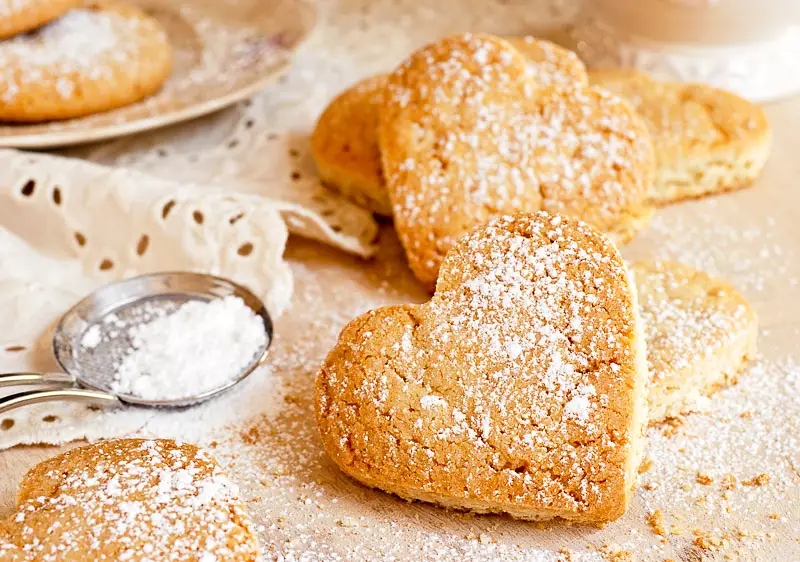
Best Sugar Cookies


Powdered sugar cut-out cookies stay tender and soft, perfect for decorating. Almond and vanilla extracts give these holiday classics a complex, bakery-style flavor that beats other sugar cookies.

Cute Sugar Cookies

Cut-out sugar cookies made with powdered sugar and egg whites for ultra-tender, snowy-white cookies that hold their shape under cookie cutters. Perfect for holiday decorating with frosting or colored sugar.
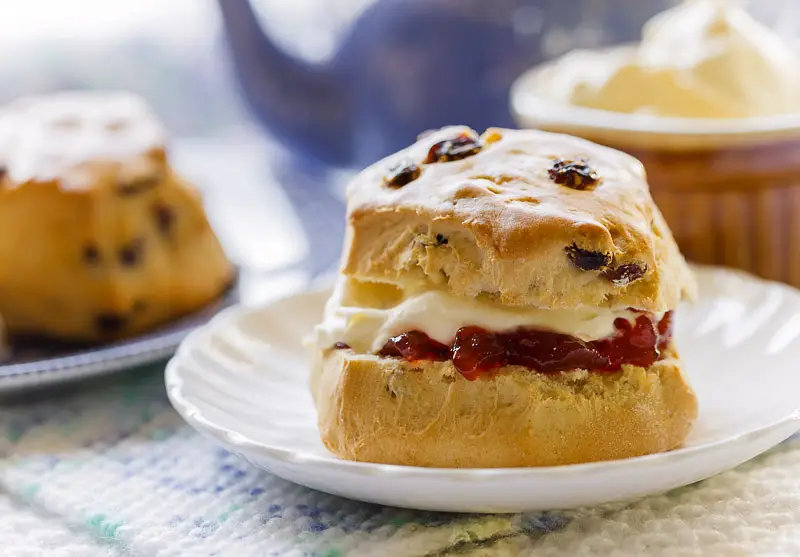
Classic Biscuits
Classic biscuits made with cold butter cut into the flour for flaky, tender layers and a tall rise. Cream of tartar lends a subtle tang. Roll and cut, or drop by the spoonful for rustic drop biscuits.
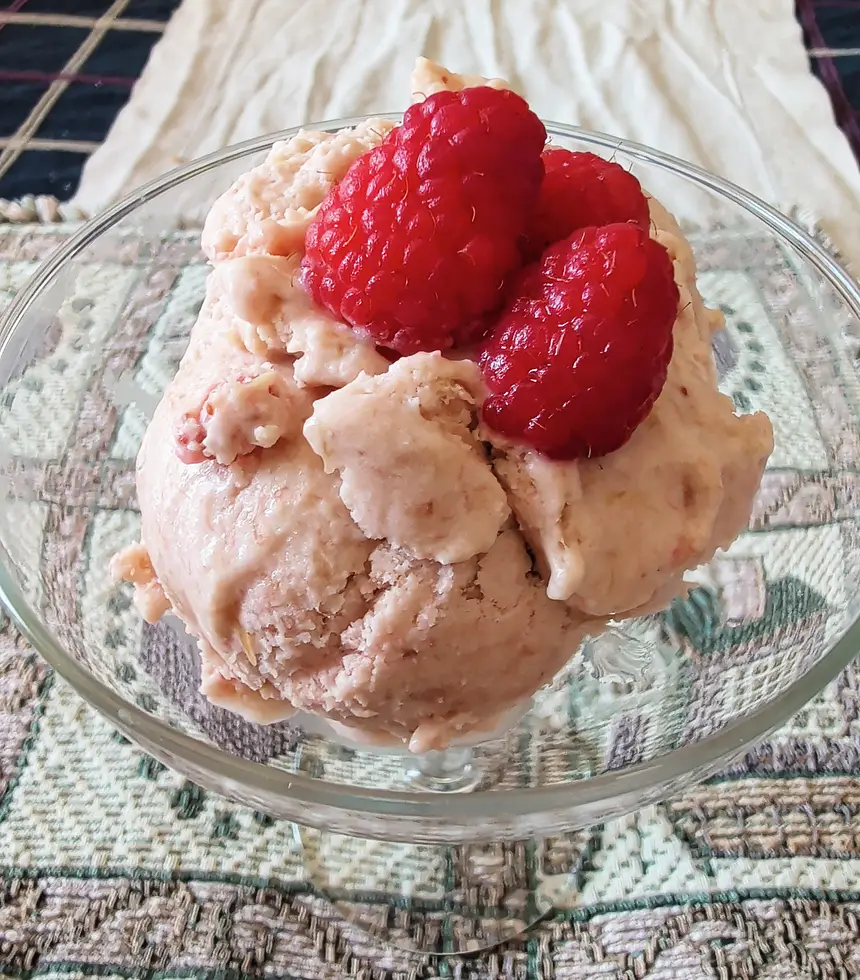
Rhubarb Mousse
Frozen rhubarb mousse: tart rhubarb puree folded into Italian meringue and whipped cream with a splash of raspberry liqueur. Light, airy spring dessert that scoops like ice cream.
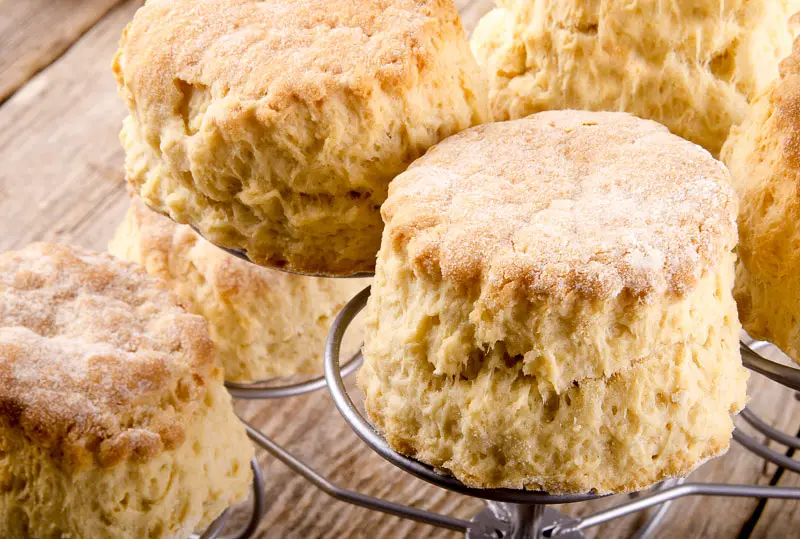
Cold Lunch Biscuits
Cold lunch biscuits are sturdy, lightly sweetened lunchbox biscuits made with milk, shortening, and a stiff flour dough. Bake them once and they keep for weeks in a tin.
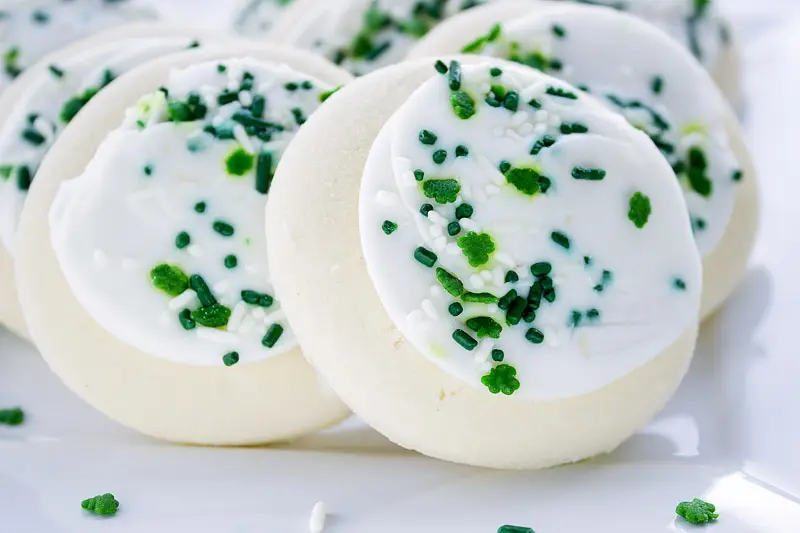
Em's Sugar Cookies
Sugar cookies with a half-shortening half-butter base for crisp edges and tender centers. Pressed flat with a sugar-dipped glass, baked 8 minutes, ready to ice and decorate.
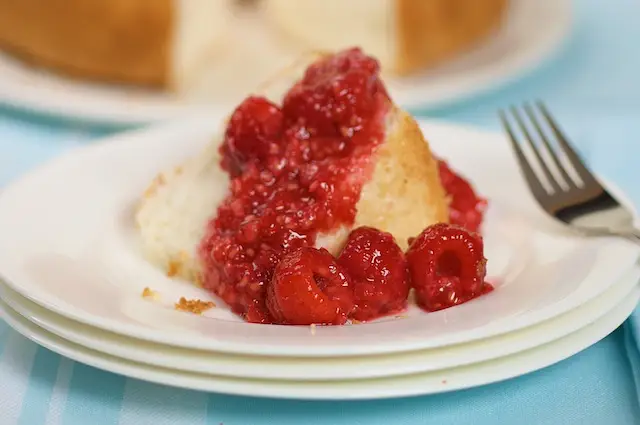
Angel Food Cake & Raspberries
Classic fluffy and light Angel Food Cake topped with juicy raspberries.
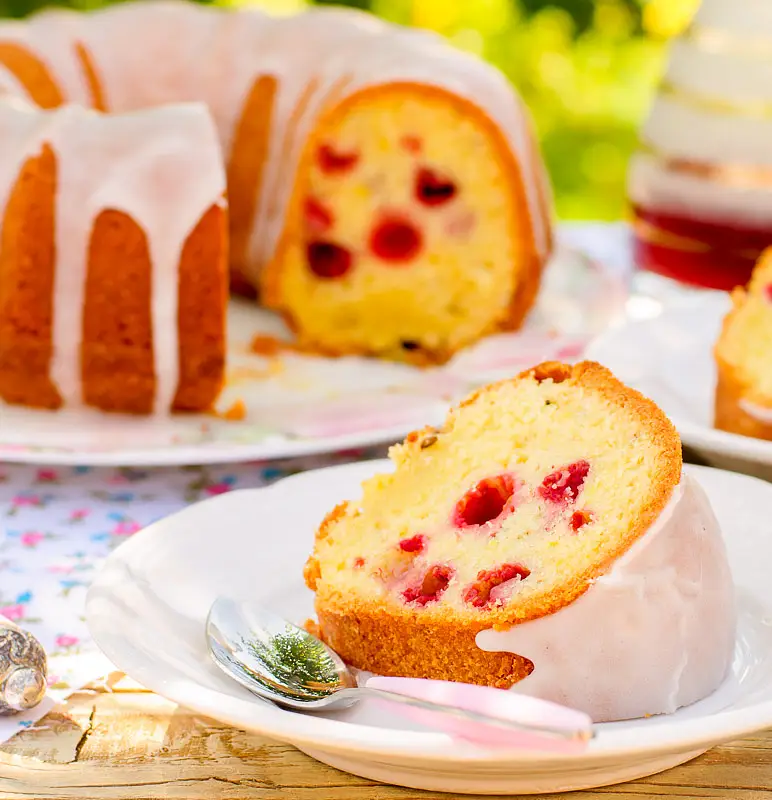
Berry Almond Bundt Cake
Cranberry almond bundt cake with cornmeal and applesauce. A dairy-free leaning bundt with tart cranberries, ground almonds, and a soft golden crumb. Drizzle with glaze or dust with powdered sugar.

Decorated Sugar Cookies
Decorated sugar cookies use powdered sugar and a touch of almond extract for tender, rollable dough that holds intricate cookie cutter shapes. The classic Christmas cookie recipe.
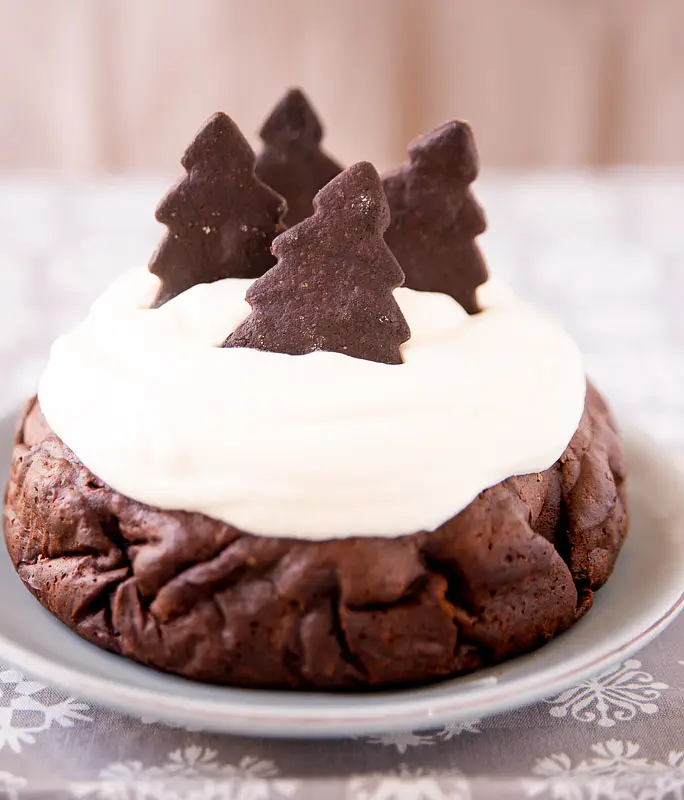
Gluten Free Chocolate Cake
Gluten free chocolate cake with a light, airy crumb built from whipped eggs, melted semisweet chocolate, cornstarch and ground amaretti instead of flour. Spiked with dark rum and rich without being dense.
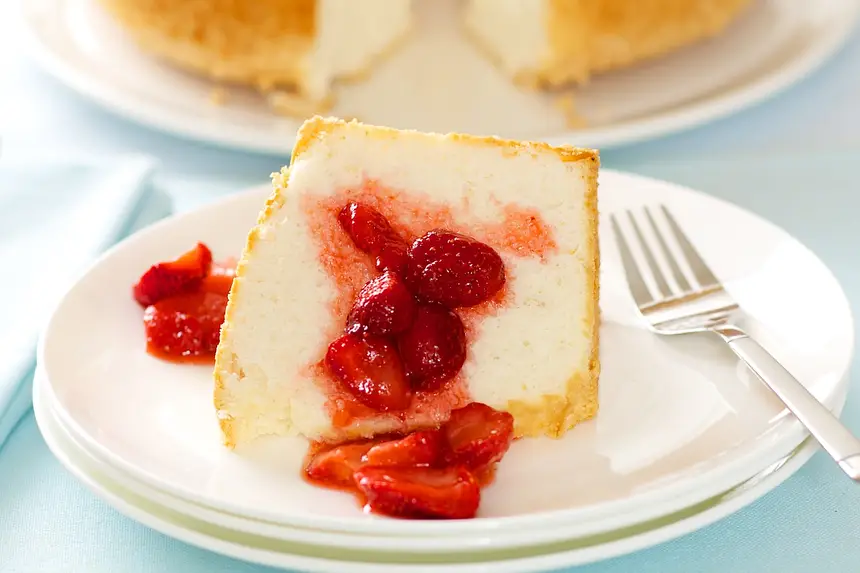
Angel Food Cake with Whipped Cream & Fresh Berries
Light and as fluffy as a feather. This version is served with whipped cream and fresh berries.
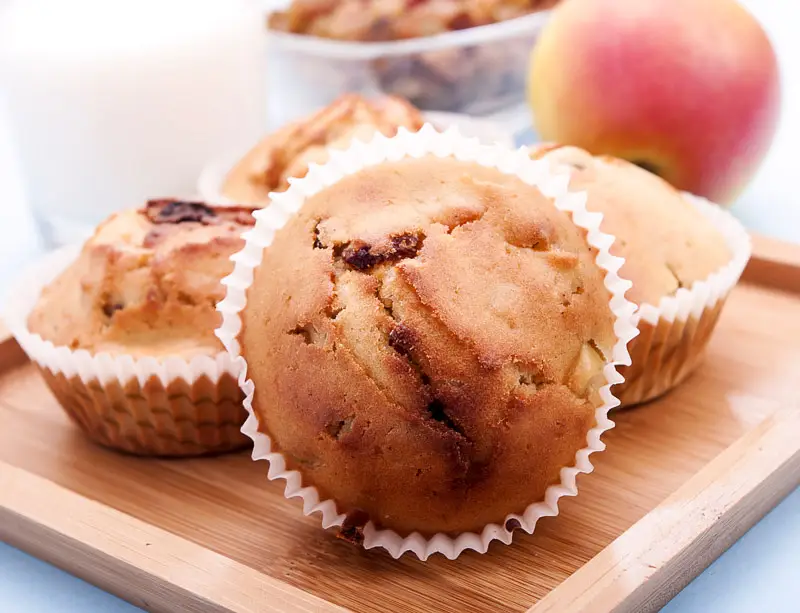
Breakfast Apple Orange Spice Muffins
Spiced apple-orange muffins with grated fresh fruit and warm spices. Light texture from folded egg whites. Optional raisins for extra sweetness.
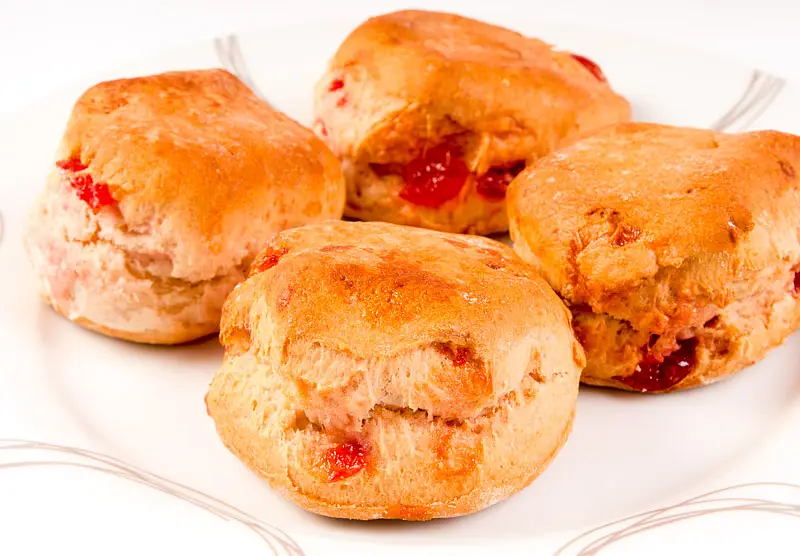
Buttermilk Breakfast Biscuits
Buttermilk breakfast biscuits cut into wedges, brushed with milk, and dusted with sugar before baking. A scone-style sweet biscuit with tender flaky layers and a lightly crisp golden top.
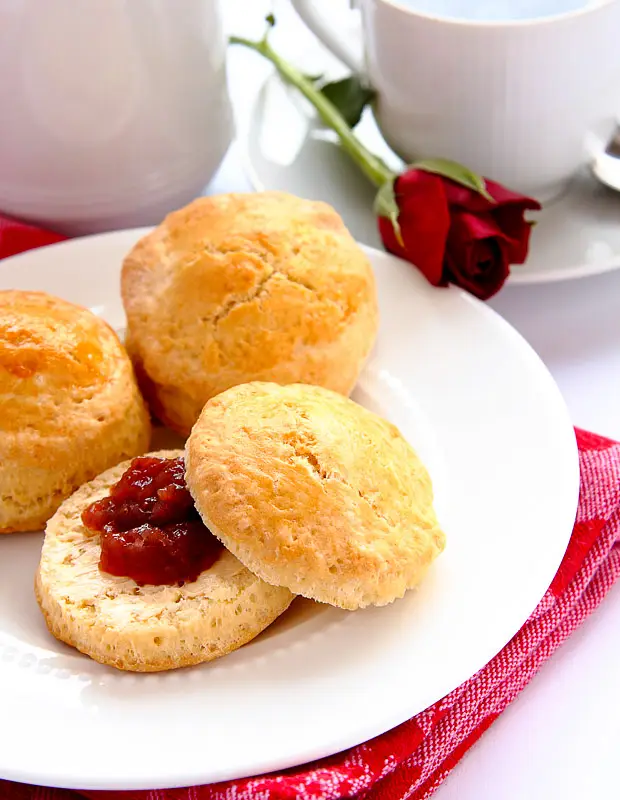
Honey & Cream Scones
Honey and cream griddle scones, an old-fashioned Welsh-style bakestone scone cooked on the stovetop, not baked. Whole wheat dough sweetened with honey and made tender with sour cream.
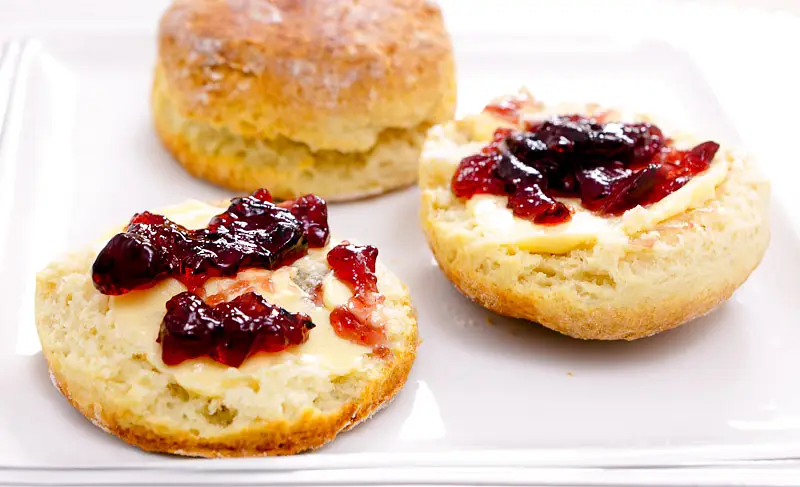
Best Cream Biscuits
Easy cream biscuits with butter, heavy cream, and a cream-of-tartar leavening. Tender, flaky biscuits ready in 45 minutes; serve with butter, whipped cream, or jam.

Star Sugar Cookies
Star sugar cookies with butter, both granulated and powdered sugar, plus cream of tartar for that signature soft chew. Roll, cut, and decorate or bake as flattened balls.
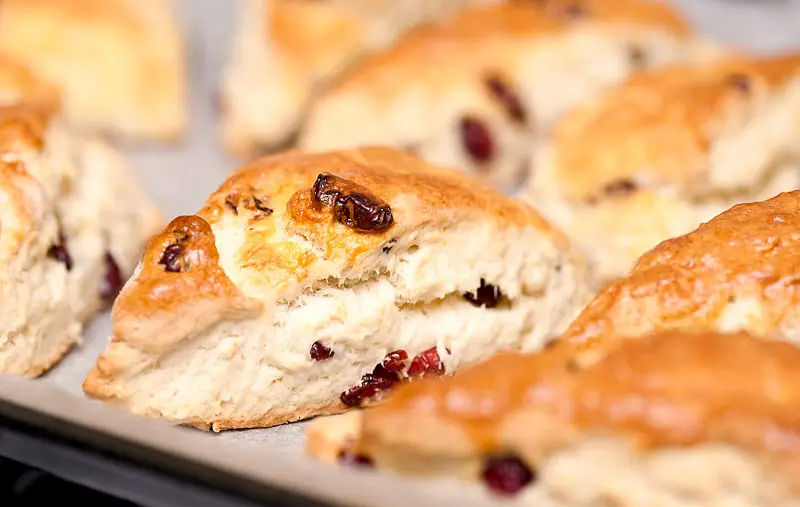
Breakfast Cranberry Orange Scones
Not too sweet, these scones are perfect to enjoy with a cup of warm tea!
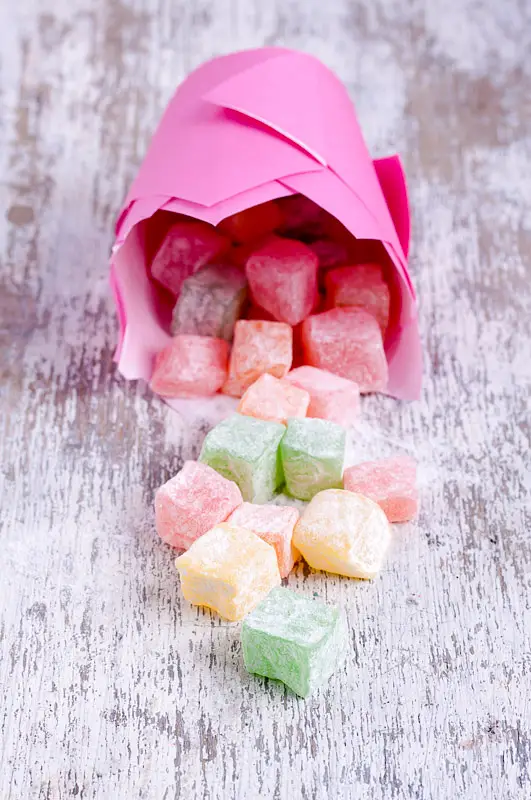
Grandma's Turkish Delight
Silky rose-scented candy squares dusted in powdered sugar, made with cornstarch and cream of tartar. Customize with pistachios, almonds, or fruit flavors for an authentic Middle Eastern sweet.
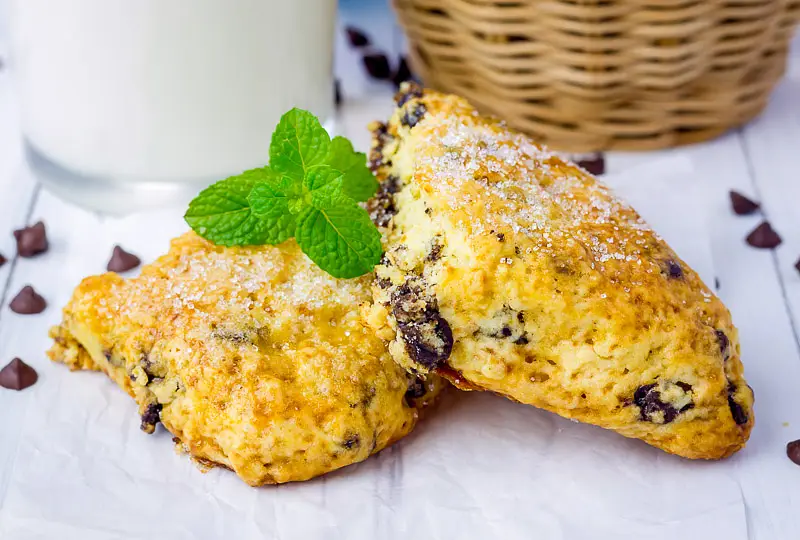
Cinnamon Chocolate Chip Scones
These scones are an excellent treat alongside of a steaming cup of coffee for breakfast, brunch, or dessert!
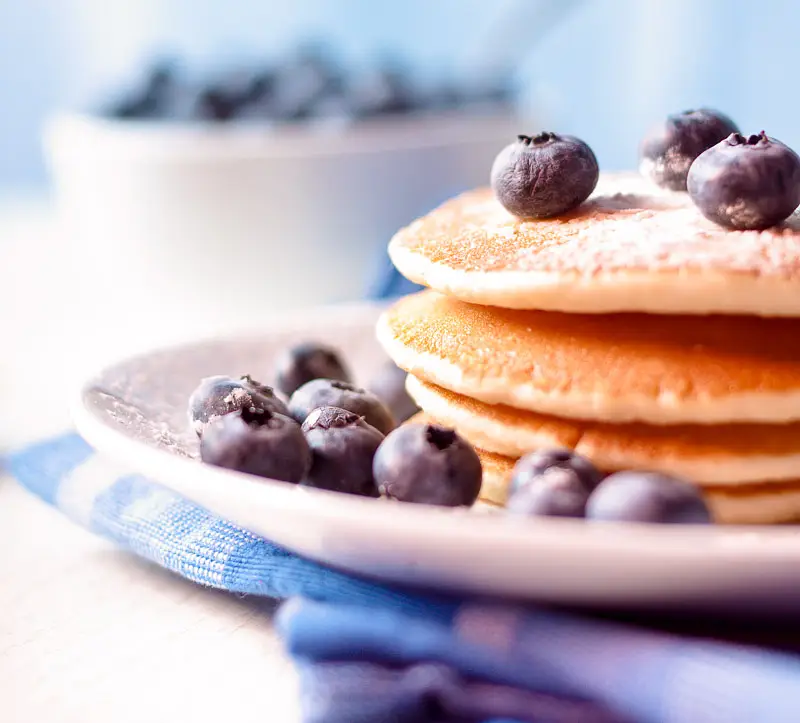
Breakfast Scotch Pancakes
Scotch pancakes are small, thick griddle cakes leavened with cream of tartar and baking soda for an old-fashioned tangy lift. Cook on a hot griddle, serve warm with berries and syrup.
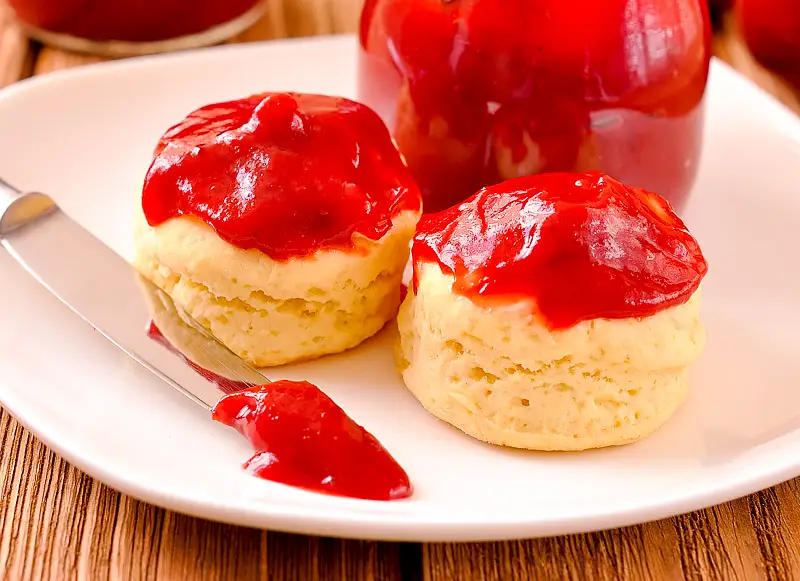
Irish Soda Scones
Traditional Irish soda scones made with buttermilk, baking soda, and cream of tartar. Tender, biscuit-style scones with a soft crumb, ready in under 40 minutes. No yeast needed.
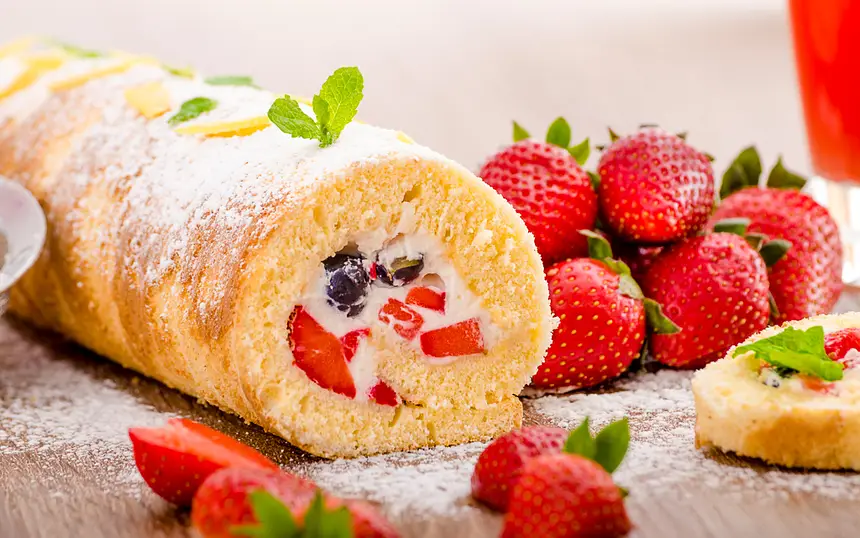
Strawberries 'N Cream Cake Roll
A light sponge cake rolled around sugared fresh strawberries and billowy whipped cream. Looks like it came from a French patisserie, but you made it in your own kitchen.
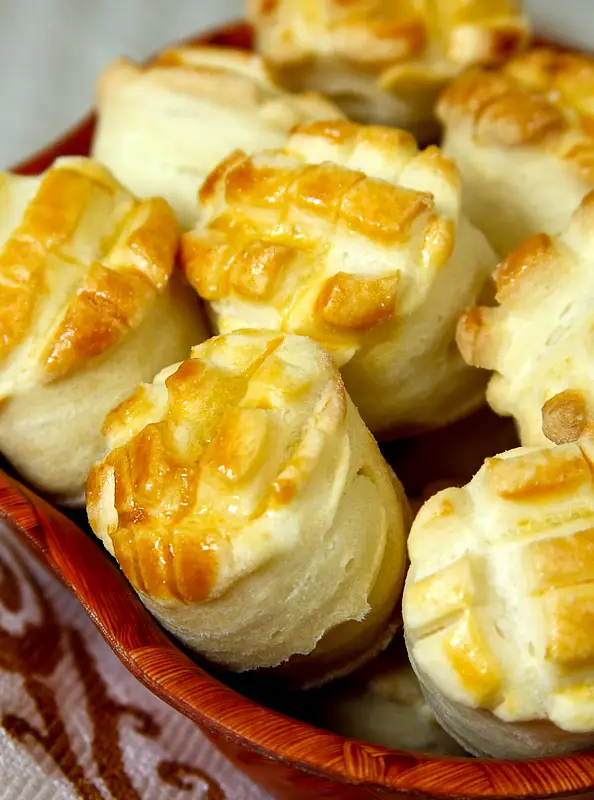
Golden Buttermilk Biscuits
Golden buttermilk biscuits use shortening and tangy buttermilk for sky-high layers and a tender crumb, with cream of tartar doubling down on the lift. Old-school camp-style biscuits that bake up golden in just 10 minutes.
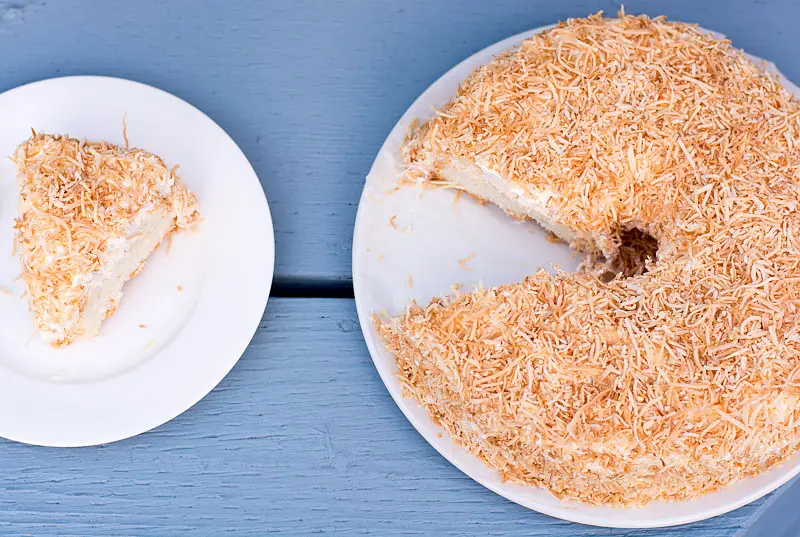
Coconut Angel Food Cake
Coconut angel food cake folds shredded coconut into a fat-free egg-white batter, then frosts the cooled tube cake in seven-minute orange frosting and toasted coconut.
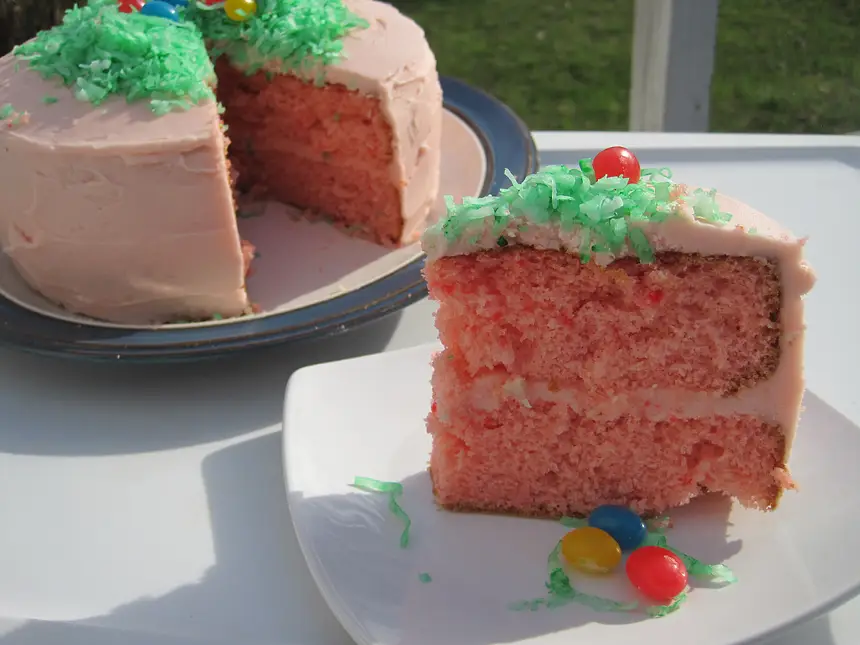
Easter Party Cake
I added some pureed strawberries and a couple of drops of red food coloring to make the cake pink.